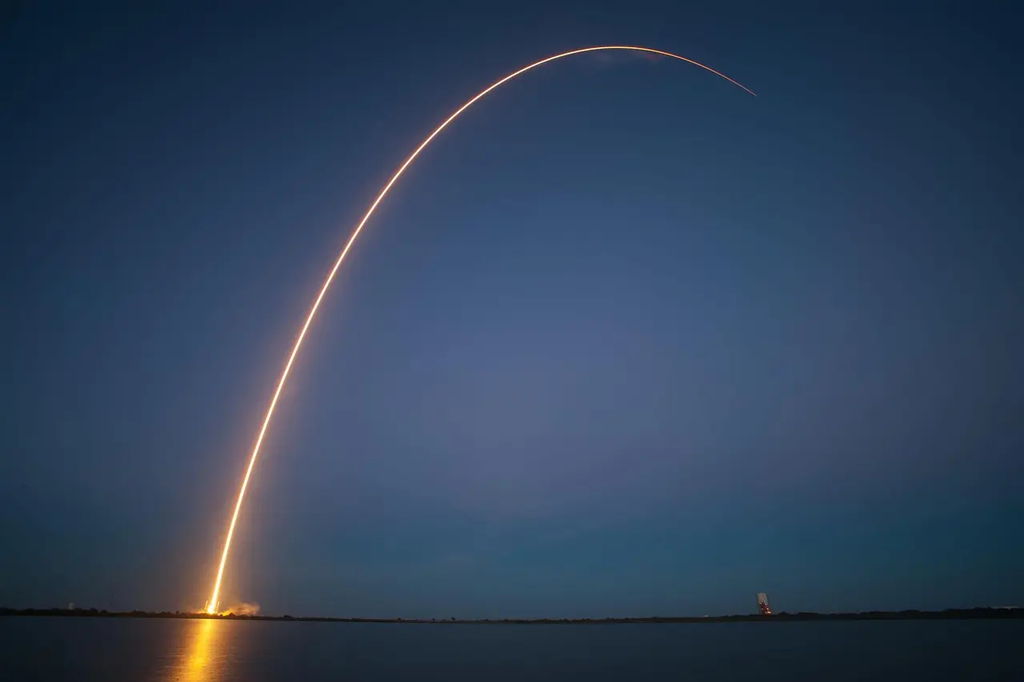
Rocket launch systems are complex assemblies designed to propel rockets into space. They typically include the launch vehicle, launch pad, fueling infrastructure, and support equipment. These systems manage the safe ignition, guidance, and ascent of rockets, overcoming Earth's gravity to deliver payloads such as satellites or crewed spacecraft into orbit. Advanced technologies ensure precise timing, stability, and safety throughout the launch process, making them essential for space exploration and satellite deployment.
Rocket Launch Systems
Rocket launch systems are complex assemblies designed to propel rockets into space. They typically include the launch vehicle, launch pad, fueling infrastructure, and support equipment. These systems manage the safe ignition, guidance, and ascent of rockets, overcoming Earth's gravity to deliver payloads such as satellites or crewed spacecraft into orbit. Advanced technologies ensure precise timing, stability, and safety throughout the launch process, making them essential for space exploration and satellite deployment.
💡 Key Takeaways
- Identify the main components of a rocket launch system and their roles (launch vehicle, launch pad, fueling infrastructure, and ground support equipment).
- Describe how ignition, guidance, and ascent are coordinated to safely reach space.
- Understand fueling and ground support processes, including safety considerations during pre-launch activities.
- Explain how launch systems overcome Earth's gravity to deliver payloads to orbit.
❓ Frequently Asked Questions
What is a rocket launch system?
A set of facilities, vehicles, and equipment that prepare, ignite, and launch a rocket, including the launch vehicle, pad, fueling, and ground support.
What components are typically included in a rocket launch system?
The launch vehicle, launch pad, fueling infrastructure, ground support equipment, and control/communication and safety systems.
What is the role of the fueling infrastructure?
To store and safely deliver propellants to the rocket, managing pressure, temperature, and sequencing before liftoff.
What is the payload in a rocket launch?
The cargo the rocket is designed to deliver to space, such as satellites, probes, or experiments.
How do ignition and ascent work in a launch?
Ignition starts thrust; guidance and control systems steer the rocket during ascent to reach the desired trajectory while overcoming gravity.