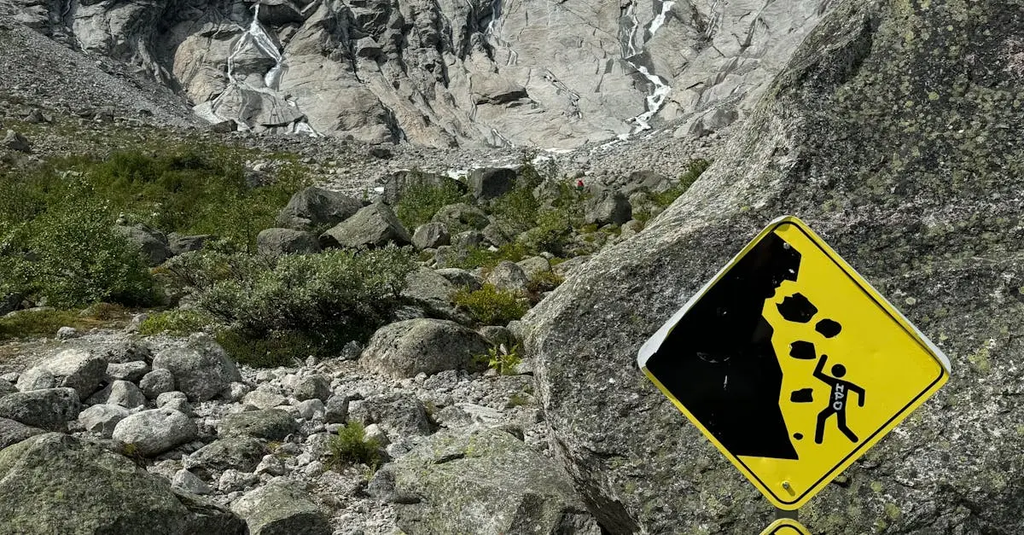
Rockfall and objective hazards refer to the natural dangers present in mountainous or steep terrain, particularly in climbing and mountaineering. Rockfall involves rocks or debris falling from above, often unpredictably, due to weather, erosion, or human activity. Objective hazards are risks inherent to the environment, such as avalanches, crevasses, or unstable terrain, and are not caused by human error. Both require awareness and precaution to minimize accidents.
Rockfall and Objective Hazards
Rockfall and objective hazards refer to the natural dangers present in mountainous or steep terrain, particularly in climbing and mountaineering. Rockfall involves rocks or debris falling from above, often unpredictably, due to weather, erosion, or human activity. Objective hazards are risks inherent to the environment, such as avalanches, crevasses, or unstable terrain, and are not caused by human error. Both require awareness and precaution to minimize accidents.
💡 Key Takeaways
- Define rockfall and objective hazards and explain why they matter in climbing and mountaineering.
- Identify typical causes of rockfall (weathering, erosion, freeze–thaw cycles, and human activity) and common terrain indicators.
- Assess risk on a route by evaluating terrain features, recent rockfall signs, and potential rockfall runout zones.
- Apply safety measures to reduce exposure to rockfall, including helmet use, staying spaced, careful route selection, and emergency planning.
❓ Frequently Asked Questions
What is rockfall?
Rockfall is the sudden downward movement of rock and debris from a cliff or slope, often caused by weathering, freeze–thaw cycles, or disturbance.
What are objective hazards in adventure activities?
Objective hazards are environmental risks inherent to the terrain, such as rockfall, avalanches, crevasses, and unstable ground, not caused by a climber's actions.
How can you reduce the risk of rockfall on a route?
Choose routes with stable rock, avoid loose blocks, wear a helmet, and keep a safe distance from faces and potential rock sources.
What should you do if you hear rockfall or see debris above you?
Move to cover if possible, shelter behind a solid barrier, and reassess your route to avoid the area.