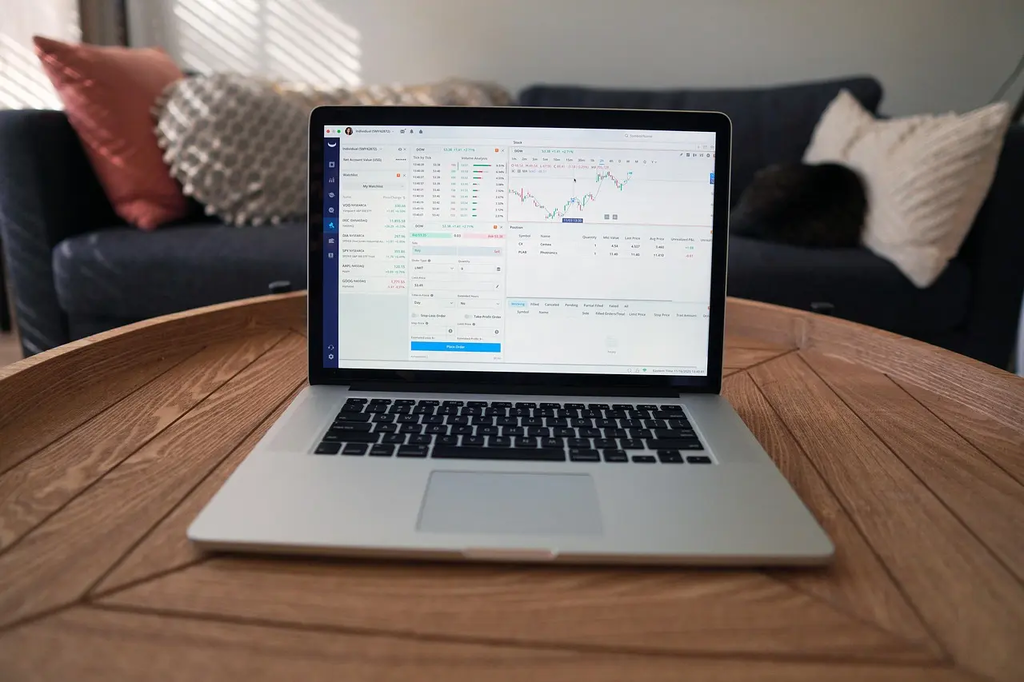
Brokers in US stock markets act as intermediaries between investors and stock exchanges, facilitating the buying and selling of securities. They execute trades on behalf of clients, provide market information, and offer investment advice. Brokers ensure regulatory compliance and may offer additional services such as portfolio management and research. Their expertise and access to trading platforms make it easier for individuals and institutions to participate efficiently and securely in the stock market.
Role of Brokers in Stock Trading+50
Brokers in US stock markets act as intermediaries between investors and stock exchanges, facilitating the buying and selling of securities. They execute trades on behalf of clients, provide market information, and offer investment advice. Brokers ensure regulatory compliance and may offer additional services such as portfolio management and research. Their expertise and access to trading platforms make it easier for individuals and institutions to participate efficiently and securely in the stock market.

💡 Key Takeaways
- Understand the core role of a stock broker in executing trades and enabling access to financial markets.
- Compare full-service brokers with discount/online brokers and the typical services each offers.
- Learn how brokers charge for their services (commissions, fees) and how these costs affect trading profitability.
- Explore common order types (market, limit, stop) and how brokers execute them to place your trades.
❓ Frequently Asked Questions
What is a broker in stock trading?
An intermediary who places buy and sell orders for clients, connects them to stock exchanges, and may provide tools, research, and guidance depending on the service level.
What’s the difference between a full-service broker and a discount broker?
Full-service brokers offer personalized advice, research, and portfolio management with higher fees; discount brokers focus on trade execution at lower costs with limited or no advisory services.
How do brokers earn money?
They charge commissions or per-trade fees, account or inactivity fees, and may earn revenue from margin lending, order routing, or data sales; some offer zero-commission trades but monetize elsewhere.
What is a margin account?
A margin account lets you borrow money from the broker to buy more securities, using your holdings as collateral; it can amplify gains and losses and requires paying interest and meeting maintenance requirements.