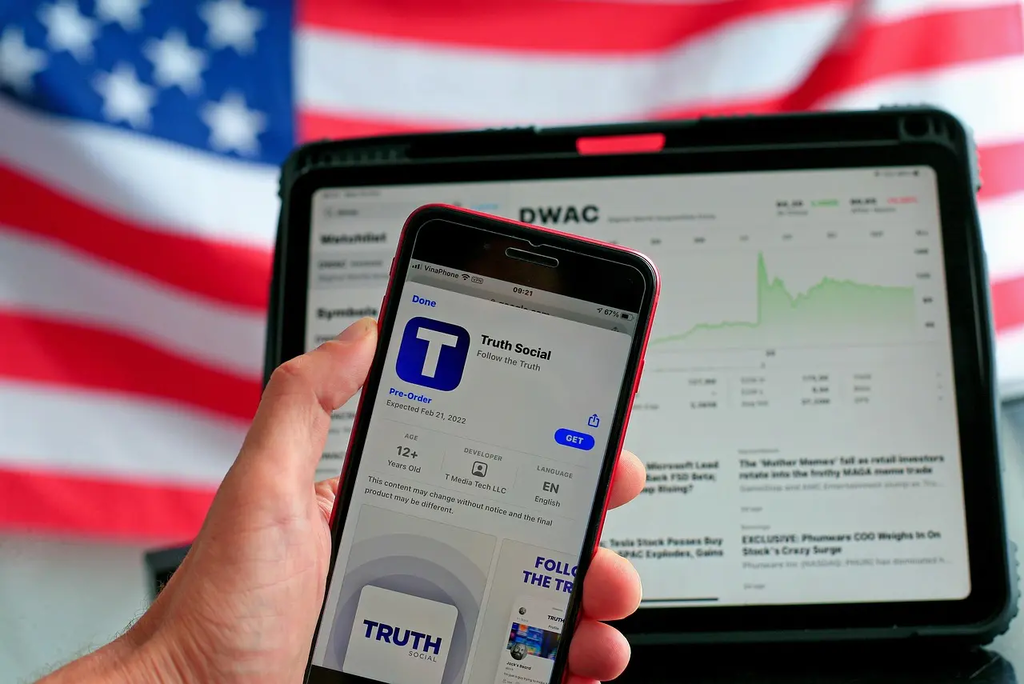
Venture capital plays a crucial role in the US stock markets by providing early-stage funding to innovative startups, helping them grow and develop into successful companies. As these companies mature, many eventually go public through initial public offerings (IPOs), contributing to the dynamism and expansion of the stock market. Venture capital thus fosters entrepreneurship, drives technological advancements, and introduces new investment opportunities for public market participants.
Role of Venture Capital in Stock Markets
Venture capital plays a crucial role in the US stock markets by providing early-stage funding to innovative startups, helping them grow and develop into successful companies. As these companies mature, many eventually go public through initial public offerings (IPOs), contributing to the dynamism and expansion of the stock market. Venture capital thus fosters entrepreneurship, drives technological advancements, and introduces new investment opportunities for public market participants.

💡 Key Takeaways
- Understand how venture capital funding fuels innovation and can shape stock-market dynamics.
- Learn how VC-backed startups reach exits (IPOs, acquisitions) and how these exits affect valuations and liquidity.
- Differentiate venture capital from traditional public-market investing and understand governance implications.
- Recognize how VC investment cycles influence risk, growth, and sentiment in stock markets.
❓ Frequently Asked Questions
What is venture capital and its basic role in stock markets?
Venture capital funds invest in early-stage startups in exchange for equity. They help these companies grow and typically exit via IPOs or acquisitions, introducing new participants to public markets and shaping innovation-driven stock activity.
What is an IPO and how do venture capitalists benefit from it?
An IPO is when a private company sells shares to the public for the first time. Venture capitalists usually realize gains by selling part or all of their stake during or after the IPO, gaining liquidity and a return on investment.
How does venture capital influence stock market valuations?
VC-backed firms often carry high growth expectations, which can lead to strong pre-IPO valuations. When they go public, their performance can affect sector benchmarks and market sentiment, sometimes fueling volatility.
What are the risks of venture capital investing compared with public stock investing?
VC investments are illiquid with long horizons and high failure rates, making returns uncertain. Public stocks offer liquidity and transparent pricing, while VC exits depend on successful scaling or acquisition.
How do venture capital firms prepare a company for an IPO?
They provide capital, governance, and strategic guidance; help build a scalable team, robust financial reporting, and regulatory readiness; and coordinate with underwriters to optimize the IPO process.