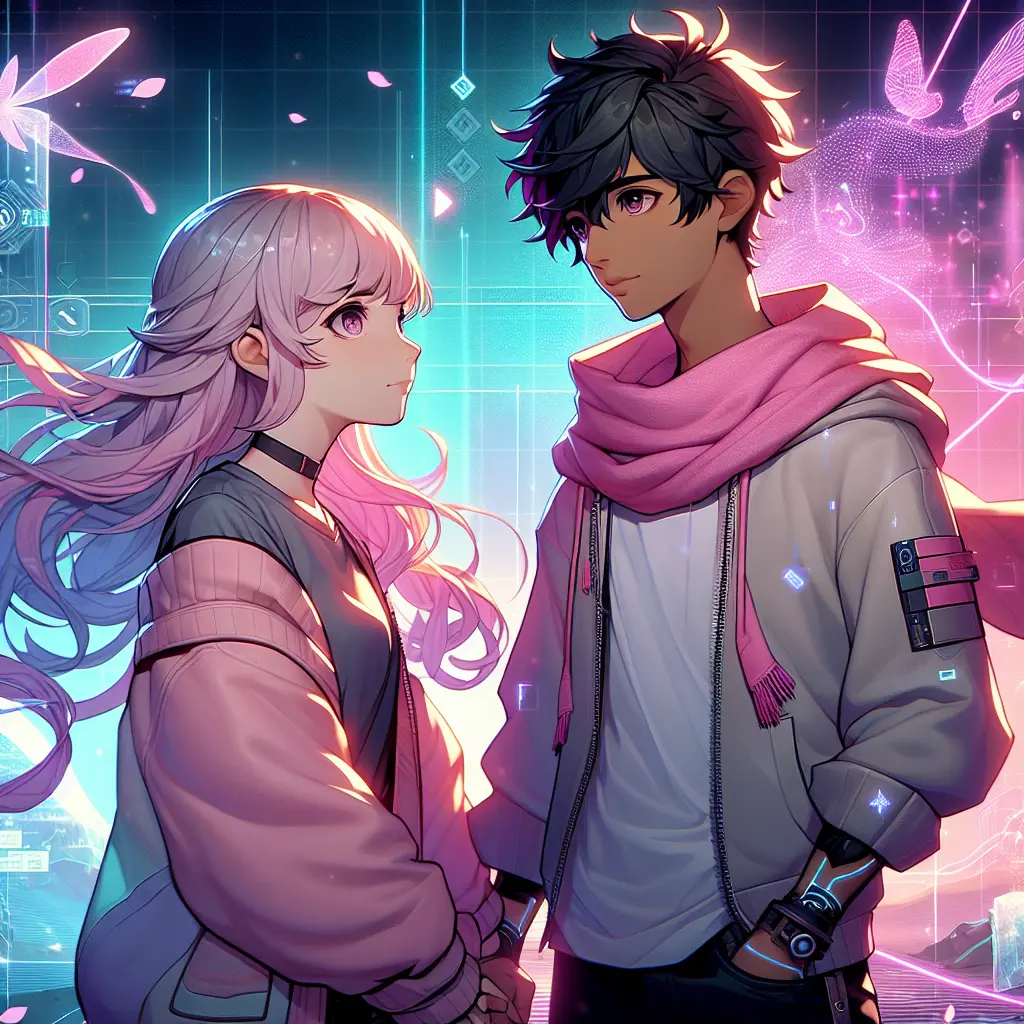
Romance in video games and anime explores emotional connections between characters, often serving as a central or supporting theme. It can drive storylines, influence character development, and engage audiences through heartfelt interactions, dramatic tensions, and meaningful choices. In games, players may influence romantic outcomes through dialogue and actions, while anime often portrays romance with expressive visuals and nuanced storytelling, making relationships memorable and relatable to viewers and players alike.
Romance in Video Games & Anime
Romance in video games and anime explores emotional connections between characters, often serving as a central or supporting theme. It can drive storylines, influence character development, and engage audiences through heartfelt interactions, dramatic tensions, and meaningful choices. In games, players may influence romantic outcomes through dialogue and actions, while anime often portrays romance with expressive visuals and nuanced storytelling, making relationships memorable and relatable to viewers and players alike.
💡 Key Takeaways
- Understand how romantic storylines drive character growth and plot in games and anime.
- See how player choices and dating mechanics shape relationships, endings, and rewards.
- Identify common romance tropes and dating scenarios used in both media.
- Explore how emotional tension, humor, and heartfelt moments engage players during date-night scenes.
❓ Frequently Asked Questions
What role does romance play in video games and anime?
Romance can drive or support the story, shape character growth, and create emotional moments through interactions and meaningful choices.
How do player choices affect romantic relationships in games?
Dialogue options, quest decisions, and when/if you confess can boost or strain affection, sometimes affecting endings or relationship outcomes.
What are common romance tropes to expect in this genre?
Common tropes include enemies-to-lovers, rivals-to-lovers, love triangles, slow burns, and fate or destiny-driven partnerships.
How can you recognize well-developed romance in a narrative?
Look for scenes with meaningful dialogue, character motivations tied to the relationship, and consequences of romance that impact the plot and growth.