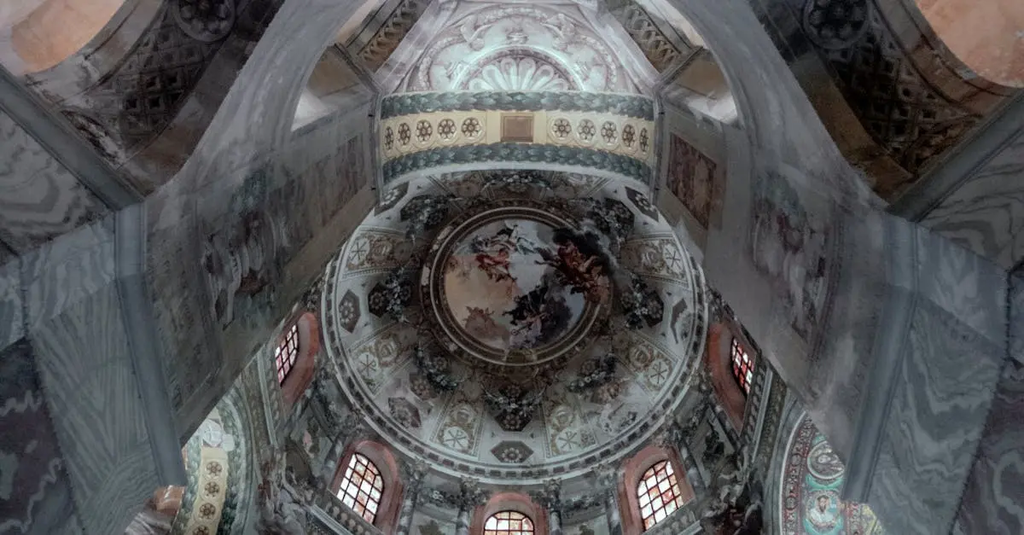
Romanticism was an artistic, literary, and intellectual movement that emerged in late 18th-century Europe, emphasizing emotion, individualism, and the beauty of nature. Rejecting the rationalism of the Enlightenment, Romantic artists sought to express intense feelings, imagination, and the sublime. Their works often depicted dramatic landscapes, heroic figures, and themes of freedom and rebellion. Romanticism profoundly influenced painting, music, and literature, shaping cultural attitudes throughout the 19th century.
Romanticism
Romanticism was an artistic, literary, and intellectual movement that emerged in late 18th-century Europe, emphasizing emotion, individualism, and the beauty of nature. Rejecting the rationalism of the Enlightenment, Romantic artists sought to express intense feelings, imagination, and the sublime. Their works often depicted dramatic landscapes, heroic figures, and themes of freedom and rebellion. Romanticism profoundly influenced painting, music, and literature, shaping cultural attitudes throughout the 19th century.

💡 Key Takeaways
- Recognize Romanticism's key features: emphasis on emotion, imagination, nature, the sublime, and individualism.
- Understand the historical context and what Romanticism reacted against (Enlightenment rationalism and early Industrialization).
- Identify major Romantic writers and common themes in their works (Wordsworth, Coleridge, Blake, Shelley, Keats, Byron).
- Explore motifs and techniques typical of Romantic works: nature as expression of inner life, the supernatural, the sublime, and the rebellious spirit.
- Explain Romanticism's lasting influence on later movements and arts, including Transcendentalism and modern poetry.
❓ Frequently Asked Questions
What is Romanticism?
A cultural and artistic movement roughly from the 1780s to the 1850s that valued emotion, imagination, individual experience, and a deep connection with nature.
What are common themes in Romantic works?
Nature and the sublime, intense emotion, individual freedom, imagination, the supernatural, and a nostalgia for the past or rural life.
Who are key figures associated with Romanticism?
Poets like Wordsworth, Coleridge, Byron, Shelley, and Keats; painters such as Caspar David Friedrich; and composers like Beethoven.
How does Romanticism differ from Neoclassicism?
Romanticism prioritizes emotion, imagination, and nature, while Neoclassicism emphasizes reason, order, and classical models.