Ross’s paleontology career refers to the professional journey of Ross Geller, a character from the TV show “Friends.” As a dedicated paleontologist, Ross works at museums and later becomes a university professor. His passion for dinosaurs and fossils is a defining trait, often influencing his relationships and social interactions. Throughout the series, Ross’s expertise and enthusiasm for paleontology provide comedic moments and contribute to his unique personality among the group of friends.
Ross's Paleontology Career
Ross’s paleontology career refers to the professional journey of Ross Geller, a character from the TV show “Friends.” As a dedicated paleontologist, Ross works at museums and later becomes a university professor. His passion for dinosaurs and fossils is a defining trait, often influencing his relationships and social interactions. Throughout the series, Ross’s expertise and enthusiasm for paleontology provide comedic moments and contribute to his unique personality among the group of friends.
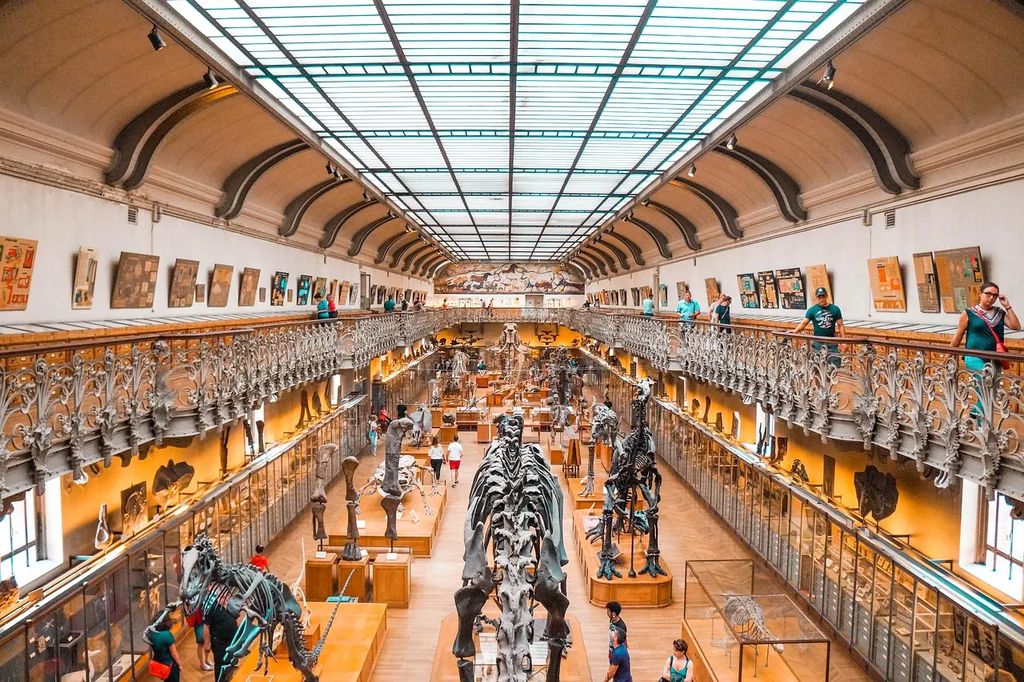
💡 Key Takeaways
- Learn the typical education path and milestones in a paleontology career.
- Explore the different roles paleontologists may have (fieldwork, research, curation, education).
- Understand how fossil discovery drives theories about Earth's history and evolution.
- Discover key skills and methods used in paleontology, such as field techniques, fossil preparation, dating, and data analysis.
- See how paleontologists share findings with the public through museums, publications, and outreach.
❓ Frequently Asked Questions
What is paleontology?
Paleontology is the science of studying ancient life through fossils and related evidence to understand Earth's history.
What do paleontologists typically do in their careers?
They search for and excavate fossils, prepare and study specimens, analyze anatomy and evolution, and share findings through research, teaching, or museum displays.
What education is needed to become a paleontologist?
A bachelor's degree in geology, biology, or a related field is common; many roles require graduate degrees (master's or PhD) and hands-on field experience.
How do paleontologists determine the age of fossils?
They use relative dating (stratigraphy and index fossils) and absolute dating (radiometric methods like radiocarbon or potassium-argon) to estimate ages.
What skills are valuable for a paleontologist?
Fieldwork, fossil preparation, taxonomy and anatomy knowledge, data analysis, GIS, critical thinking, and clear scientific communication.