Roundabouts and traffic circles are circular intersections designed to manage traffic flow without the need for traffic signals. Vehicles travel counterclockwise around a central island, yielding to traffic already in the circle. Roundabouts typically have yield control and promote continuous movement, reducing delays and accidents. Traffic circles may be larger, sometimes with stop signs or signals. Both aim to improve safety and efficiency by minimizing conflict points and lowering vehicle speeds at intersections.
Roundabouts and Traffic Circles
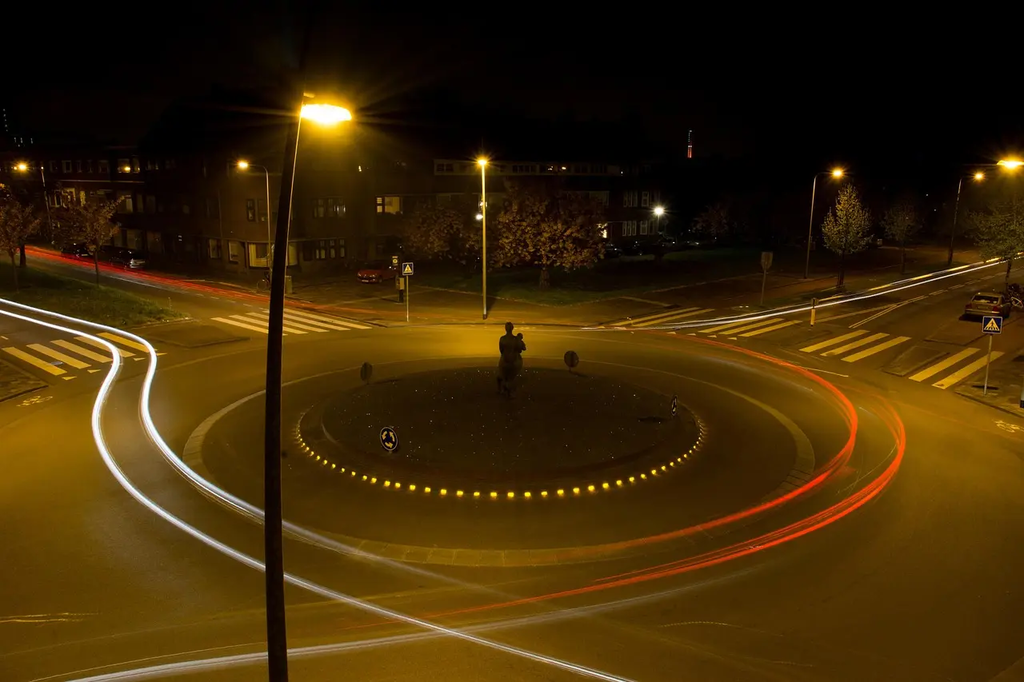
Roundabouts and traffic circles are circular intersections designed to manage traffic flow without the need for traffic signals. Vehicles travel counterclockwise around a central island, yielding to traffic already in the circle. Roundabouts typically have yield control and promote continuous movement, reducing delays and accidents. Traffic circles may be larger, sometimes with stop signs or signals. Both aim to improve safety and efficiency by minimizing conflict points and lowering vehicle speeds at intersections.
💡 Key Takeaways
- Roundabouts promote smooth traffic flow and reduce stops by using yield control instead of traffic signals.
- Enter by yielding to vehicles already in the circle and merge safely into circulating traffic.
- Stay in your lane while circulating and signal your intent to exit as you approach your chosen exit.
- Watch for pedestrians and cyclists at crosswalks and yield as needed when entering, circulating, or exiting.
❓ Frequently Asked Questions
What is a roundabout and how does it work?
A circular intersection with a central island where traffic travels around the island (often counterclockwise). You yield to vehicles inside the circle, merge when there’s a gap, and exit at your chosen street.
What’s the difference between a roundabout and a traffic circle?
Roundabouts use yield control and aim for continuous flow with lower speeds. Traffic circles may be larger and can have signals or stops, which can require more stopping and different rules.
How do you enter, drive through, and exit a roundabout safely?
Slow down, look for pedestrians and cyclists, yield to traffic already in the circle, merge when clear, stay in your lane, and signal right as you exit.
When should you signal in a roundabout?
Do not signal on entry; signal right after you pass the exit just before your intended exit to indicate you’re leaving (rules can vary by location, so check local guidelines).