Route 66, known as the "Main Street of America," is famed for its vibrant roadside dining heritage. Along this historic highway, travelers encounter classic diners, retro cafes, and quirky eateries that capture the spirit of mid-20th-century Americana. These establishments serve comfort food, offer nostalgic décor, and reflect the cultural diversity of the regions they traverse, making Route 66 a symbol of American road trip culture and culinary tradition.
Route 66 and roadside dining heritage
Route 66, known as the "Main Street of America," is famed for its vibrant roadside dining heritage. Along this historic highway, travelers encounter classic diners, retro cafes, and quirky eateries that capture the spirit of mid-20th-century Americana. These establishments serve comfort food, offer nostalgic décor, and reflect the cultural diversity of the regions they traverse, making Route 66 a symbol of American road trip culture and culinary tradition.
💡 Key Takeaways
- Identify the cultural and historical factors that shaped roadside dining along Route 66 in the mid-20th century.
- Differentiate between classic diners, retro cafes, and quirky roadside eateries and note their signature comfort foods.
- Explain how Route 66 contributed to the spread and evolution of American comfort food and regional specialties.
- Describe how signage, decor, and service style created the distinctive Route 66 dining atmosphere and traveler experience.
❓ Frequently Asked Questions
What is Route 66 and why is it linked to roadside dining?
Route 66 is a historic U.S. highway, nicknamed the Main Street of America. It spurred a vibrant roadside dining culture with diners, drive-ins, and cafes offering quick, comforting meals to travelers.
What kinds of eateries are commonly found along Route 66?
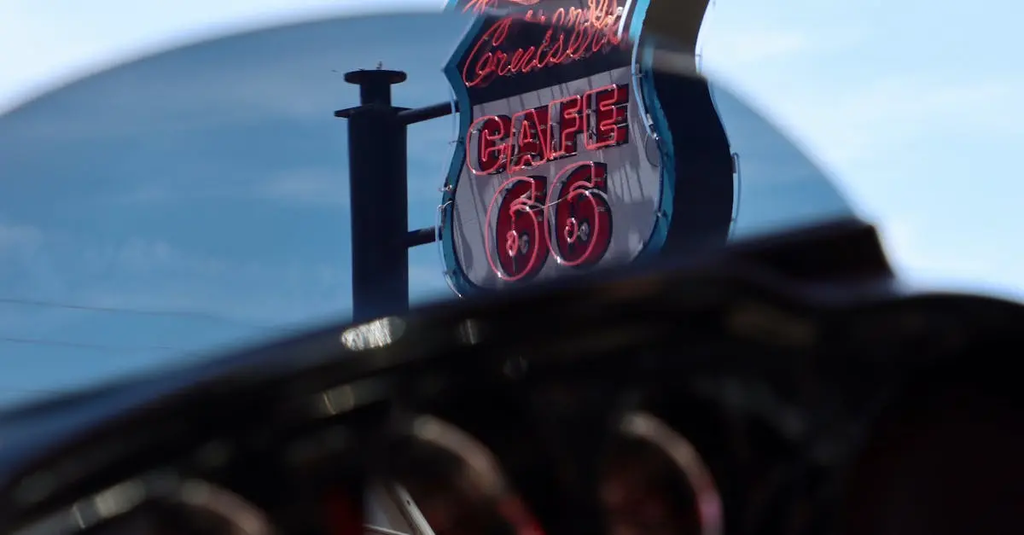
Classic diners, retro cafes, and quirky roadside spots known for neon signage and a casual, car-friendly dining vibe.
What foods are typical of Route 66 roadside dining?
Comfort foods like burgers, fries, fried chicken, sandwiches, pies, and milkshakes—often served in quick-service, home-style formats.
How did roadside dining shape American food culture?
It reflected postwar car travel, popularized quick-service and standardized diner menus, and helped spread comfort-food staples across the nation.