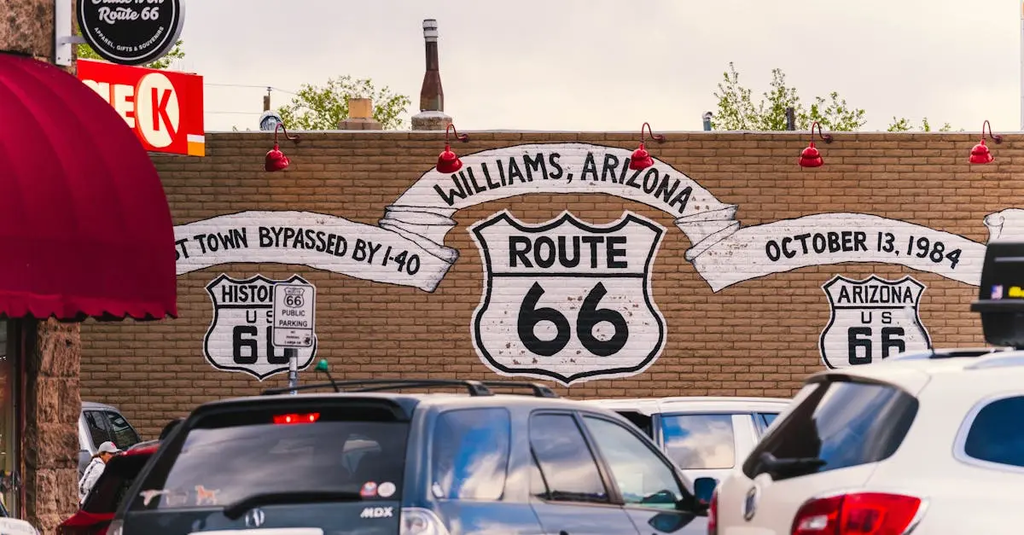
"Route 66: The Mother Road's Lost Towns" refers to the forgotten communities that once thrived along the historic Route 66 highway. As this iconic roadway connected Chicago to Los Angeles, it spurred economic growth in many small towns. However, with the advent of interstate highways and changing travel patterns, numerous towns declined or were abandoned. These lost towns symbolize both the heyday and the decline of America's beloved "Mother Road," preserving stories of nostalgia and change.
Route 66: The Mother Road's Lost Towns+50
"Route 66: The Mother Road's Lost Towns" refers to the forgotten communities that once thrived along the historic Route 66 highway. As this iconic roadway connected Chicago to Los Angeles, it spurred economic growth in many small towns. However, with the advent of interstate highways and changing travel patterns, numerous towns declined or were abandoned. These lost towns symbolize both the heyday and the decline of America's beloved "Mother Road," preserving stories of nostalgia and change.
💡 Key Takeaways
- Explain how Route 66 spurred economic growth in small towns from Chicago to Los Angeles.
- Describe why many communities declined or were abandoned after the highway’s peak and the rise of the interstate.
- Identify examples of lost towns and the remnants—buildings, neon signs, and routes—that symbolize Route 66's history.
- Understand preservation and tourism efforts that keep the Mother Road’s legacy alive through museums, landmarks, and historic drives.
❓ Frequently Asked Questions
What is Route 66 commonly known as and where did it run?
It is known as the Mother Road and ran from Chicago, Illinois to Los Angeles, California.
Why did many towns along Route 66 become lost towns?
The interstate system bypassed many towns, diverting traffic and commerce away from the old route.
What remains today along Route 66 that helps tell its story?
Historic motels, diners, neon signs, museums, and preserved sections of the old road.
Why is preserving Route 66's lost towns important?
Preservation keeps cultural heritage alive, shares migration and economic history, and supports education and tourism.