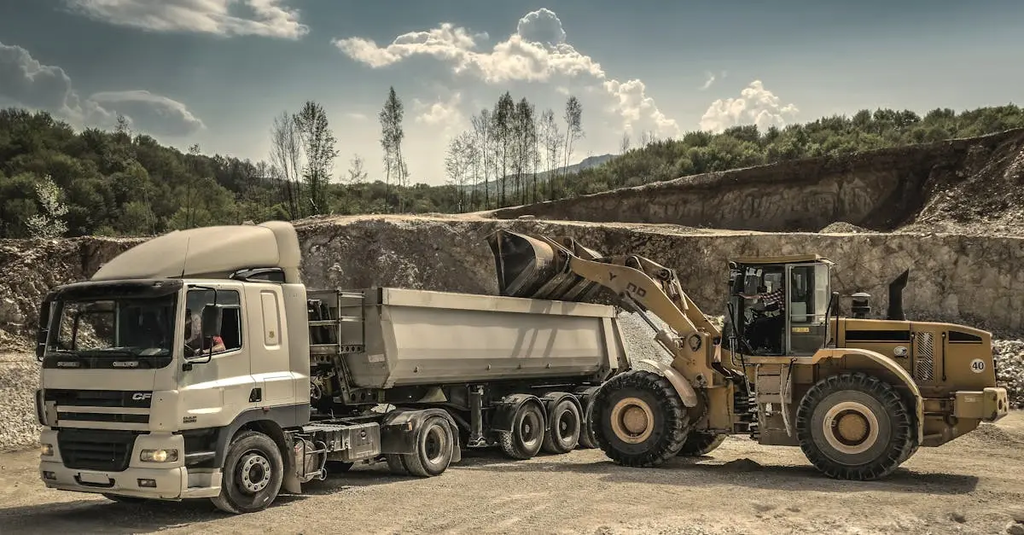
Route Optimization & Telematics refers to the use of advanced technologies and data analytics to plan the most efficient travel routes for vehicles, reducing fuel consumption, travel time, and operational costs. Telematics involves the integration of GPS, sensors, and communication systems to monitor vehicle location, driver behavior, and vehicle health in real-time. Together, these tools help businesses improve fleet management, enhance safety, and increase overall efficiency in transportation and logistics operations.
Route Optimization & Telematics
Route Optimization & Telematics refers to the use of advanced technologies and data analytics to plan the most efficient travel routes for vehicles, reducing fuel consumption, travel time, and operational costs. Telematics involves the integration of GPS, sensors, and communication systems to monitor vehicle location, driver behavior, and vehicle health in real-time. Together, these tools help businesses improve fleet management, enhance safety, and increase overall efficiency in transportation and logistics operations.

💡 Key Takeaways
- Understand how route optimization lowers fuel use, travel time, and operational costs for trades and field jobs.
- Learn how telematics combines GPS, vehicle sensors, and wireless communication to monitor fleets and collect actionable data.
- Explore how real-time data (traffic, weather, road constraints) and job requirements shape optimal routing and scheduling.
- Identify practical steps to implement route optimization and telematics, including driver coaching and maintenance alerts.
❓ Frequently Asked Questions
What is route optimization in trades and field jobs?
Route optimization uses algorithms and real-time data to find the most efficient travel path for vehicles, minimizing distance, time, fuel, and overall costs.
What role do telematics play in fleet management?
Telematics combines GPS, sensors, and communications to track location, performance, and driver behavior, enabling live routing, monitoring, and optimization.
What kinds of data are used to optimize routes?
Data sources include GPS position, traffic conditions, road closures, weather, delivery windows, vehicle capacity and status, and historical trip data.
What benefits can route optimization bring to field crews and operations?
Faster travel times, fewer miles, lower fuel use, on-time deliveries, safer driving, and easier maintenance planning.
How does route optimization support cost reduction and sustainability?
It lowers fuel consumption and vehicle wear, reduces idle and detours, and helps minimize empty miles; telematics provides data to monitor and improve performance.