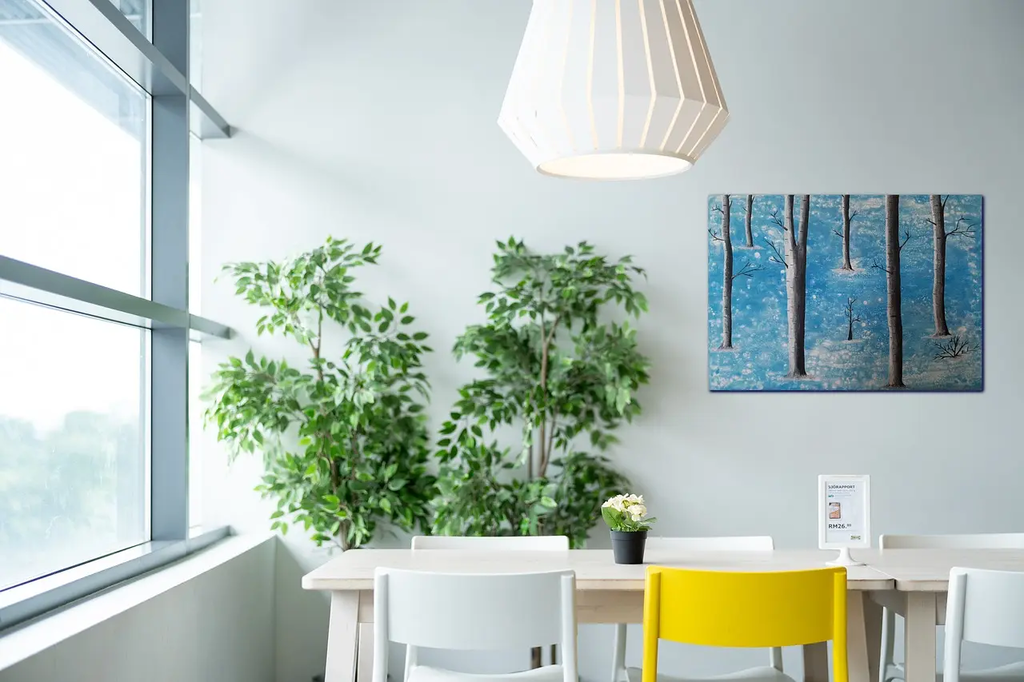
The Rule of Thirds is a visual arts and design principle that divides an image into nine equal segments using two horizontal and two vertical lines. Key elements are placed along these lines or their intersections to create balance and interest. Framing involves using elements within a composition—like windows, doors, or natural objects—to surround the subject, drawing attention and adding depth. Together, these techniques enhance visual impact and guide viewers’ focus.
Rule of Thirds & Framing
The Rule of Thirds is a visual arts and design principle that divides an image into nine equal segments using two horizontal and two vertical lines. Key elements are placed along these lines or their intersections to create balance and interest. Framing involves using elements within a composition—like windows, doors, or natural objects—to surround the subject, drawing attention and adding depth. Together, these techniques enhance visual impact and guide viewers’ focus.

💡 Key Takeaways
- Understand the Rule of Thirds and how it guides composition in images.
- Learn to place important elements along gridlines and at their intersections for balance.
- Explore framing techniques (leading lines, natural frames, negative space) to emphasize subjects.
- Practice applying these concepts to create more engaging, balanced photographs.
❓ Frequently Asked Questions
What is the Rule of Thirds in photography?
A composition guideline that divides the image into nine equal parts with two vertical and two horizontal lines; place important elements along these lines or at their intersections for balance.
How can you apply the Rule of Thirds using a camera grid?
Enable a 3x3 grid on your camera or phone, then position the main subject at an intersection or along one of the lines for a more natural, balanced look.
What does framing mean in photography, and how does it relate to the Rule of Thirds?
Framing uses surrounding elements to draw attention to the subject. When used with the Rule of Thirds, you place the subject off-center while the frame guides or frames it to enhance focus.
Where should the main subject be placed for strong composition?
Place the subject along the grid lines or at a corner intersection, typically off-center on the left or right third, with the horizon on the top or bottom third when appropriate.