"Rulebook Nuances and Referee Signals" refers to the subtle details and specific interpretations found within the official rules of a sport or game, as well as the distinct gestures, hand movements, or signals used by referees to communicate their decisions to players, coaches, and spectators. Understanding these nuances and signals is crucial for proper gameplay, ensuring fair enforcement of the rules, and facilitating clear communication during matches or competitions.
Rulebook Nuances and Referee Signals
"Rulebook Nuances and Referee Signals" refers to the subtle details and specific interpretations found within the official rules of a sport or game, as well as the distinct gestures, hand movements, or signals used by referees to communicate their decisions to players, coaches, and spectators. Understanding these nuances and signals is crucial for proper gameplay, ensuring fair enforcement of the rules, and facilitating clear communication during matches or competitions.
💡 Key Takeaways
- Understand how penalties are enforced (spot fouls vs enforcement from the previous spot) and how yardage, downs, and the clock are affected.
- Grasp common rulebook nuances that can flip a play (legal formation, eligible receiver rules, grounding, and clock stoppages).
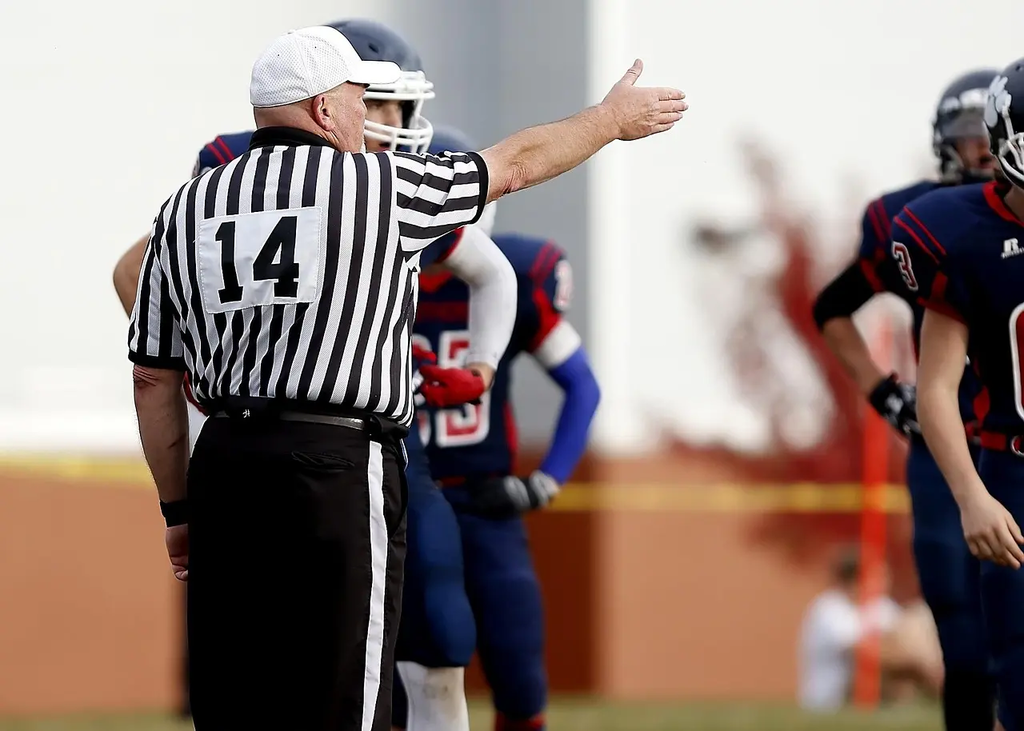
- Learn the standard referee signals for penalties and decisions and what they communicate to players and coaches.
- See how instant replay and official communication influence rulings and how calls are announced during stoppages.
❓ Frequently Asked Questions
What counts as a legal catch in American football?
A player must gain control of the ball in bounds and maintain it long enough to complete the catch, typically with two feet (or another body part) in bounds. If the ball touches the ground before control is established, the catch is incomplete.
What is a false start and why is it penalized?
A false start occurs when an offensive player moves illegally before the snap. It results in a five-yard penalty and the down is replayed.
What is defensive pass interference?
Defensive pass interference is illegal contact by a defender against an eligible receiver while the ball is in the air. It moves the ball forward and usually grants an automatic first down to the offense.
How do referees signal penalties on the field?
Officials throw a penalty flag, then use standard hand signals to indicate the foul and announce the ruling to players and coaches; yardage is marked off accordingly.