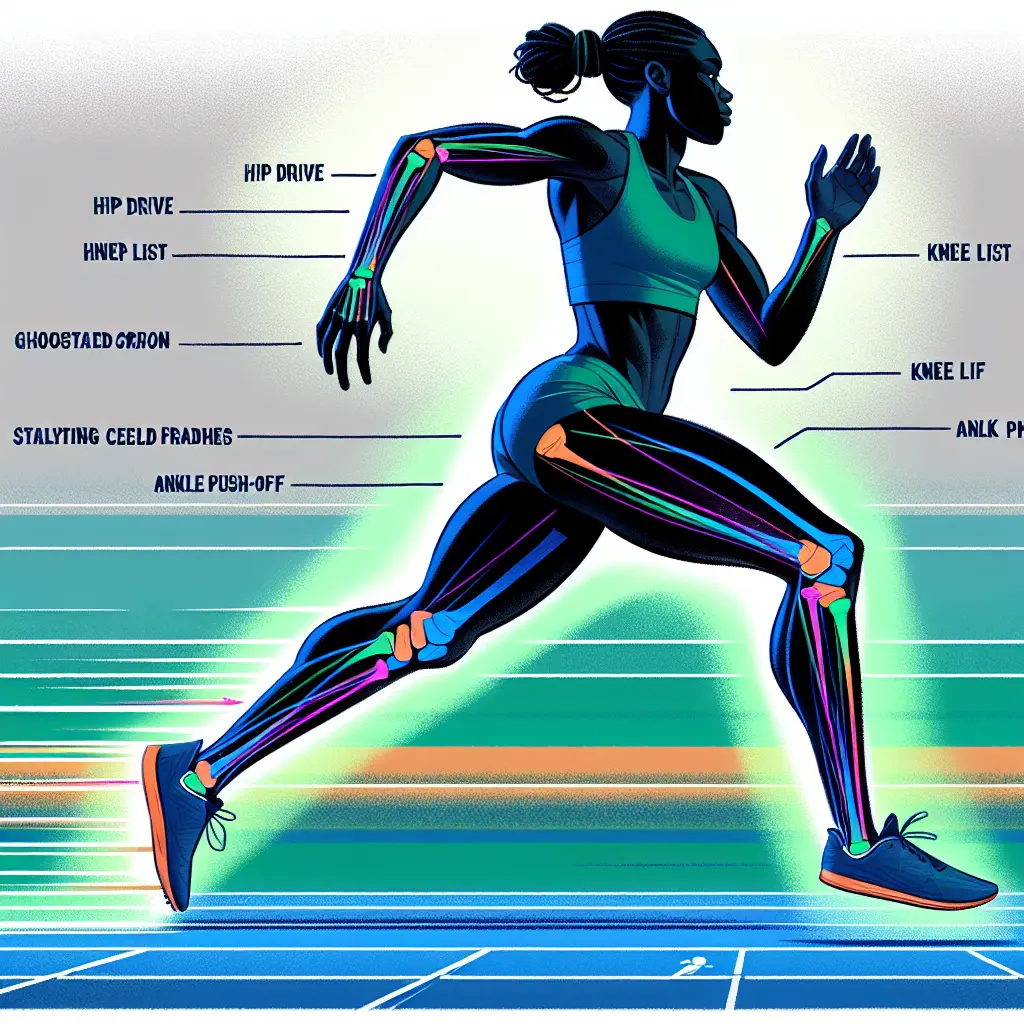
Running form refers to the posture and technique a runner uses while moving, including aspects like body alignment, arm swing, and foot strike. Cadence is the number of steps taken per minute during running. Proper running form and optimal cadence help improve efficiency, reduce injury risk, and enhance performance. Maintaining an upright posture, relaxed shoulders, and a cadence around 170-180 steps per minute is often recommended for most runners.
Running Form & Cadence
Running form refers to the posture and technique a runner uses while moving, including aspects like body alignment, arm swing, and foot strike. Cadence is the number of steps taken per minute during running. Proper running form and optimal cadence help improve efficiency, reduce injury risk, and enhance performance. Maintaining an upright posture, relaxed shoulders, and a cadence around 170-180 steps per minute is often recommended for most runners.
💡 Key Takeaways
- Understand how running posture, body alignment, foot strike, and arm swing influence efficiency and injury risk.
- Learn how cadence (steps per minute) relates to running economy and how to measure and adjust it for your pace.
- Identify practical cues to maintain relaxed upper body, optimized arm swing, and level hips to boost efficiency.
- Recognize common form faults (like overstriding, excessive heel strike, and vertical bounce) and simple corrections to improve form.
❓ Frequently Asked Questions
What is running form?
Running form is the pattern of posture and technique you use while you move—body alignment, leg drive, arm swing, foot strike, and how your weight shifts. Good form aims for efficiency and reduces injury risk.
What is cadence in running, and why does it matter?
Cadence is the number of steps you take per minute. A steady, higher cadence can improve efficiency, reduce overstriding, and lower impact forces when increased gradually.
How can I improve my running form?
Focus on a tall, relaxed posture, a slight forward lean from the ankles, relaxed shoulders, and a compact arm swing. Aim for a midfoot strike under your center of mass and avoid overstriding.
How can I safely adjust my cadence?
Increase cadence gradually (about 5% at a time). Use a metronome or cadence app, run easy, and ensure your stride remains comfortable as you tune your tempo.