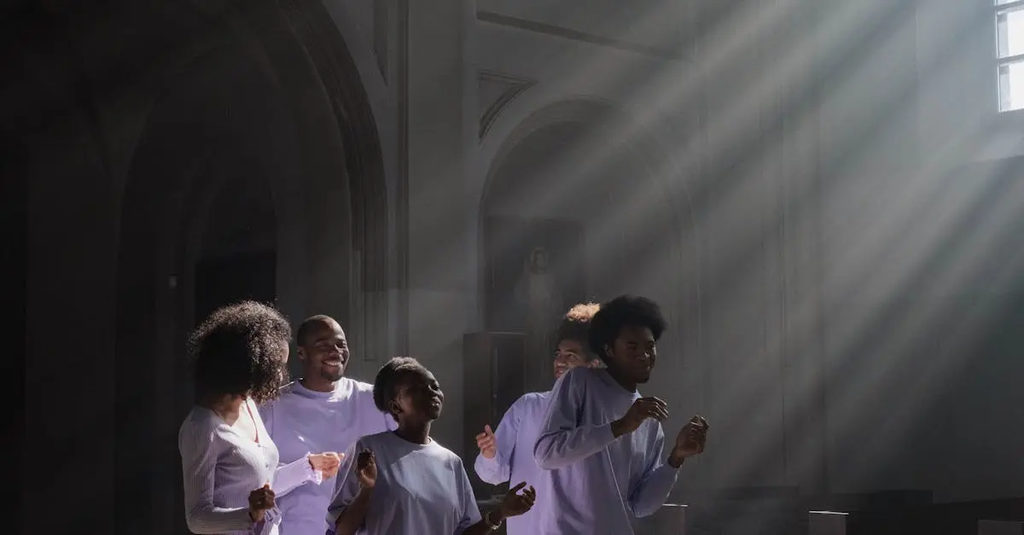
Sacred music and dance in celebrations are powerful expressions of spiritual devotion, cultural identity, and communal unity. They often feature traditional instruments, chants, and choreographed movements that convey religious stories or honor deities. These performances create a sense of connection among participants, elevating the atmosphere and marking important life events or festivals. Through sacred music and dance, communities preserve their heritage and reinforce shared beliefs and values.
Sacred Music and Dance in Celebrations
Sacred music and dance in celebrations are powerful expressions of spiritual devotion, cultural identity, and communal unity. They often feature traditional instruments, chants, and choreographed movements that convey religious stories or honor deities. These performances create a sense of connection among participants, elevating the atmosphere and marking important life events or festivals. Through sacred music and dance, communities preserve their heritage and reinforce shared beliefs and values.
💡 Key Takeaways
- Understand how sacred music and dance express spirituality, culture, and community during global festivals.
- Identify the roles of traditional instruments, chants, and choreography in telling religious stories or honoring deities.
- Explore how performances strengthen communal identity and ensure transmission of rituals across generations.
- Recognize diversity across cultures and religions in sacred celebrations and their shared themes of reverence and solidarity.
❓ Frequently Asked Questions
What is sacred music and dance?
Expressions of spiritual devotion and cultural identity performed during religious celebrations, using chants, traditional instruments, and choreographed movements to honor the divine and unite communities.
What role do chants and prayers play in sacred performances?
They provide musical structure, focus attention, and invite communal participation while transmitting sacred texts and meanings.
Which instruments are commonly used in sacred music around the world?
Traditional drums, bells, rattles, flutes, stringed instruments, and vocal chants; instrument choices vary by culture and religion.
How do sacred dances convey religious stories or honor deities?
Through symbolic movements, gestures, and formations that retell myths, depict divine attributes, and invite blessings.
Why are sacred music and dance important for celebrations and communities?
They express devotion, reinforce cultural identity, and foster a sense of connection, unity, and shared memory during festivals.