Safe breast milk expression, storage, and handling are essential aspects of post-pregnancy care that ensure the milk remains nutritious and free from contamination. This involves washing hands before expressing milk, using clean equipment, and storing milk in sterilized containers. Breast milk should be refrigerated or frozen promptly and labeled with the date. Proper thawing and warming methods must be followed to maintain its quality and protect the baby’s health.
Safe breast milk expression, storage, and handling
Safe breast milk expression, storage, and handling are essential aspects of post-pregnancy care that ensure the milk remains nutritious and free from contamination. This involves washing hands before expressing milk, using clean equipment, and storing milk in sterilized containers. Breast milk should be refrigerated or frozen promptly and labeled with the date. Proper thawing and warming methods must be followed to maintain its quality and protect the baby’s health.
💡 Key Takeaways
- Practice proper hand hygiene and sanitize your pumping equipment and surfaces before and after expressing.
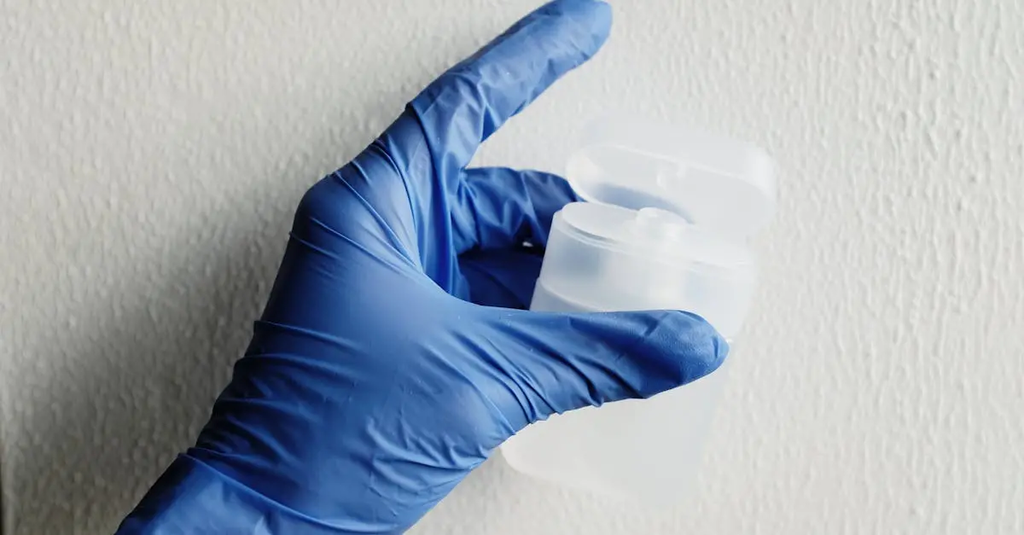
- Use clean, BPA-free containers and label each container with the date and time milk was expressed.
- Store expressed milk promptly at 4°C (39°F) or colder and follow safe storage timelines (refrigerator up to 4 days; freezer for longer storage).
- Thaw and warm breast milk safely: thaw in the fridge or warm water, do not microwave or refreeze, and discard if milk looks or smells spoiled.
❓ Frequently Asked Questions
What steps ensure safe expression and handling of breast milk?
Wash your hands before expressing. Clean and sanitize all pump parts and containers that touch milk after each use. Use clean, BPA-free containers with tight lids, and label milk with date and time. Store milk promptly in a clean fridge or freezer.
How long can expressed breast milk be stored at different temperatures?
Room temperature (up to 77°F/25°C): up to 4 hours. Refrigerator (39°F/4°C): up to 4 days. Freezer (0°F/-18°C): about 6 months is acceptable; 6–12 months in a deep freezer for best quality.
How should I thaw and warm frozen breast milk?
Thaw in the refrigerator overnight or under warm running water. Do not thaw at room temperature. After thawing, use within 24 hours and do not refreeze. Warm by placing the bottle in warm water or a bottle warmer. Do not microwave and test temperature before feeding.
What should I do with leftover milk after a feeding?
Discard any leftover milk in the bottle within 2 hours after the baby finishes feeding. Do not refeed with the same milk.