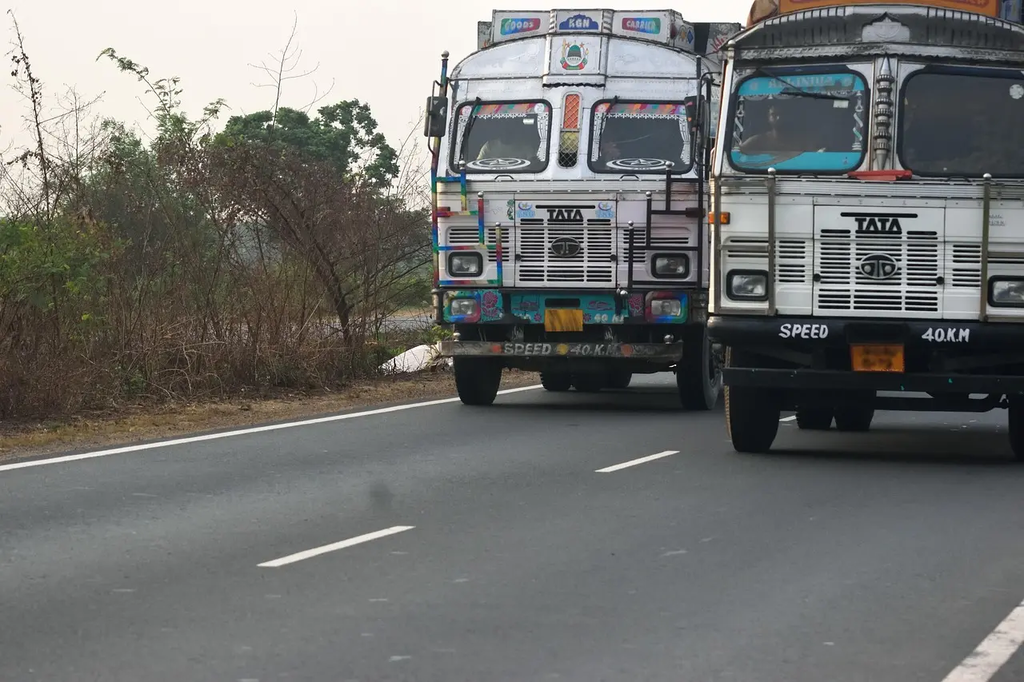
Safe overtaking and passing refer to the careful maneuvering of one vehicle around another on the road, ensuring both driver and public safety. It involves checking mirrors and blind spots, signaling intentions, assessing traffic conditions, maintaining a safe speed and distance, and only overtaking when visibility and road markings permit. Patience, good judgment, and adherence to traffic laws are essential to prevent accidents and ensure smooth traffic flow during overtaking and passing.
Safe Overtaking and Passing
Safe overtaking and passing refer to the careful maneuvering of one vehicle around another on the road, ensuring both driver and public safety. It involves checking mirrors and blind spots, signaling intentions, assessing traffic conditions, maintaining a safe speed and distance, and only overtaking when visibility and road markings permit. Patience, good judgment, and adherence to traffic laws are essential to prevent accidents and ensure smooth traffic flow during overtaking and passing.
💡 Key Takeaways
- Decide when overtaking is safe and legal based on road rules, markings, and traffic conditions.
- Check mirrors and blind spots, signal your intent, and verify a safe gap before moving out to pass.
- Maintain a safe speed and following distance during the overtaking maneuver, adjusting for road and weather conditions.
- Return to your lane only when safely clear of the vehicle you passed and resume a safe following distance.
❓ Frequently Asked Questions
What is safe overtaking and passing?
Safe overtaking means passing another vehicle only when there is enough space, good visibility, and time to return to your lane without risk, while following road laws and signaling.
What steps should you take before overtaking?
Check mirrors and blind spots, signal your intention, assess traffic conditions, and ensure you can complete the pass safely within road rules.
Why is signaling important when overtaking?
Signaling alerts other drivers to your planned move, giving them time to react and helping prevent collisions.
When should you not overtake?
Do not overtake on curves or hills with limited visibility, on solid lines or in no-passing zones, or when there isn’t enough space or time to complete the pass safely.
How should you manage speed and distance during the pass?
Increase speed only enough to pass quickly, maintain a safe following distance, and return to your lane after you’re fully clear and can reestablish a safe gap.