Safety-critical systems are engineered solutions where failure could result in significant harm to people, property, or the environment. Functional safety ensures these systems operate reliably, even when faults occur, by identifying and mitigating risks through design, testing, and maintenance. Careers in this field involve developing, validating, and certifying systems in industries like aerospace, automotive, and healthcare, requiring expertise in engineering principles, risk assessment, and regulatory standards to protect lives and assets.
Safety-Critical Systems & Functional Safety
Safety-critical systems are engineered solutions where failure could result in significant harm to people, property, or the environment. Functional safety ensures these systems operate reliably, even when faults occur, by identifying and mitigating risks through design, testing, and maintenance. Careers in this field involve developing, validating, and certifying systems in industries like aerospace, automotive, and healthcare, requiring expertise in engineering principles, risk assessment, and regulatory standards to protect lives and assets.
💡 Key Takeaways
- Define safety-critical systems and functional safety, and explain why reliability and risk reduction matter in real-world applications.
- Identify hazards, assess risk, and determine safety goals and appropriate safety levels (e.g., ASIL/SIL) for a system.
- Describe the safety lifecycle from concept through decommissioning, including requirements, design, verification, validation, and traceability.
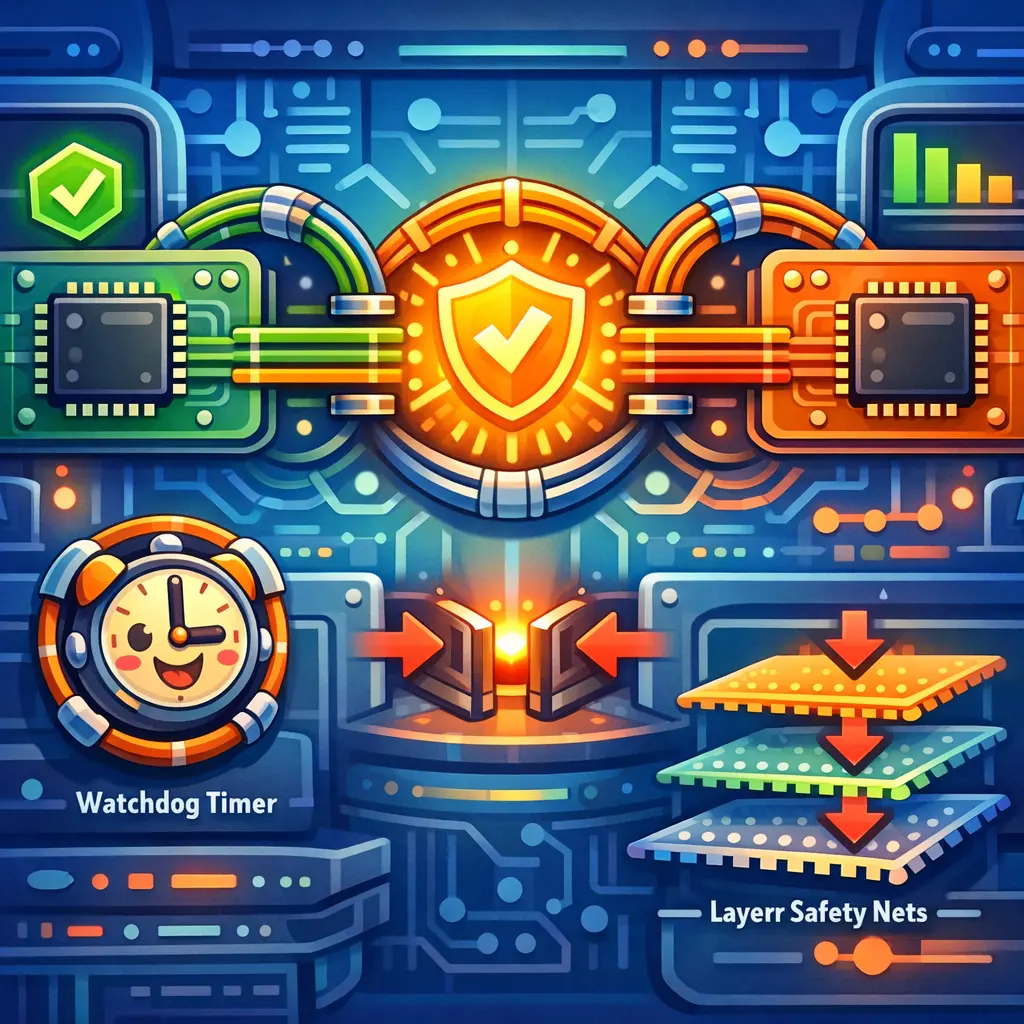
- Explain essential safety mechanisms and verification practices such as redundancy, fault detection, safe states, and the role of safety cases.
❓ Frequently Asked Questions
What qualifies as a safety-critical system?
A system where a fault could cause harm to people, the environment, or mission-critical failure. Examples include aircraft controls, braking systems, medical devices, and nuclear plant controls; these require formal safety analysis and a dedicated safety lifecycle.
What is functional safety?
Functional safety is the part of safety engineering that ensures safety-related electrical/electronic/programmable systems behave correctly in the presence of faults, through hazard analysis, safety requirements, and lifecycle processes from start to finish.
What is a Safety Integrity Level (SIL) or ASIL, and why does it matter?
SIL (used in IEC 61508) and ASIL (used in ISO 26262) are risk-reduction levels assigned to safety functions. Higher levels require more rigorous design, testing, and verification to reduce risk to acceptable levels.
What are the typical steps in a functional safety lifecycle?
Key steps include hazard analysis and risk assessment, defining safety goals and requirements, system and architecture design, hardware/software development, verification and validation, safety assessment, and ongoing operation/maintenance with change management.