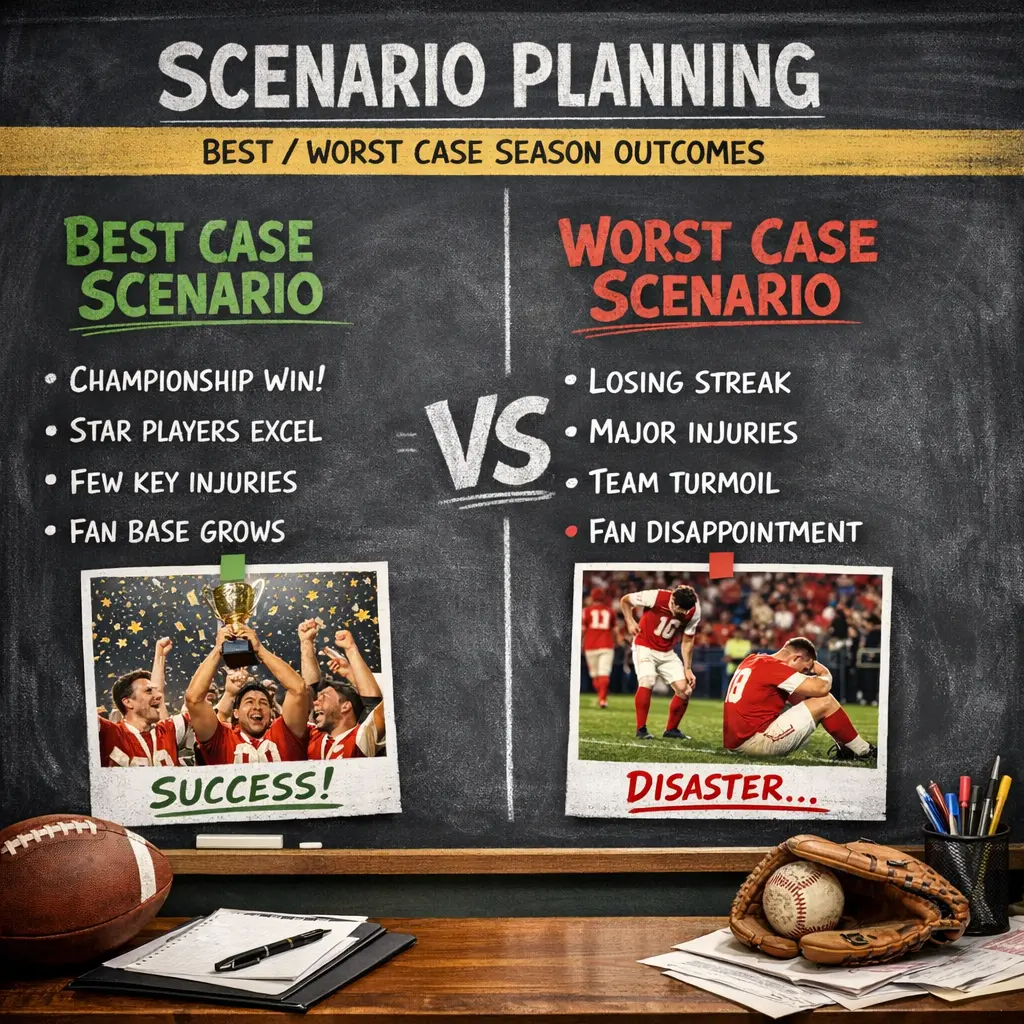
Scenario planning for Tottenham Hotspur F.C. involves analyzing potential best and worst case outcomes for their season. The best case could see Spurs securing a top-four Premier League finish, deep cup runs, and Champions League qualification, driven by consistent performances and minimal injuries. Conversely, the worst case might involve key player injuries, managerial instability, and a mid-table or lower finish, missing out on European competition and facing fan dissatisfaction.
Scenario Planning: Best/Worst Case Season Outcomes
Scenario planning for Tottenham Hotspur F.C. involves analyzing potential best and worst case outcomes for their season. The best case could see Spurs securing a top-four Premier League finish, deep cup runs, and Champions League qualification, driven by consistent performances and minimal injuries. Conversely, the worst case might involve key player injuries, managerial instability, and a mid-table or lower finish, missing out on European competition and facing fan dissatisfaction.
💡 Key Takeaways
- Grasp the basics of scenario planning and why best- and worst-case outcomes matter for a season
- Identify the key drivers that can alter a season's results (e.g., weather, demand, resources)
- Learn to build simple best- and worst-case scenarios and compare them to the baseline forecast
- Develop practical contingency plans and decision options for different seasonal outcomes
❓ Frequently Asked Questions
What is scenario planning in the context of a season?
A structured approach to imagine multiple plausible futures by varying key drivers (weather, demand, resources) to anticipate risks and opportunities and guide preparation.
What are best-case and worst-case season outcomes?
Best-case describes favorable conditions leading to optimal results, while worst-case describes adverse conditions causing the most challenging results; both help set expectations and prepare responses.
How do I build best-case and worst-case scenarios for a season?
Identify critical drivers, define plausible ranges for each, craft narrative descriptions, and translate them into anticipated metrics or outcomes; keep scenarios simple and credible.
How can I use these scenarios to plan and act?
Create contingency plans, decision rules, and resource allocations for each scenario; set early warning indicators, monitor them during the season, and adjust actions as evidence emerges.
What are common pitfalls to avoid in scenario planning?
Relying on a single forecast, overestimating probability, ignoring interdependencies, or delaying updates; ensure scenarios are data-supported, diverse, and regularly refreshed.