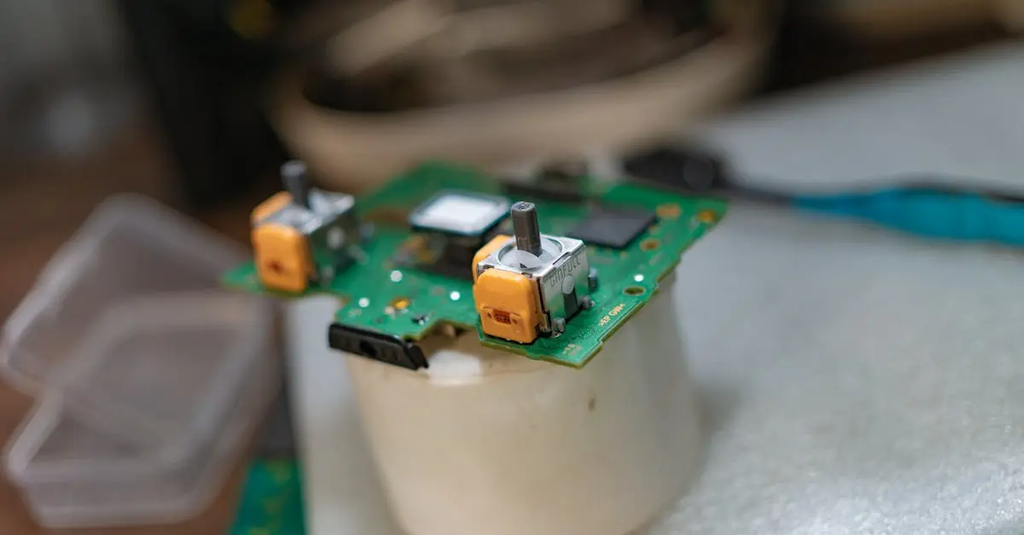
Schematic capture is the process of creating a visual representation of an electronic circuit, using specialized software to define the connections between components. BOM (Bill of Materials) management involves compiling and organizing a detailed list of all components required for the circuit, including part numbers, quantities, and specifications. Together, schematic capture and BOM management streamline the design, documentation, sourcing, and assembly of electronic devices and components, ensuring accuracy and efficiency throughout the development process.
Schematic capture and BOM management
Schematic capture is the process of creating a visual representation of an electronic circuit, using specialized software to define the connections between components. BOM (Bill of Materials) management involves compiling and organizing a detailed list of all components required for the circuit, including part numbers, quantities, and specifications. Together, schematic capture and BOM management streamline the design, documentation, sourcing, and assembly of electronic devices and components, ensuring accuracy and efficiency throughout the development process.

💡 Key Takeaways
- Understand the end-to-end flow from schematic capture to generating and updating the BOM, including how changes in the schematic affect the BOM.
- Learn how to manage component libraries, symbol-to-footprint mappings, and ensure consistent data across design tools.
- Learn BOM maintenance practices, including versioning, revisions, change orders, and traceability from schematic to assembly.
- Grasp how to populate BOM data for procurement, including part numbers, vendor data, pricing, lead times, and obsolescence management.
❓ Frequently Asked Questions
What is schematic capture and why is it important?
Schematic capture is the process of creating circuit diagrams in EDA software, assigning symbols to components, and defining electrical connections. It defines how parts are connected and drives the netlist used for PCB layout and BOM generation.
What is a Bill of Materials (BOM)?
A BOM lists every part needed to build the board, including reference designators, quantities, part numbers, manufacturers, and often cost and sourcing data.
How are schematic capture and BOM management connected in the design flow?
The schematic captures the circuit and component choices; the CAD tool exports a netlist for layout and a BOM for procurement. BOM management keeps part data up to date, tracks revisions, and ensures parts match the schematic.
What are best practices for BOM management?
Maintain centralized, versioned libraries; use consistent naming and reference designators; track part revisions and supplier data; integrate with purchasing/ERP; regularly audit for obsolescence and cost.