School and grassroots sports in the UK refer to physical activities and organized games that take place in educational settings and local communities. These programs aim to encourage participation, develop fundamental skills, and foster teamwork among young people. They often serve as the foundation for identifying and nurturing sporting talent, promoting healthy lifestyles, and building social connections, while also supporting national efforts to increase physical activity and overall well-being.
School and grassroots sports in the UK+50
School and grassroots sports in the UK refer to physical activities and organized games that take place in educational settings and local communities. These programs aim to encourage participation, develop fundamental skills, and foster teamwork among young people. They often serve as the foundation for identifying and nurturing sporting talent, promoting healthy lifestyles, and building social connections, while also supporting national efforts to increase physical activity and overall well-being.
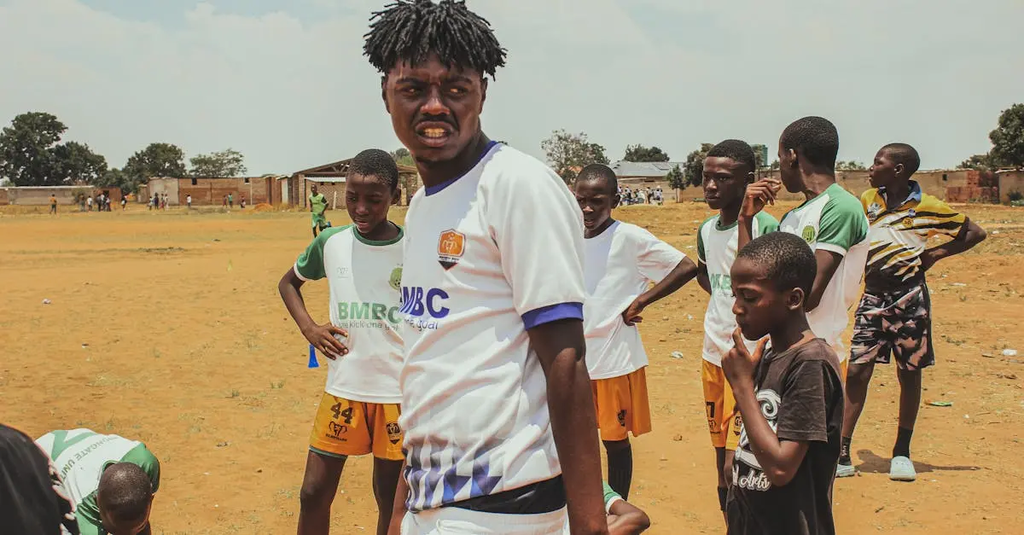
💡 Key Takeaways
- Understand how school and grassroots sports are organized in the UK to support participation for all abilities.
- Recognise the core skills developed (physical literacy, teamwork, leadership) and how they transfer to other activities.
- Learn how pathways from school PE to local clubs and community sport work across the UK.
- Appreciate safety, safeguarding, and inclusive practices that protect young players in school and grassroots sports.
❓ Frequently Asked Questions
What are school and grassroots sports in the UK?
They refer to physical activities and organized games that take place in schools and local communities; the aim is to increase participation, develop fundamental movement skills, and foster teamwork, forming a foundation for lifelong sport and activity.
What is the difference between school sport and grassroots sport?
School sport occurs within schools—through PE lessons, school clubs, and inter-school events. Grassroots sport happens in local clubs and community programs outside school hours.
Why are these programs important for young people?
They help build fitness, coordination, confidence, teamwork and social skills, support wellbeing, and can enhance academic focus and long-term health.
Who runs and supports school and grassroots sports in the UK?
Schools deliver PE through the national curriculum; grassroots activities are run by local clubs and community groups, with support from national bodies (like Sport England and national governing bodies) and local authorities.