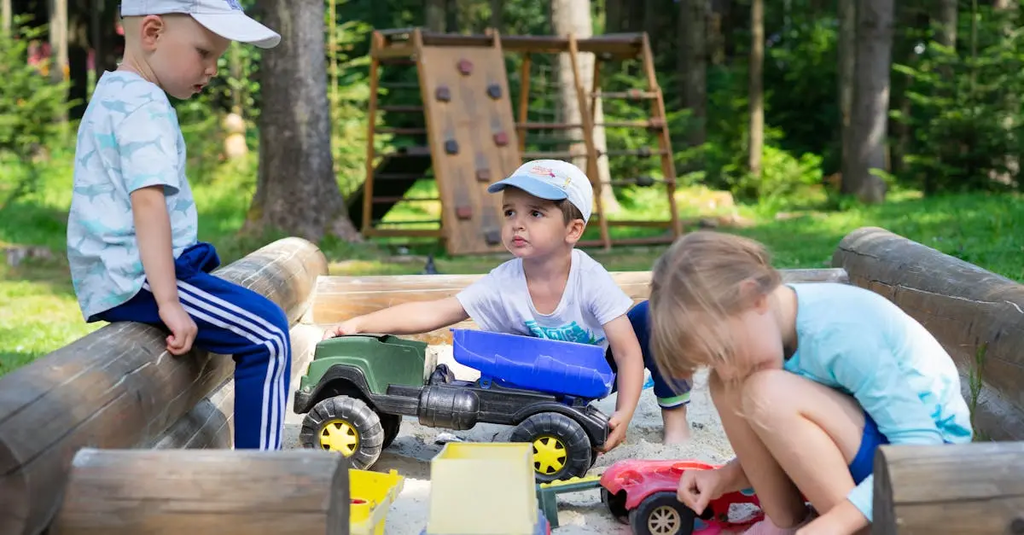
School readiness refers to the social, emotional, and cognitive skills children need to succeed in a classroom setting. Social skills include cooperating with peers and following instructions; emotional skills involve managing feelings and adapting to routines. Cognitive skills encompass basic knowledge like numbers, letters, problem-solving, and curiosity. Developing these abilities between ages 0–10 lays a strong foundation for learning, adjustment, and overall success in school environments.
School readiness: social, emotional, and cognitive skills
School readiness refers to the social, emotional, and cognitive skills children need to succeed in a classroom setting. Social skills include cooperating with peers and following instructions; emotional skills involve managing feelings and adapting to routines. Cognitive skills encompass basic knowledge like numbers, letters, problem-solving, and curiosity. Developing these abilities between ages 0–10 lays a strong foundation for learning, adjustment, and overall success in school environments.
💡 Key Takeaways
- Identify essential social skills for positive peer and teacher interactions.
- Explain strategies for emotional regulation to support classroom behavior.
- Describe cognitive skills that underpin school readiness (attention, memory, problem-solving, language).
- Suggest practical activities to support social, emotional, and cognitive development at home and in early education settings.
❓ Frequently Asked Questions
What does school readiness mean in this context?
It refers to a child’s readiness across social, emotional, and cognitive skills that help them adapt to classroom routines, interact with others, manage emotions, and learn effectively.
Which social skills support a smooth start to school?
Sharing, taking turns, cooperating with peers, listening to teachers, following classroom rules, and asking for help when needed.
What emotional skills are important for readiness?
Recognizing feelings, labeling emotions, using calming strategies, coping with separation, and showing persistence when tasks are challenging.
What cognitive skills help children prepare for school?
Attention and concentration, memory for instructions, language and communication, basic problem solving, and following routines.
How can families support school readiness at home?
Maintain consistent routines, read together, practice language and turn-taking games, label emotions, encourage independence, and provide problem-solving opportunities.