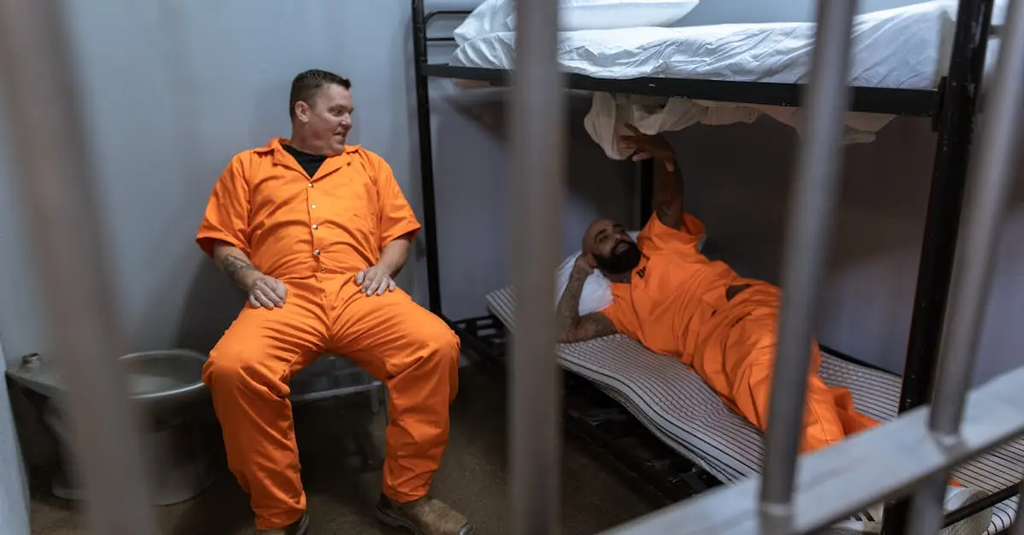
The phrase refers to the relationship between school safety measures, the presence of School Resource Officers (SROs), and their effects on juvenile justice. It highlights how SROs—law enforcement officers stationed in schools—can influence campus security, student behavior, and disciplinary practices. Their involvement may deter crime but can also lead to increased student arrests, potentially funneling youth into the juvenile justice system and raising concerns about the "school-to-prison pipeline."
School safety, SROs, and juvenile justice impacts
The phrase refers to the relationship between school safety measures, the presence of School Resource Officers (SROs), and their effects on juvenile justice. It highlights how SROs—law enforcement officers stationed in schools—can influence campus security, student behavior, and disciplinary practices. Their involvement may deter crime but can also lead to increased student arrests, potentially funneling youth into the juvenile justice system and raising concerns about the "school-to-prison pipeline."
💡 Key Takeaways
- Explain how SROs and school safety measures shape campus security plans and incident response.
- Describe how SRO presence can affect student behavior, discipline referrals, and trust in authorities.
- Assess how safety policies influence juvenile justice outcomes such as referrals, arrests, and trauma exposure.
- Discuss the trade-offs and civil rights considerations involved in integrating policing with schools.
❓ Frequently Asked Questions
What are School Resource Officers (SROs)?
SROs are sworn law enforcement officers assigned to a school to help maintain safety, respond to incidents, and build positive relations between students and police.
How can SROs influence campus safety and student behavior?
SROs can deter violence and provide rapid responses to threats. Their impact on behavior depends on training, school policies, and the quality of student–officer relationships.
What are potential juvenile justice impacts of having SROs in schools?
SROs may reduce some incidents and referrals, but concerns exist about pushing minor offenses into formal juvenile justice, potential disparities, and the need to balance discipline with support.
What are alternative or complementary approaches to school safety?
Options include restorative justice, positive behavior supports, expanded mental health resources, staff training, clear reporting channels, and strong community–school partnerships.