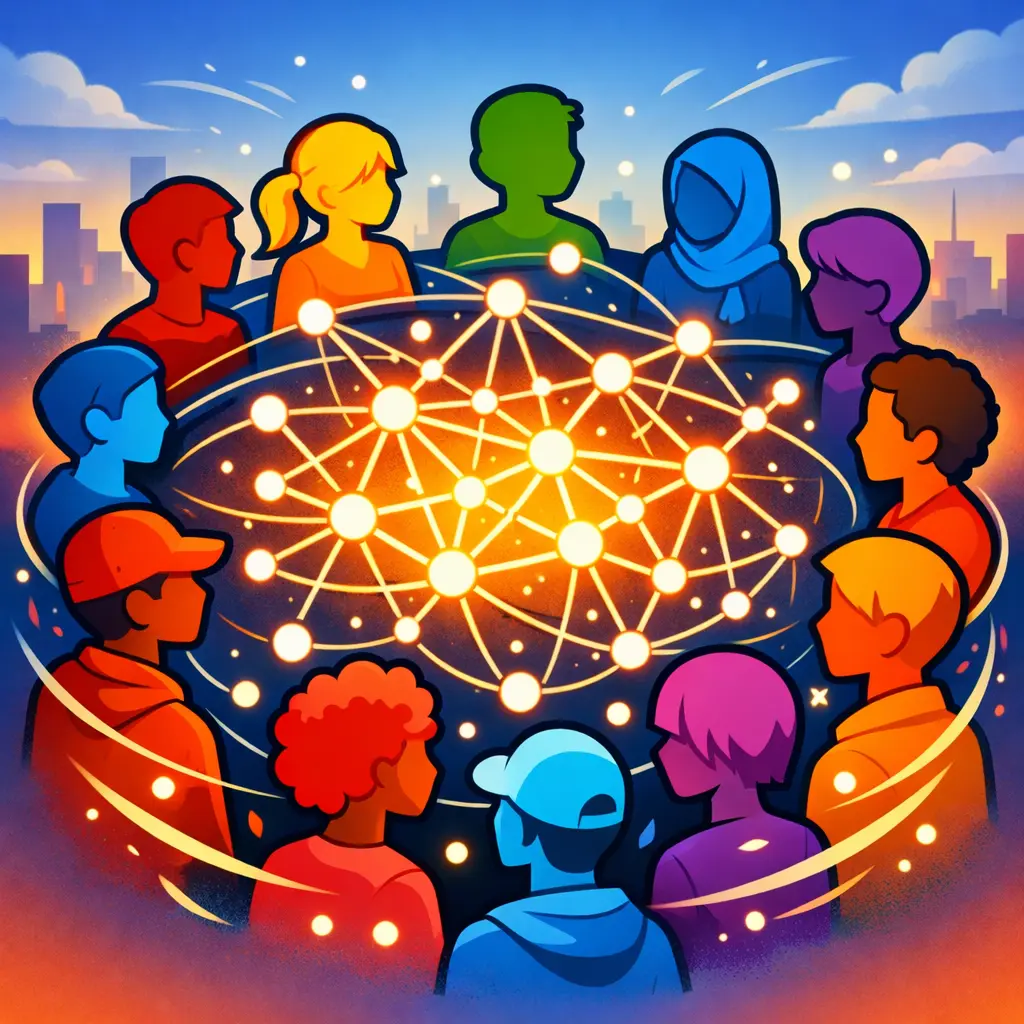
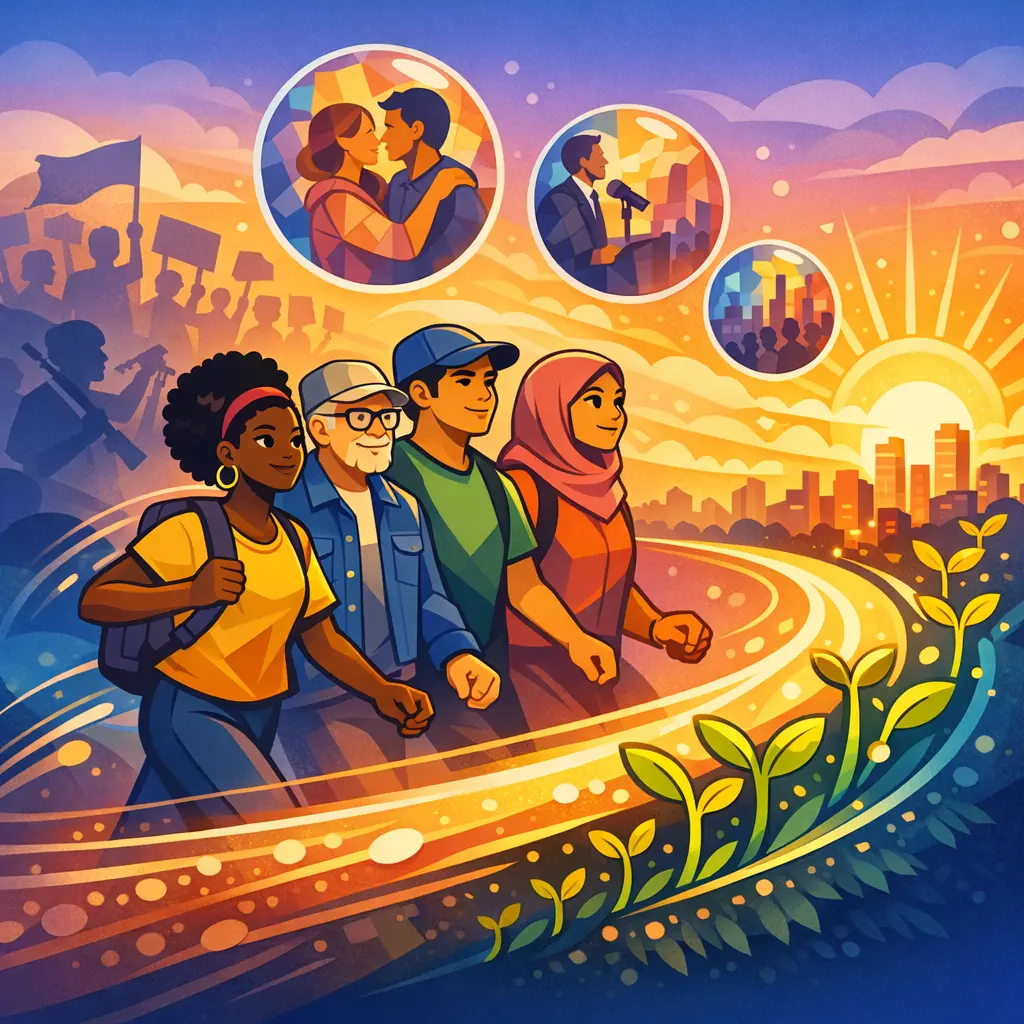
The phrase explores how formal education (schooling) and structured learning content (curriculum) intersect with cultural capital—knowledge, values, and skills shaped by culture, religion, and society. It highlights how educational systems transmit not only academic knowledge but also cultural norms and beliefs, influencing students’ social status and opportunities. The interplay between curriculum and cultural capital can reinforce or challenge existing social inequalities rooted in cultural and religious backgrounds.
Schooling, Curriculum & Cultural Capital
The phrase explores how formal education (schooling) and structured learning content (curriculum) intersect with cultural capital—knowledge, values, and skills shaped by culture, religion, and society. It highlights how educational systems transmit not only academic knowledge but also cultural norms and beliefs, influencing students’ social status and opportunities. The interplay between curriculum and cultural capital can reinforce or challenge existing social inequalities rooted in cultural and religious backgrounds.
💡 Key Takeaways
- Understand how formal schooling shapes opportunities and social mobility.
- Learn what cultural capital is and how it influences educational outcomes.
- Differentiate between the formal curriculum and the hidden curriculum and their effects on learning.
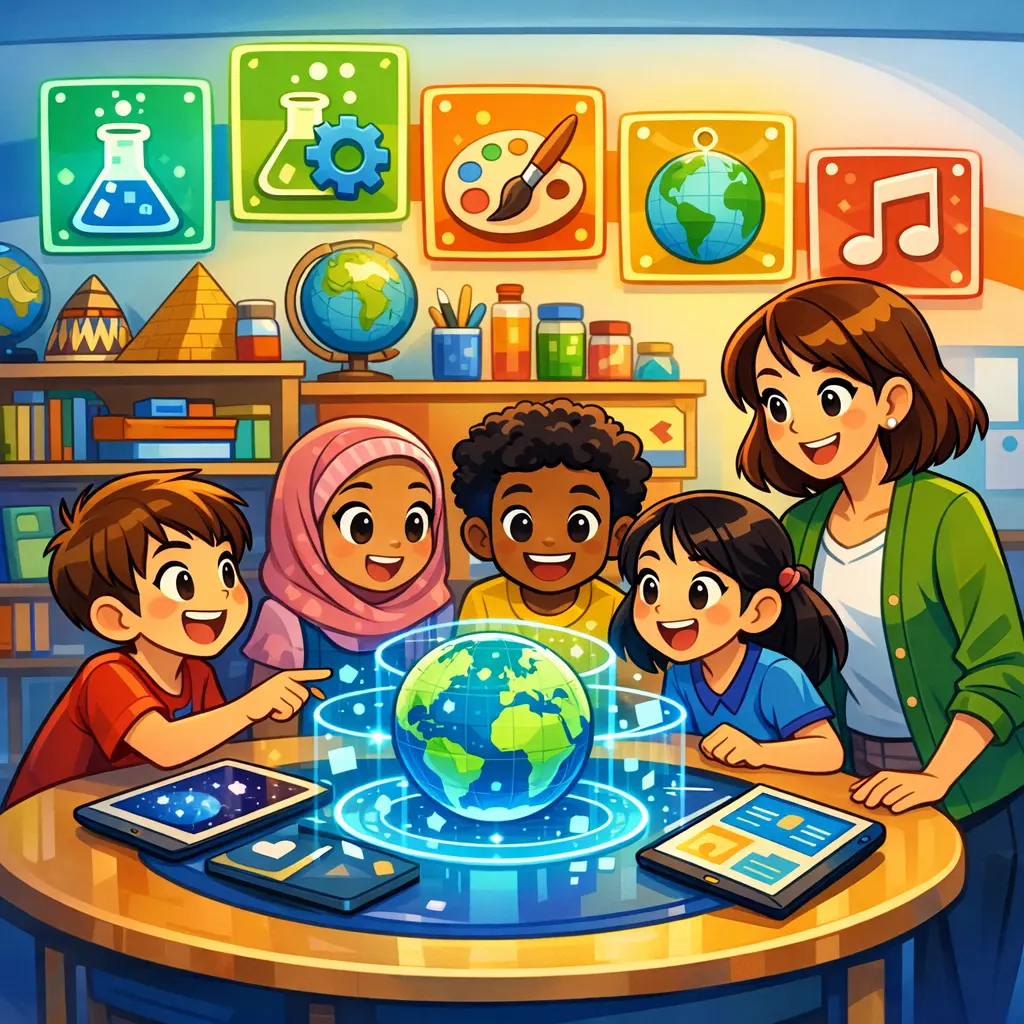
- Explore how curriculum design can reproduce or reduce social inequalities and how to build inclusive cultural capital for diverse learners.
❓ Frequently Asked Questions
What is cultural capital and why does it matter in education?
Cultural capital refers to non-financial assets like language, knowledge, and social norms that help people navigate society and schooling. In education, it influences access to opportunities, engagement with learning, and performance on assessments.
How does curriculum shape what students learn and how they learn it?
The curriculum defines learning goals, content, and the sequence of topics. It guides teaching methods, materials, and assessments, and its design impacts equity by reflecting diverse perspectives.
What does 'schooling' include beyond classroom lessons?
Schooling encompasses the systems, policies, routines, and supports that organize education—teacher guidance, facilities, counseling, and extracurriculars—that help students develop academically and socially.
How can educators build and recognize cultural capital in the classroom?
Educators value students’ backgrounds, incorporate home languages, connect lessons to real-life experiences, use varied assessments, and create inclusive spaces that build on students’ existing cultural assets.