Scientific instruments are specialized tools or devices used by scientists to observe, measure, and analyze various phenomena in nature. They range from simple tools like thermometers and magnifying glasses to complex machines such as microscopes and spectrometers. These instruments help in conducting experiments, making discoveries, and solving scientific riddles or brain teasers by providing accurate data and enhancing our understanding of the world.
Scientific Instruments
Scientific instruments are specialized tools or devices used by scientists to observe, measure, and analyze various phenomena in nature. They range from simple tools like thermometers and magnifying glasses to complex machines such as microscopes and spectrometers. These instruments help in conducting experiments, making discoveries, and solving scientific riddles or brain teasers by providing accurate data and enhancing our understanding of the world.
💡 Key Takeaways
- Identify common scientific instruments and what they measure (e.g., microscope, thermometer, balance, spectrometer).
- Understand accuracy vs. precision and why calibration matters for reliable readings.
- Read and interpret readings from qualitative versus quantitative tools.
- Practice safe handling and routine maintenance to keep instruments reliable.
❓ Frequently Asked Questions
What is a scientific instrument?
A tool used to observe, measure, or analyze natural phenomena, turning observations into data.
Why is calibration important in scientific instruments?
Calibration aligns instrument readings with known standards, ensuring accuracy and comparability over time.
What is a spectrometer?
An instrument that separates light into its component wavelengths to identify or quantify substances based on spectral features.
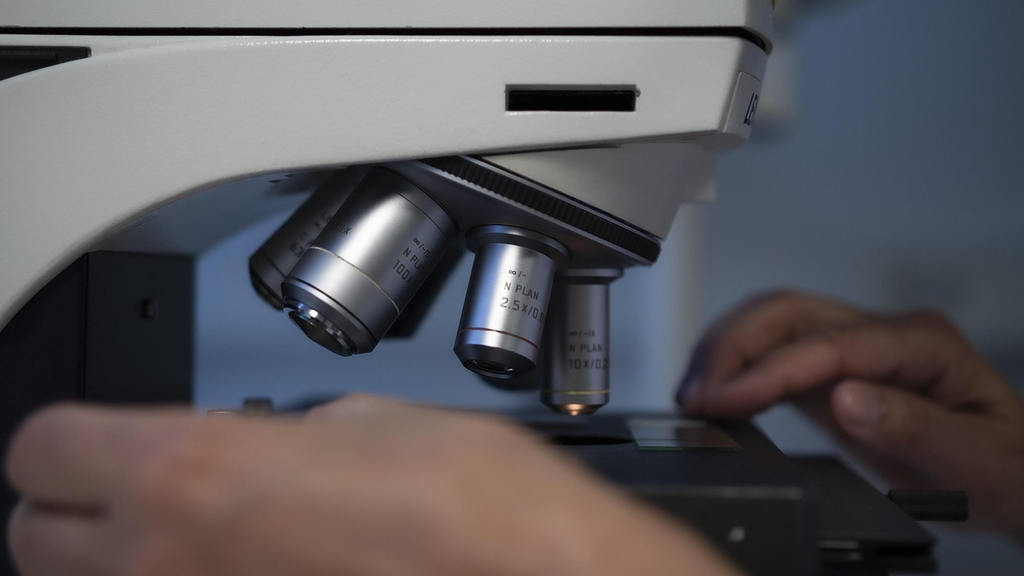
What is a microscope?
An instrument that uses lenses or electrons to magnify tiny objects, enabling detailed study of structures not visible to the naked eye.
How do data loggers work?
They collect measurements from sensors over time and store the data for analysis.