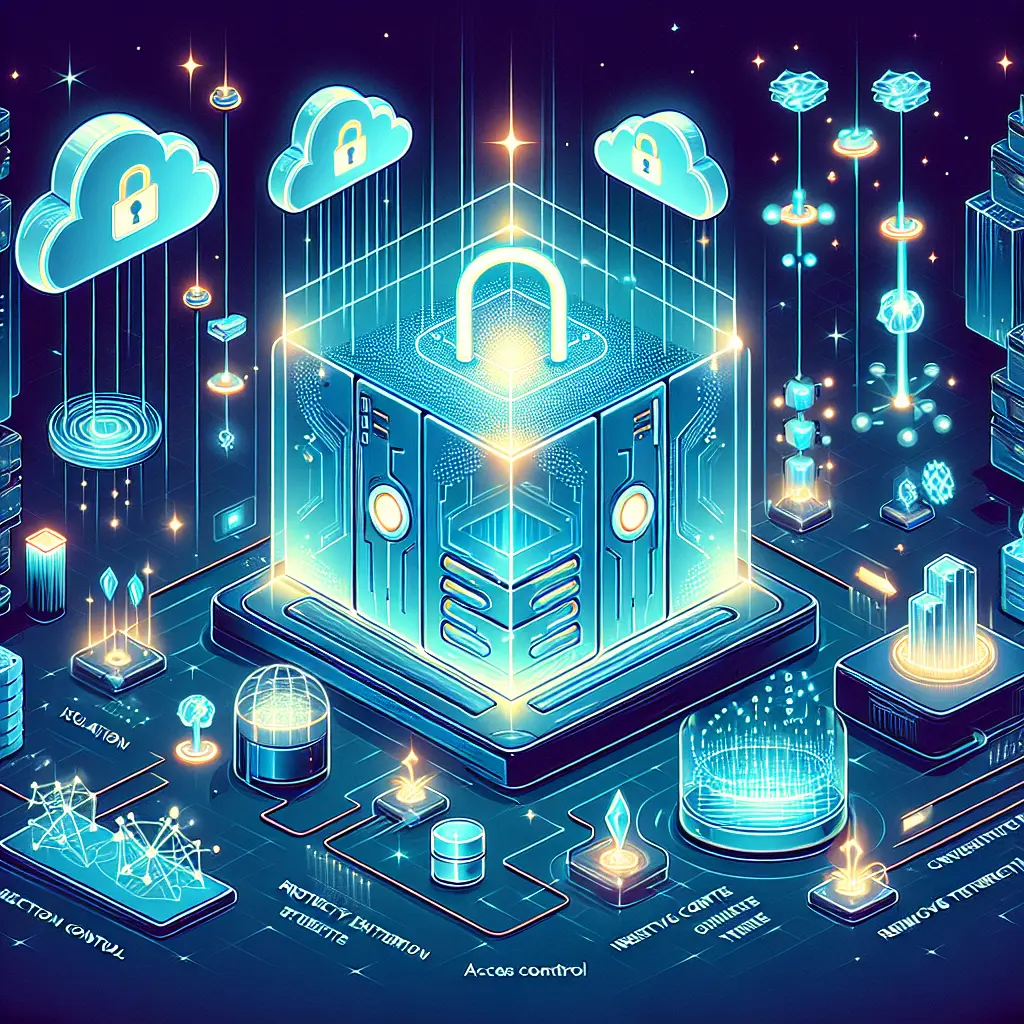
Secure enclave strategies for sensitive model training involve using isolated, hardware-based environments to protect data and computations during machine learning processes. These enclaves ensure that sensitive information, such as proprietary datasets or confidential algorithms, remains inaccessible to unauthorized users, even if the broader system is compromised. By encrypting data in use and strictly controlling access, secure enclaves help organizations comply with privacy regulations and mitigate risks of data breaches during model development and training.
Secure enclave strategies for sensitive model training
Secure enclave strategies for sensitive model training involve using isolated, hardware-based environments to protect data and computations during machine learning processes. These enclaves ensure that sensitive information, such as proprietary datasets or confidential algorithms, remains inaccessible to unauthorized users, even if the broader system is compromised. By encrypting data in use and strictly controlling access, secure enclaves help organizations comply with privacy regulations and mitigate risks of data breaches during model development and training.
💡 Key Takeaways
- Explain how hardware-based enclaves isolate training data and computations to protect sensitive information.
- Describe key enclave concepts such as attestation, sealing, and encryption of in-enclave data.
- Identify common threat models and how secure enclaves mitigate data leakage and model theft during training.
- Assess trade-offs of enclave use, including performance, data size limits, and integration with ML pipelines for governance and QA.
❓ Frequently Asked Questions
What is a secure enclave in the context of sensitive model training?
A hardware-protected, isolated execution environment that runs training code and processes data inside a trusted boundary. It uses memory encryption and attestation to prevent data leakage or tampering, keeping sensitive datasets and proprietary models confidential during training.
How do secure enclaves support AI data governance and quality assurance?
They enforce access controls, ensure data in use stays isolated from the host and other processes, and provide auditable attestations and logs. This helps meet privacy, regulatory, and QA requirements by proving training runs occur in a trusted environment.
What are common strategies for deploying enclaves in model training?
Use hardware TEEs (e.g., Intel SGX, AMD SEV) where possible, run sensitive training steps inside the enclave, manage keys within the enclave, rely on remote attestation, minimize data movement in and out of the enclave, and monitor performance and memory limitations.
What limitations or risks should you consider when using secure enclaves for training?
Enclaves have memory and performance overhead, limited enclave size, potential side-channel risks, and can add integration complexity and vendor dependence. Plan for secure key management, fallback paths, and ongoing QA and auditing.