Security, surveillance, and civil liberties refer to the balance between protecting a nation or community from threats through monitoring and data collection, and preserving individual rights and freedoms. Governments often use surveillance to enhance security, but excessive monitoring can infringe on privacy and civil liberties. This ongoing debate centers on finding an appropriate equilibrium where public safety is ensured without compromising fundamental personal rights and democratic values.
Security, Surveillance, and Civil Liberties
Security, surveillance, and civil liberties refer to the balance between protecting a nation or community from threats through monitoring and data collection, and preserving individual rights and freedoms. Governments often use surveillance to enhance security, but excessive monitoring can infringe on privacy and civil liberties. This ongoing debate centers on finding an appropriate equilibrium where public safety is ensured without compromising fundamental personal rights and democratic values.
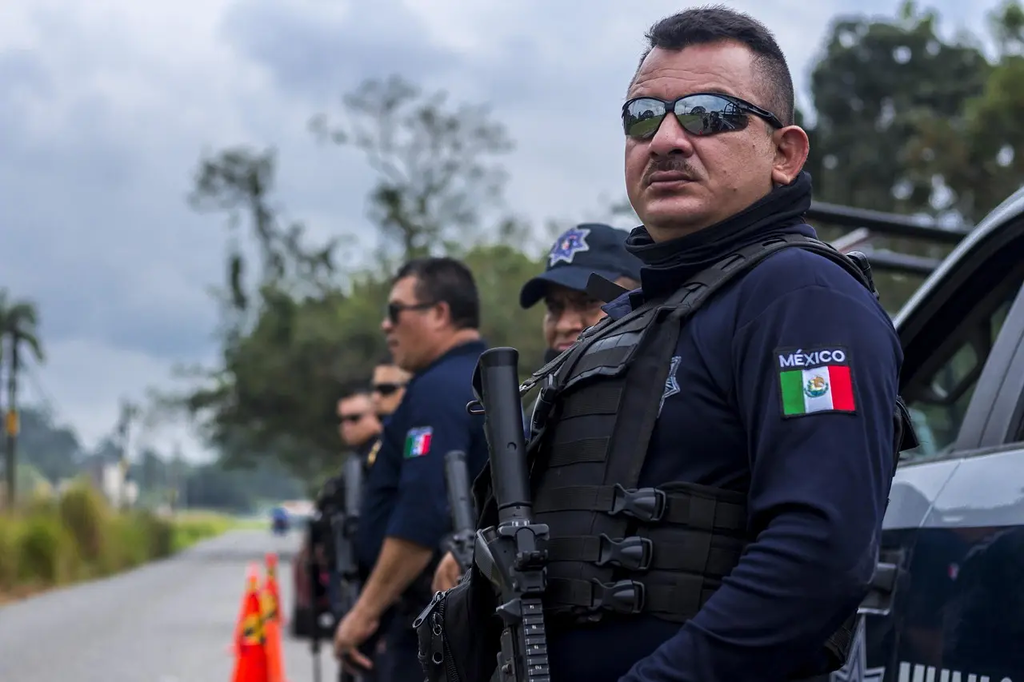
💡 Key Takeaways
- Understand the trade-offs between public safety measures and protecting individual privacy during festivals worldwide.
- Identify common surveillance technologies used at large events and weigh their intended benefits against privacy risks.
- Evaluate ethical and legal considerations such as consent, data collection and retention, and the principle of proportionality.
- Analyze real-world case studies of festivals around the world to see how security needs and civil liberties are balanced in practice.
❓ Frequently Asked Questions
What is the balance between security, surveillance, and civil liberties in the context of festivals worldwide?
It is balancing safety and threat prevention through monitoring with protecting individuals' privacy, freedoms, and rights.
What are common surveillance methods at large festivals, and how can they affect civil liberties?
Methods include CCTV, bag checks, ID verification, and data from event apps. They enhance security but can raise privacy and consent concerns.
What principle should guide surveillance to minimize rights infringements?
Proportionality and necessity: measures should be necessary, effective, and the least intrusive possible.
How can festival attendees protect their civil liberties while participating in events?
Review privacy notices, limit unnecessary data sharing, use trusted apps, and support transparent data practices.