A seed fundraising strategy outlines the approach a startup takes to secure its initial capital from investors. It typically involves identifying target investors, crafting a compelling pitch, preparing necessary documents like a business plan and financial projections, and determining the amount to raise. The strategy also includes setting a valuation, deciding on equity to offer, and planning outreach and follow-ups to build relationships and close funding rounds efficiently.
Seed Fundraising Strategy
A seed fundraising strategy outlines the approach a startup takes to secure its initial capital from investors. It typically involves identifying target investors, crafting a compelling pitch, preparing necessary documents like a business plan and financial projections, and determining the amount to raise. The strategy also includes setting a valuation, deciding on equity to offer, and planning outreach and follow-ups to build relationships and close funding rounds efficiently.
💡 Key Takeaways
- Identify target investors and tailor outreach to their check sizes, focus areas, and decision-making processes.
- Craft a compelling seed pitch deck that clearly communicates the problem, solution, market size, traction, business model, and team.
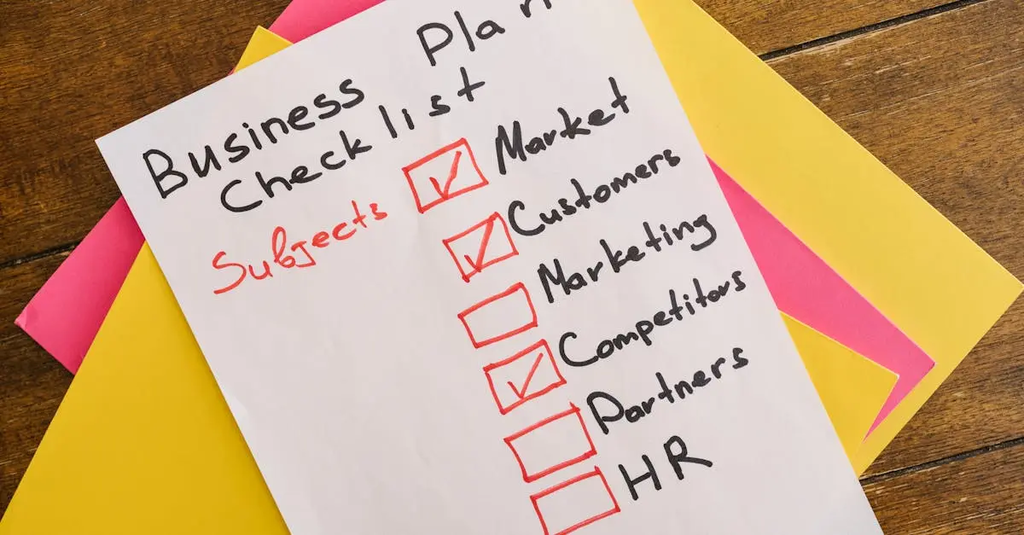
- Prepare essential documents such as a business plan, financial projections, and a cap table, along with a clear funding ask.
- Determine the appropriate seed amount and equity to offer, and map a fundraising timeline with milestones and use of funds.
❓ Frequently Asked Questions
What is seed fundraising in entrepreneurship?
Seed fundraising is the process of securing early-stage capital from investors to fund product development and market validation, typically in exchange for equity or convertible notes.
Who are typical target investors in a seed round?
Seed investors often include angel investors, seed-focused venture funds, early-stage accelerators, and sometimes friends and family who understand the market and are willing to invest at this stage.
What documents are typically prepared for seed fundraising?
Key documents include a concise pitch deck, an executive summary or business plan, basic financial projections, a cap table, and a clear use-of-funds statement.
How do you determine the amount to raise in a seed round?
Calculate the runway needed to reach milestones (product development, early traction, validation), estimate costs, and set an equity offer that makes sense for investors while leaving enough capital for the next round.
What makes a seed pitch compelling?
A strong problem-solution fit, a sizable addressable market, a credible business model, early traction or milestones, a capable team, and a clear, justified use of funds.