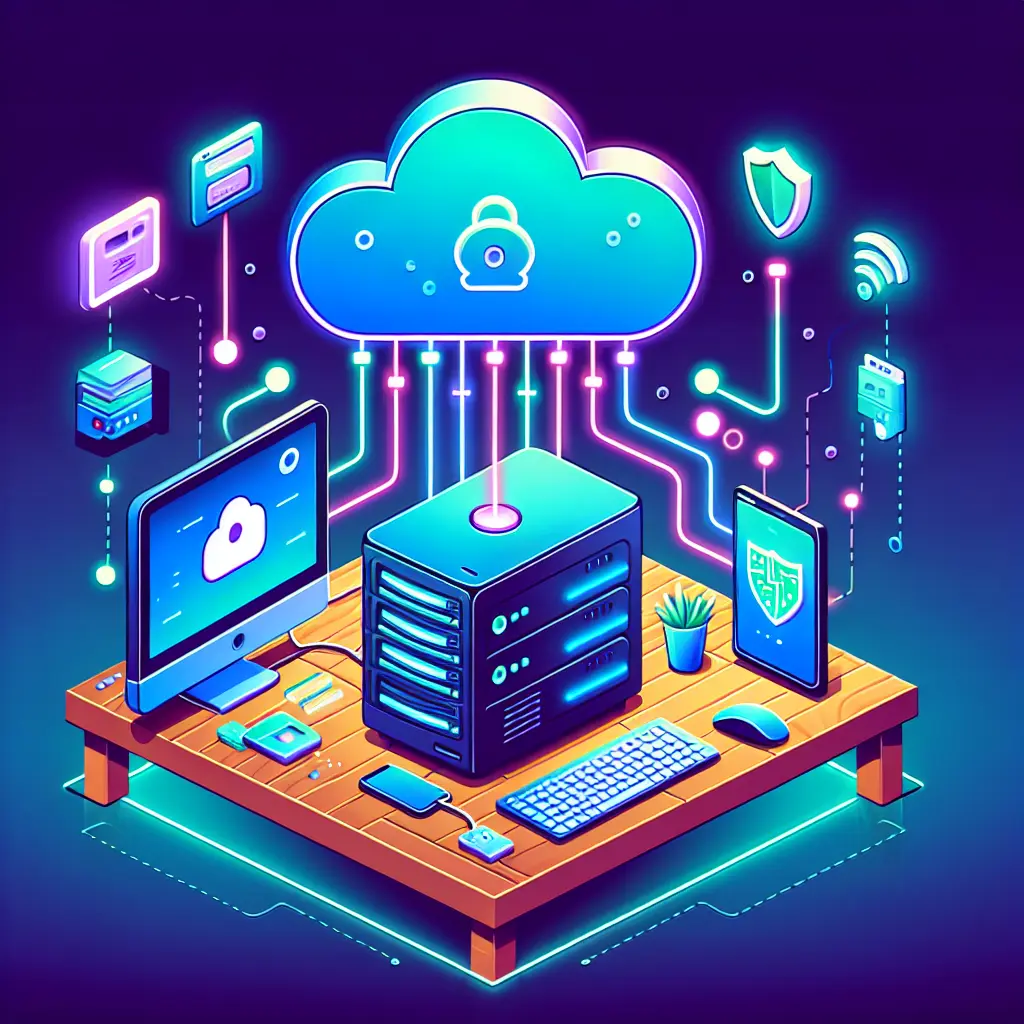
Self-hosted services like Nextcloud and Pi-hole empower users to manage their own data and network privacy. Nextcloud provides a private cloud platform for file storage, sharing, and collaboration, giving users full control over their information. Pi-hole acts as a network-wide ad blocker, filtering unwanted content before it reaches devices. Together, they enhance privacy, reduce reliance on third-party providers, and offer customizable, secure alternatives to mainstream cloud and ad-blocking solutions.
Self‑Hosted Services: Nextcloud and Pi‑hole
Self-hosted services like Nextcloud and Pi-hole empower users to manage their own data and network privacy. Nextcloud provides a private cloud platform for file storage, sharing, and collaboration, giving users full control over their information. Pi-hole acts as a network-wide ad blocker, filtering unwanted content before it reaches devices. Together, they enhance privacy, reduce reliance on third-party providers, and offer customizable, secure alternatives to mainstream cloud and ad-blocking solutions.
💡 Key Takeaways
- Understand self-hosting and how it differs from using external cloud services
- Learn Nextcloud's core features: private file storage, sharing, and collaboration with data control
- Learn how Pi-hole blocks ads at the network level to boost privacy and network performance
- Identify essential home self-hosting considerations (hardware, security, backups, and updates)
❓ Frequently Asked Questions
What is Nextcloud and what can you do with it?
Nextcloud is a self-hosted private cloud for file storage, sharing, and collaboration. It lets you sync files across devices, share with others via links and permissions, and use apps for calendars, notes, and co-editing.
What is Pi-hole and how does it protect your network?
Pi-hole runs as a DNS sinkhole that blocks ad and tracking domains for all devices on your network, reducing ads and clutter. Set your router or devices to use Pi-hole as their DNS server.
Why might you choose self-hosting over cloud services?
Self-hosting gives you data ownership and stronger privacy, plus offline access and fewer third-party dependencies. It does require you to handle maintenance, hardware, backups, and security updates.
What are the basic steps to set up Nextcloud or Pi-hole at home?
Choose suitable hardware (e.g., Raspberry Pi or a small server), install a Linux-based OS, then install Nextcloud or Pi-hole (via official installers or Docker). Configure storage and users (Nextcloud) or DNS settings (Pi-hole), set up backups, and keep software updated.