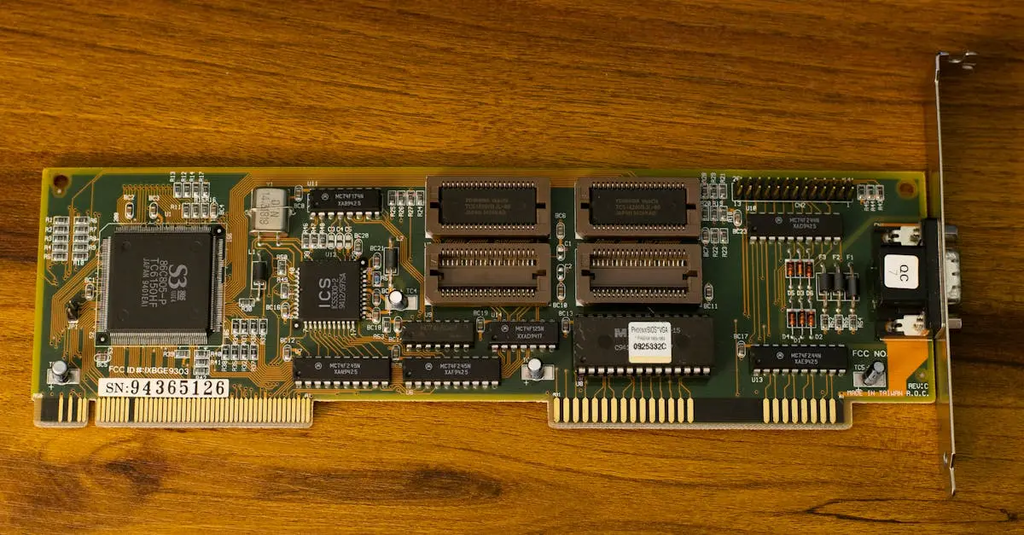
Semiconductors are materials with electrical conductivity between conductors and insulators, essential for modern electronics. Integrated circuits (ICs) are compact assemblies of electronic components like transistors, resistors, and capacitors fabricated onto a single semiconductor chip, usually silicon. Together, semiconductors and ICs form the foundation of devices such as computers, smartphones, and appliances, enabling complex operations, miniaturization, and high-speed data processing in today’s technological world.
Semiconductors and Integrated Circuits
Semiconductors are materials with electrical conductivity between conductors and insulators, essential for modern electronics. Integrated circuits (ICs) are compact assemblies of electronic components like transistors, resistors, and capacitors fabricated onto a single semiconductor chip, usually silicon. Together, semiconductors and ICs form the foundation of devices such as computers, smartphones, and appliances, enabling complex operations, miniaturization, and high-speed data processing in today’s technological world.
💡 Key Takeaways
- Understand what semiconductors are and why silicon enables controllable conductivity.
- Learn what an integrated circuit is and how it packs transistors, resistors, and capacitors on one chip.
- See how semiconductor technology drives modern electronics and American innovation.
- Recognize how IC miniaturization leads to smaller, faster, and more power-efficient devices.
❓ Frequently Asked Questions
What is a semiconductor?
A material with electrical conductivity between a conductor and an insulator, whose charge flow can be precisely controlled. Silicon is the most common example, and properties are tuned by doping.
What is an integrated circuit (IC)?
A compact chip that packs many components—transistors, resistors, and capacitors—onto a single semiconductor substrate (usually silicon) to perform complex electronic functions.
How do transistors relate to ICs?
Transistors are the basic switches and amplifiers inside ICs; modern ICs contain millions to billions of transistors to implement circuits.
Why are semiconductors essential to modern electronics?
They enable controlled current flow, allow tiny, efficient devices, and support the functionality of computers, smartphones, sensors, and other electronics.