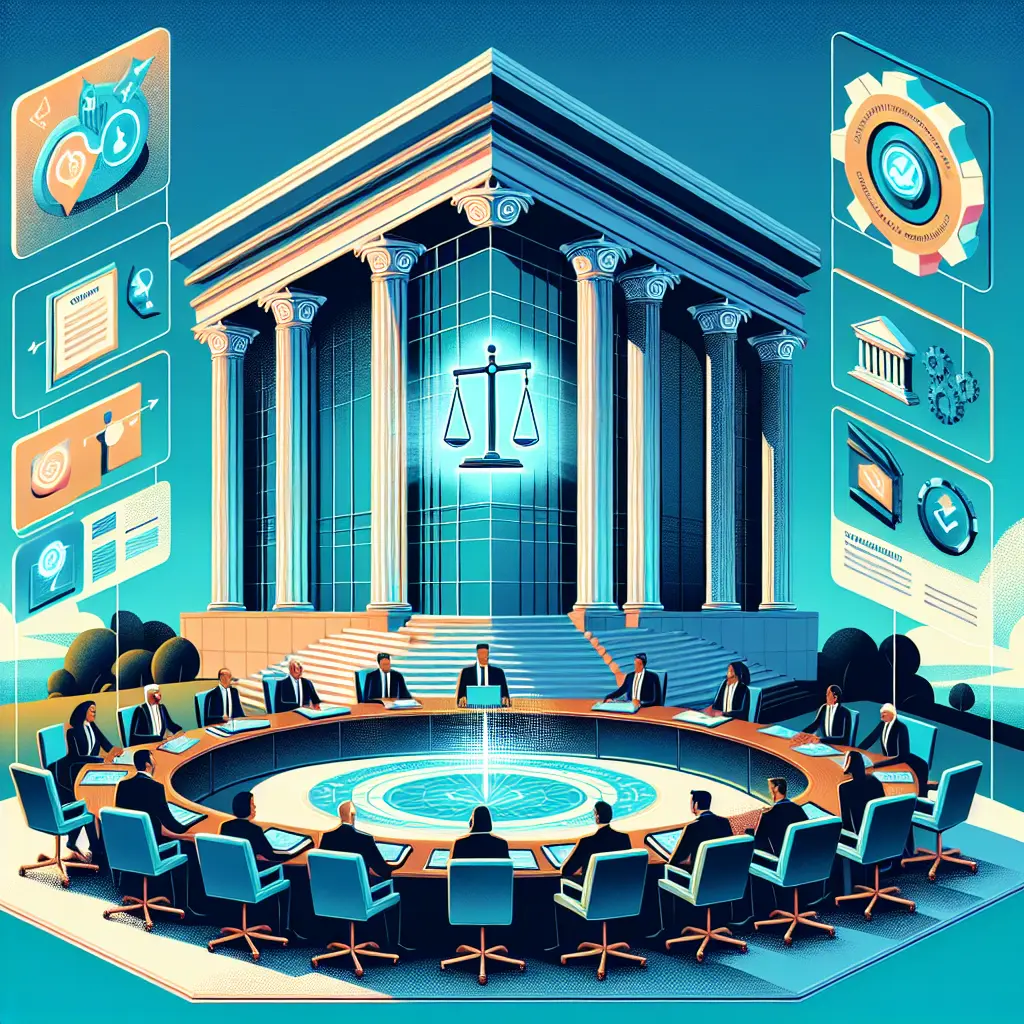
Separation of powers is a foundational principle in democratic governance that divides government responsibilities into distinct branches—typically the legislative, executive, and judicial. Each branch has its own powers and functions, ensuring that no single entity holds excessive authority. This structure promotes a system of checks and balances, preventing abuse of power and safeguarding individual freedoms by allowing each branch to limit the actions of the others, thus maintaining a balanced government.
Separation of Powers Overview+50
Separation of powers is a foundational principle in democratic governance that divides government responsibilities into distinct branches—typically the legislative, executive, and judicial. Each branch has its own powers and functions, ensuring that no single entity holds excessive authority. This structure promotes a system of checks and balances, preventing abuse of power and safeguarding individual freedoms by allowing each branch to limit the actions of the others, thus maintaining a balanced government.
💡 Key Takeaways
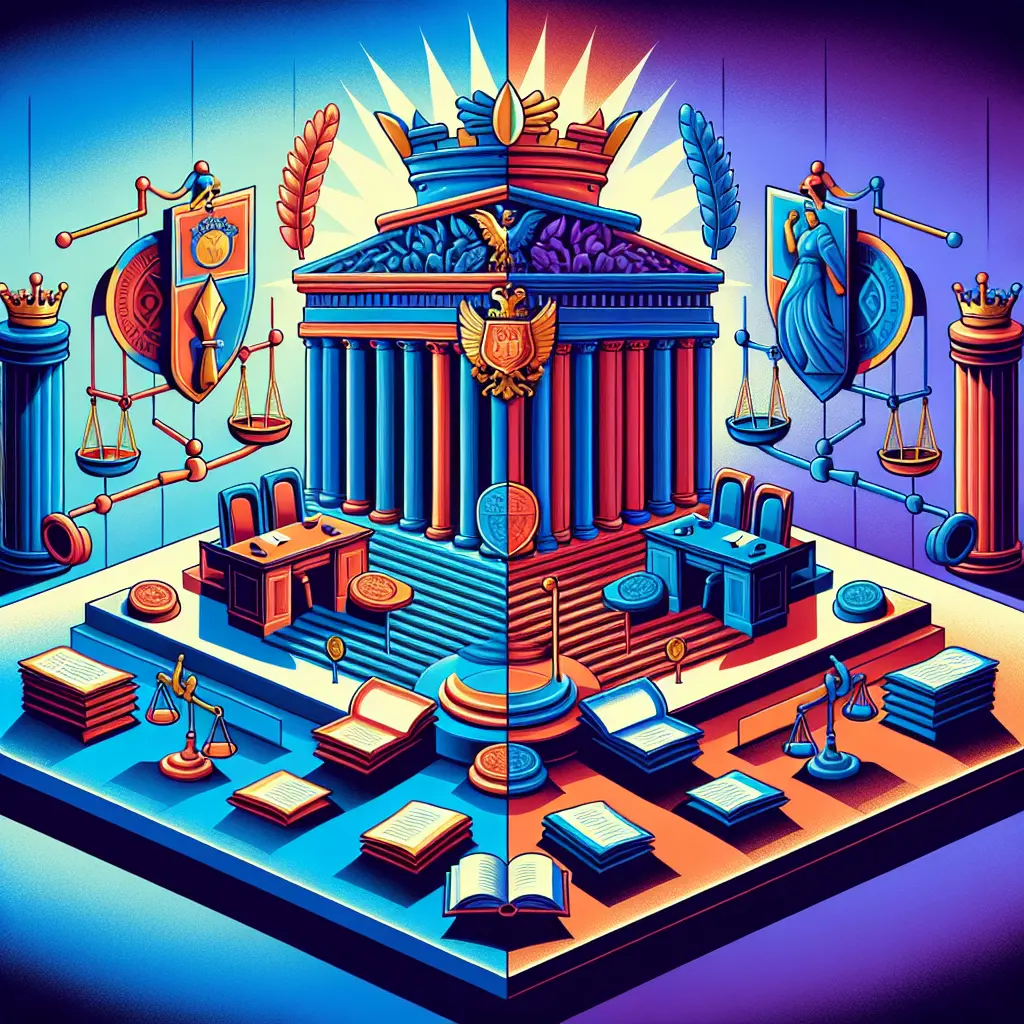
- Identify the three branches (legislative, executive, judicial) and their main responsibilities.
- Explain how checks and balances prevent the concentration of power.
- Describe how laws are made by the legislative branch, enforced by the executive, and interpreted by the judiciary.
- Understand how separation of powers promotes accountability and protects individual rights.
❓ Frequently Asked Questions
What is the separation of powers?
A constitutional principle that divides government into three branches—legislative, executive, and judicial—to prevent the concentration of power and provide checks and balances.
What are the main roles of the three branches?
Legislative makes laws and approves budgets; the executive enforces laws and runs the government; the judiciary interprets laws and settles disputes.
What are checks and balances?
Each branch has power to limit the others (e.g., vetoes, appointments, and judicial review) to prevent any one branch from becoming too powerful.
Why is separation of powers important?
It prevents tyranny, protects individual rights, and promotes accountability by ensuring multiple institutions must agree before actions become law.