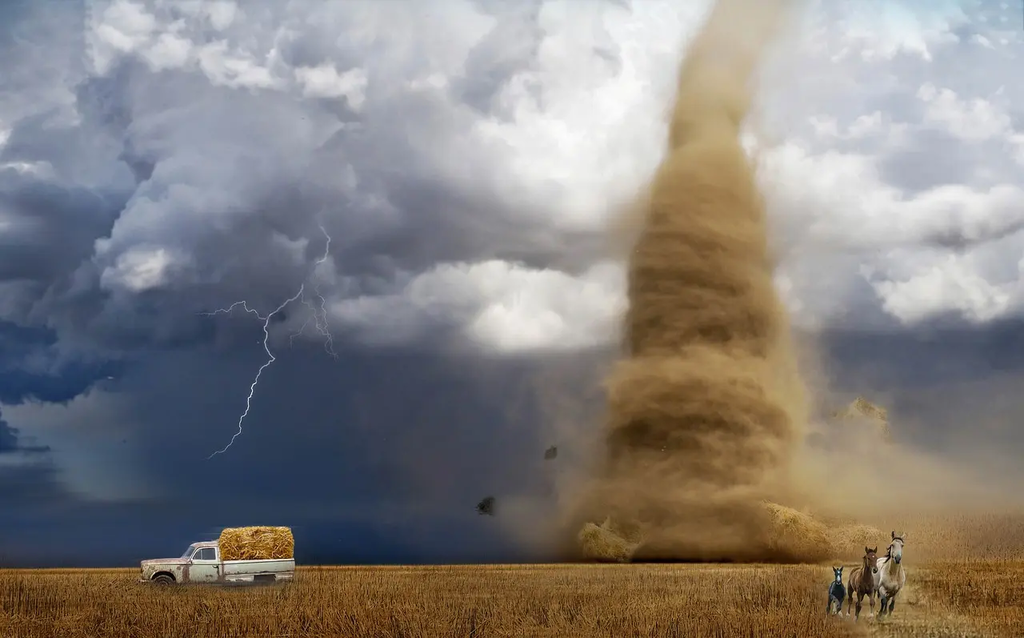
Severe convective outbreaks refer to weather events characterized by the rapid development of intense thunderstorms over a large area. These storms often produce hazardous conditions such as damaging winds, large hail, torrential rainfall, and sometimes tornadoes. Such outbreaks are typically fueled by strong atmospheric instability, moisture, and wind shear, resulting in widespread and potentially destructive impacts. They pose significant risks to life, property, and infrastructure, requiring prompt warnings and preparedness measures.
Severe Convective Outbreaks
Severe convective outbreaks refer to weather events characterized by the rapid development of intense thunderstorms over a large area. These storms often produce hazardous conditions such as damaging winds, large hail, torrential rainfall, and sometimes tornadoes. Such outbreaks are typically fueled by strong atmospheric instability, moisture, and wind shear, resulting in widespread and potentially destructive impacts. They pose significant risks to life, property, and infrastructure, requiring prompt warnings and preparedness measures.

💡 Key Takeaways
- Understand what severe convective outbreaks are and the main hazards they pose (damaging winds, large hail, torrential rain, and tornadoes).
- Identify the atmospheric ingredients that fuel outbreaks: instability, moisture, lift, and wind shear.
- Recognize when and where outbreaks are most likely to occur (seasonal patterns and mesoscale convective systems).
- Learn how meteorologists forecast and communicate risk (indices like CAPE and wind shear, watches vs warnings) and what actions to take during warnings.
❓ Frequently Asked Questions
What is a severe convective outbreak?
A large-scale weather event with rapid development of intense thunderstorms over a wide area, capable of damaging winds, large hail, flash flooding, and sometimes tornadoes.
What atmospheric conditions fuel these outbreaks?
Plenty of moisture, strong atmospheric instability (high CAPE), lifting mechanisms (like fronts or boundaries), and wind shear to organize storms.
What hazards are commonly associated with severe convective outbreaks?
Damaging winds, large hail, torrential rainfall causing flash flooding, and occasionally tornadoes.
How do meteorologists forecast and warn about outbreaks?
They use observations and computer models to assess instability, moisture, lift, and wind shear; radar and satellite data track storms; and they issue watches and warnings to keep people safe.