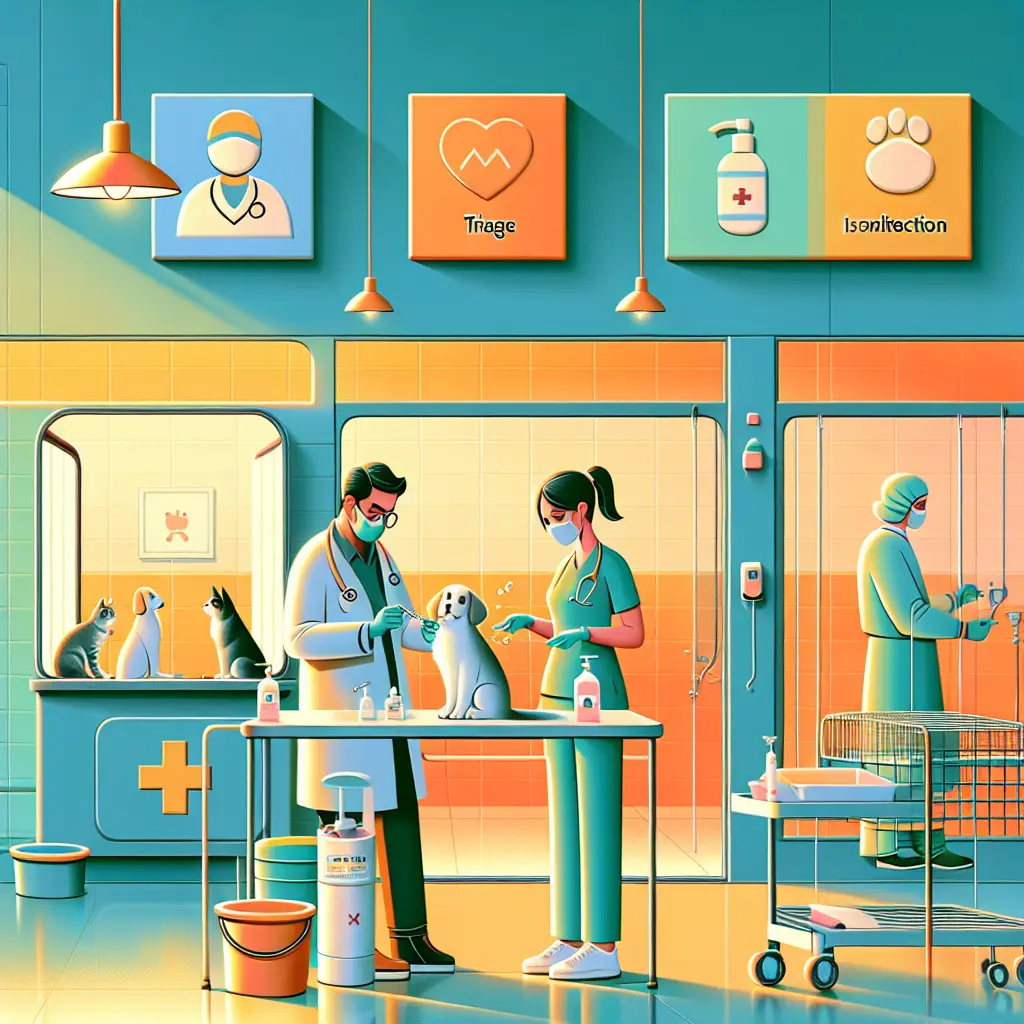
Shelter Intake and Foster Care Basics refer to the initial process of admitting animals into a shelter and the fundamental principles of placing them in temporary foster homes. Intake involves assessing animals’ health, behavior, and needs, while foster care provides a safe, nurturing environment until adoption or permanent placement. Understanding these basics helps ensure animals receive proper care, reduces shelter overcrowding, and increases their chances of successful adoption.
Shelter Intake and Foster Care Basics
Shelter Intake and Foster Care Basics refer to the initial process of admitting animals into a shelter and the fundamental principles of placing them in temporary foster homes. Intake involves assessing animals’ health, behavior, and needs, while foster care provides a safe, nurturing environment until adoption or permanent placement. Understanding these basics helps ensure animals receive proper care, reduces shelter overcrowding, and increases their chances of successful adoption.

💡 Key Takeaways
- Understand the shelter intake process, including health checks, behavior observation, and documentation.
- Learn how to assess an animal's medical needs and behavioral state at intake to guide care.
- Understand the purpose and benefits of foster care for shelter animals and volunteers.
- Identify best practices for placing animals in foster homes, including matching, safety, and ongoing support.
❓ Frequently Asked Questions
What is shelter intake?
The process of admitting an animal to a shelter, including initial paperwork and basic checks to determine its next steps.
What happens during shelter intake?
Staff assess health, behavior, and needs—checking for illness or injuries, noting temperament, and recording details like age and vaccination status.
What is foster care in a shelter context?
A temporary arrangement where a trained foster family provides a safe, caring home for an animal until it can be adopted.
Why is foster care beneficial for animals?
Foster care reduces stress, supports medical or behavior needs, aids socialization, and can speed up successful adoptions.