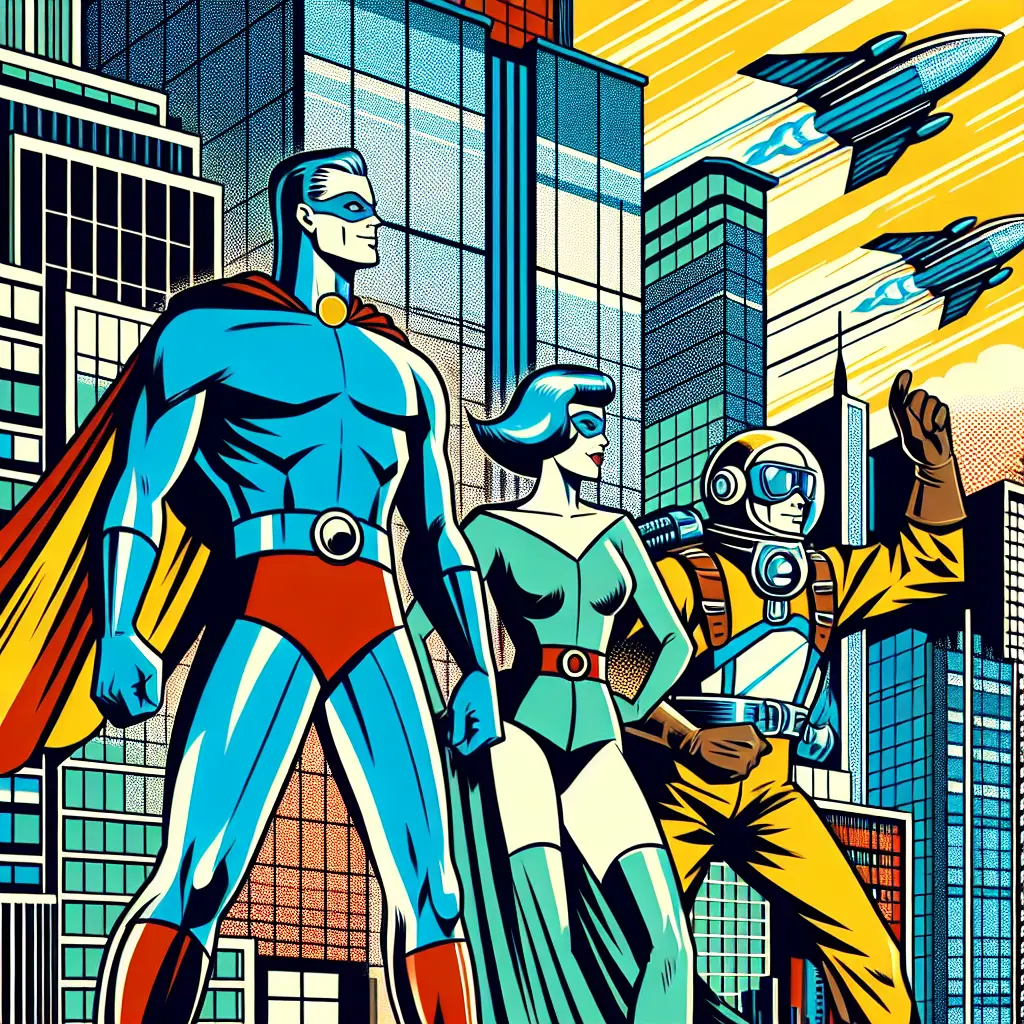
The Silver Age (1950–1967) refers to a period in comic book history marked by a creative resurgence and the introduction of iconic superheroes. During this era, publishers like DC and Marvel revitalized classic characters such as The Flash, Green Lantern, and introduced new ones like Spider-Man and the Fantastic Four. The Silver Age is characterized by imaginative storytelling, vibrant artwork, and a shift toward science fiction themes, greatly influencing modern comics.
Silver Age (1950–1967)
The Silver Age (1950–1967) refers to a period in comic book history marked by a creative resurgence and the introduction of iconic superheroes. During this era, publishers like DC and Marvel revitalized classic characters such as The Flash, Green Lantern, and introduced new ones like Spider-Man and the Fantastic Four. The Silver Age is characterized by imaginative storytelling, vibrant artwork, and a shift toward science fiction themes, greatly influencing modern comics.
💡 Key Takeaways
- Define the Silver Age (1950–1967) and how it shifted superhero storytelling from the Golden Age.
- See how The Flash and Green Lantern were revitalized with modern origins and science-based powers.
- Explore Marvel's rise with Spider-Man and the move toward character-driven, serialized storytelling.
- Understand the era's innovations in cross-title continuity and the early idea of a shared superhero universe.
- Recognize the broader cultural and industry context, including editorial direction and the Comics Code Authority, and how these influenced later adaptations in animation and film.
❓ Frequently Asked Questions
What is the Silver Age of Comics and when did it take place?
A period roughly 1950–1967 marked by a revival of superhero storytelling, science-inspired plots, and fresh takes on classic heroes.
Which publishers were central to the Silver Age, and what changes did they bring?
DC and Marvel led the revival: DC updated The Flash and Green Lantern, while Marvel introduced new heroes like Spider-Man and built a shared superhero universe.
Which characters are iconic to the Silver Age?
DC’s The Flash (Barry Allen) and Green Lantern (Hal Jordan) were reimagined for the era, and Marvel introduced Spider-Man in 1962.
How did Silver Age storytelling differ from earlier eras?
It emphasized science-inspired plots, brighter artwork, more relatable heroes, and cross-title crossover storytelling that shaped a connected universe.
Is Disney or Pixar involved in the Silver Age?
Not directly—the Silver Age refers to DC/Marvel superhero comics (1950–1967). Disney and Pixar are animation studios with separate timelines (Marvel later became part of Disney, but that’s after the Silver Age).