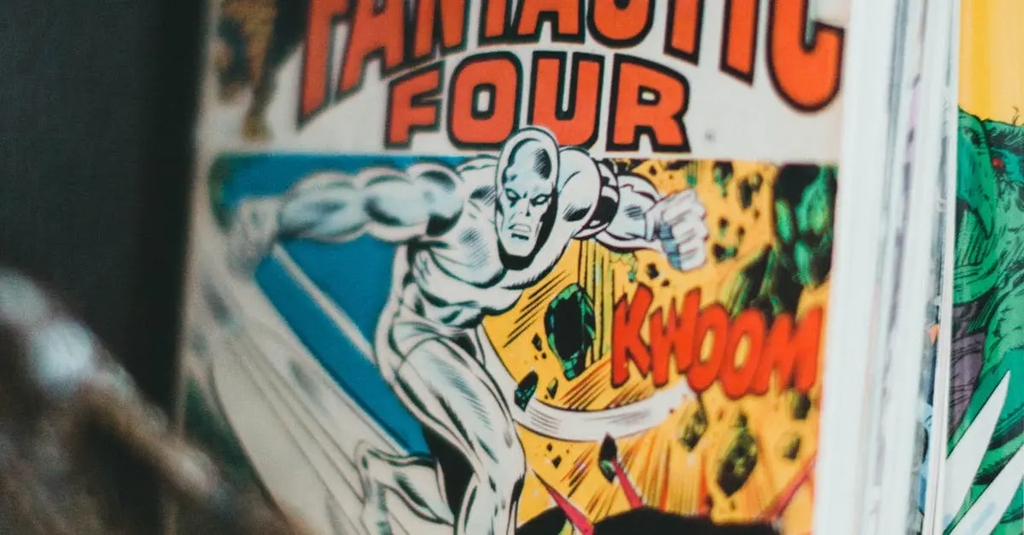
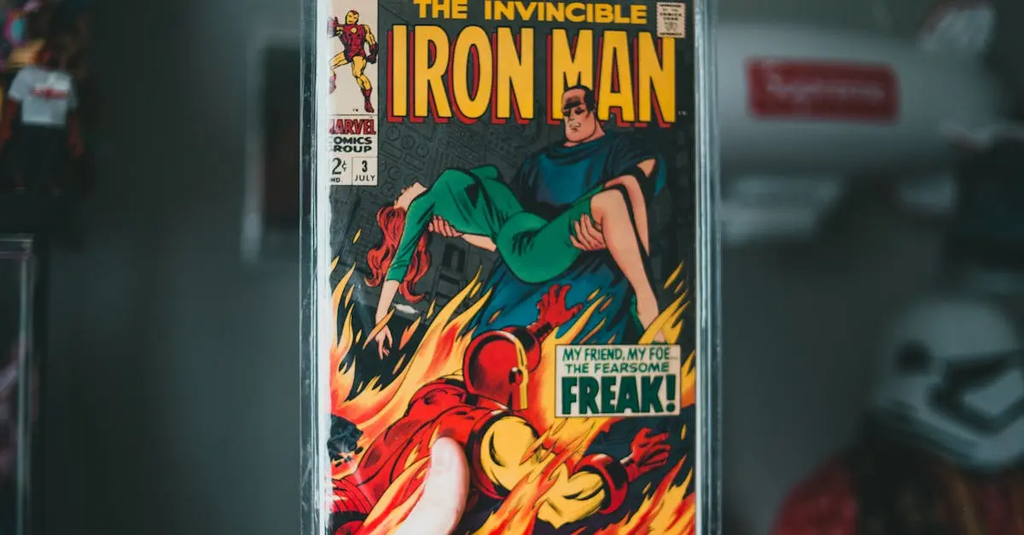
Silver Age Comics refers to a period in comic book history, roughly from the mid-1950s to the early 1970s, marked by a creative resurgence and the introduction of iconic superheroes like the modern versions of The Flash, Green Lantern, and Spider-Man. This era is characterized by imaginative storytelling, innovative artwork, and a shift toward more complex characters and themes, laying the foundation for the superhero genre’s enduring popularity.
Silver Age Comics
Silver Age Comics refers to a period in comic book history, roughly from the mid-1950s to the early 1970s, marked by a creative resurgence and the introduction of iconic superheroes like the modern versions of The Flash, Green Lantern, and Spider-Man. This era is characterized by imaginative storytelling, innovative artwork, and a shift toward more complex characters and themes, laying the foundation for the superhero genre’s enduring popularity.

💡 Key Takeaways
- Identify the Silver Age era (mid-1950s to early-1970s) and its optimistic, imaginative tone.
- Explain how The Flash, Green Lantern, and Spider-Man were reinvented with modern origins and powers.
- Understand the era's shift in storytelling and art, with science-fiction influences and more character-driven plots.
- Recognize the lasting impact of Silver Age comics on later superhero storytelling and pop culture.
❓ Frequently Asked Questions
What is the Silver Age of Comics?
A period roughly from the mid-1950s to the early 1970s marked by a creative revival, revised superhero origins, and the introduction of modern versions of heroes.
When did the Silver Age take place?
Approximately from the mid-1950s through the early 1970s.
Which heroes were modernized during this era?
The Flash (Barry Allen), Green Lantern (Hal Jordan), and Spider-Man (Peter Parker) were reimagined, among many others.
What are the hallmark features of Silver Age comics?
Brighter art, science-fiction-inspired plots, retconned origins, a mix of heroism and humor, and a shift toward more modern superhero storytelling.