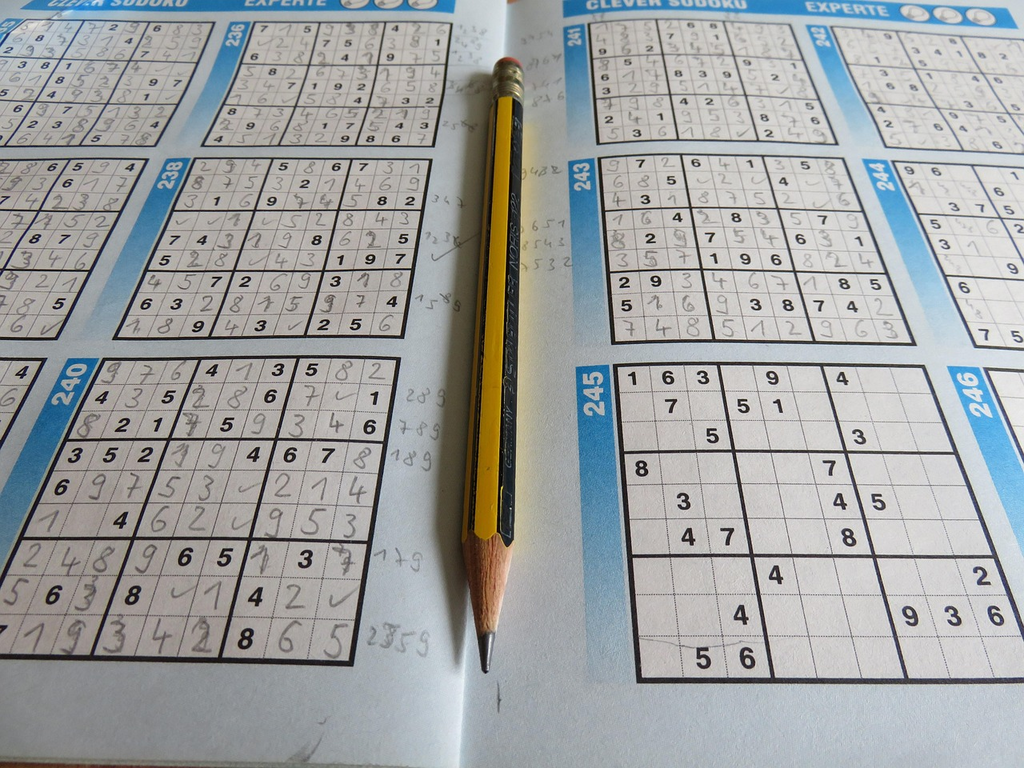
Simple Logic Puzzles (Puzzles for All Ages) are engaging brainteasers designed to challenge and entertain individuals of any age group. These puzzles typically involve patterns, sequences, or deductive reasoning, encouraging critical thinking and problem-solving skills. They range from easy riddles to more complex scenarios, making them accessible and enjoyable for both children and adults. Simple logic puzzles are great for learning, mental exercise, and fun, often used in classrooms or family game nights.
Simple Logic Puzzles
Simple Logic Puzzles (Puzzles for All Ages) are engaging brainteasers designed to challenge and entertain individuals of any age group. These puzzles typically involve patterns, sequences, or deductive reasoning, encouraging critical thinking and problem-solving skills. They range from easy riddles to more complex scenarios, making them accessible and enjoyable for both children and adults. Simple logic puzzles are great for learning, mental exercise, and fun, often used in classrooms or family game nights.

💡 Key Takeaways
- Improve logical reasoning through regular practice with simple logic puzzles.
- Identify and apply common puzzle types and strategies (deduction, pattern recognition, sequencing).
- Build a step-by-step problem-solving approach to minimize guesswork.
- Enhance concentration and cognitive flexibility with beginner-friendly logic challenges.
❓ Frequently Asked Questions
What is a simple logic puzzle?
A puzzle where you deduce the correct arrangement or pairing by applying clues and logical reasoning, without guessing.
What is the best approach to solving these puzzles?
Read all clues carefully, make a grid or list of possibilities, and use elimination to narrow options until each item has a single place.
How does the process of elimination work?
Cross out impossible options based on clues; when only one option remains for something, assign it and propagate the new constraint to others.
What types of clues should I look for?
Direct assignments, ordering relations (before/after), exclusions, and relative positions or pairings that limit options.
How can I verify my solution?
Check every clue against the final arrangement to ensure no clue is violated and every item has exactly one valid position or match.