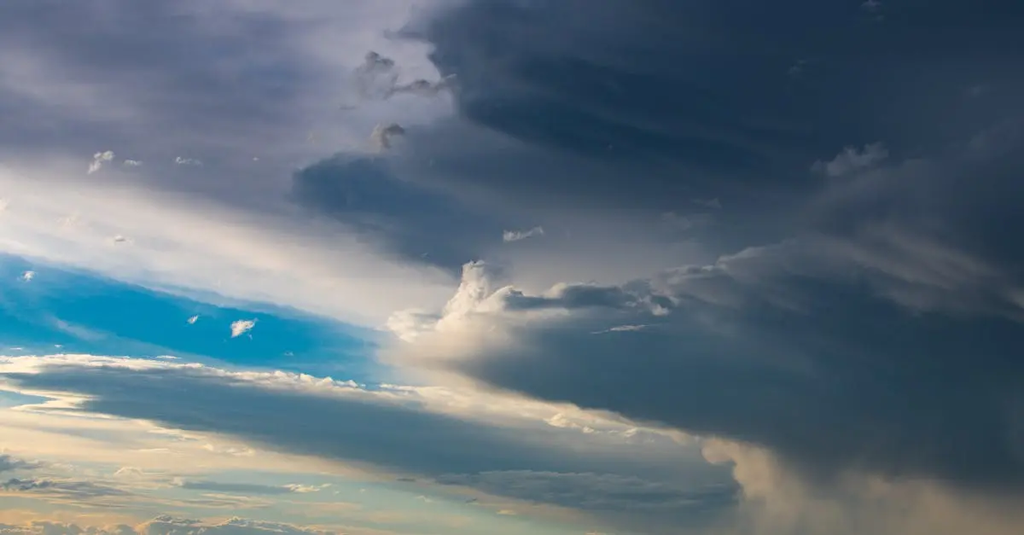
Simple science facts are straightforward, easy-to-understand pieces of information about the natural world, often based on basic scientific principles. These facts help explain how things work around us, such as why the sky is blue, how plants make food through photosynthesis, or that water boils at 100°C at sea level. They are designed to introduce fundamental scientific concepts in a clear and accessible way for learners of all ages.
Simple Science Facts+50
Simple science facts are straightforward, easy-to-understand pieces of information about the natural world, often based on basic scientific principles. These facts help explain how things work around us, such as why the sky is blue, how plants make food through photosynthesis, or that water boils at 100°C at sea level. They are designed to introduce fundamental scientific concepts in a clear and accessible way for learners of all ages.
💡 Key Takeaways
- Explain in simple terms why the sky looks blue by describing light scattering in the atmosphere.
- Summarize the basics of photosynthesis: plants convert light, water, and carbon dioxide into glucose and oxygen.
- State the boiling point of water at sea level (100°C/212°F) and explain how temperature and pressure affect boiling.
- Recognize that many everyday facts have straightforward explanations based on basic scientific principles and can be expressed in plain language.
❓ Frequently Asked Questions
Why is the sky blue?
Sunlight is white light, but air molecules scatter blue light more. This scattered blue light comes from all directions, making the sky look blue.
How do plants make food through photosynthesis?
Plants use chlorophyll to capture sunlight and convert carbon dioxide and water into glucose (their food) and oxygen.
Why does water boil at 100°C at sea level?
Boiling happens when water's vapor pressure equals the surrounding air pressure. At sea level (1 atmosphere), this occurs near 100°C; the boiling point is lower at higher altitudes.
Why does ice float on water?
Ice is less dense than liquid water, so it floats. When water freezes, it expands, becoming less dense than the liquid form.