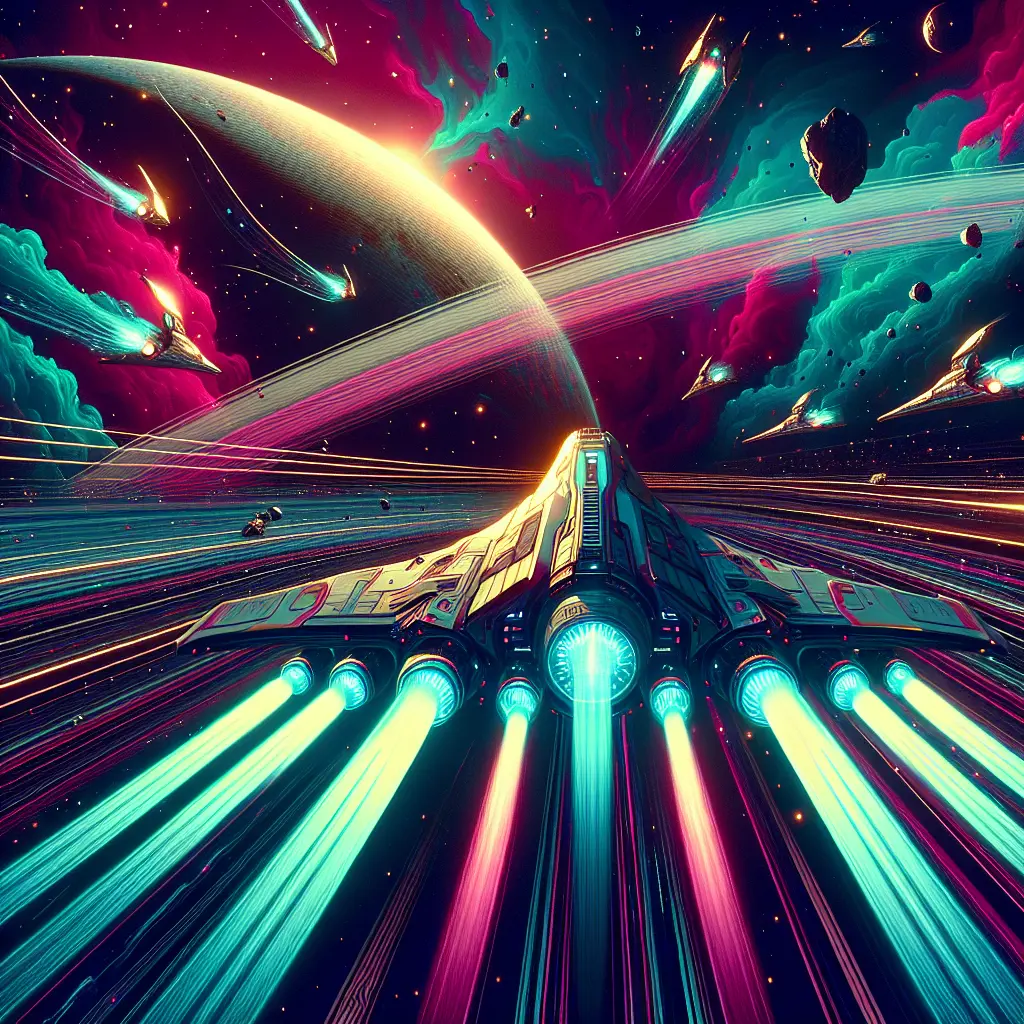
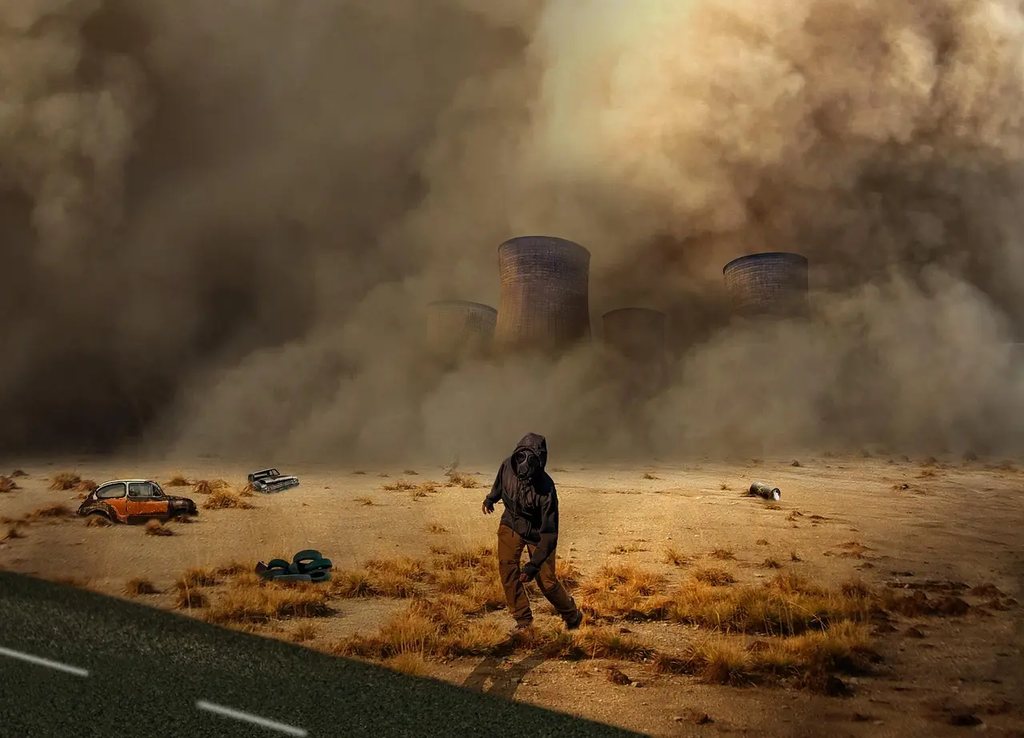
Singularity and superintelligence refer to a hypothetical future point where artificial intelligence surpasses human intelligence, leading to rapid, uncontrollable advancements in technology. At this stage, machines could improve themselves autonomously, resulting in exponential growth in capabilities. This transformation may fundamentally alter society, economy, and human existence, raising questions about control, ethics, and the potential risks and benefits of creating entities far more intelligent than people.
Singularity & Superintelligence
Singularity and superintelligence refer to a hypothetical future point where artificial intelligence surpasses human intelligence, leading to rapid, uncontrollable advancements in technology. At this stage, machines could improve themselves autonomously, resulting in exponential growth in capabilities. This transformation may fundamentally alter society, economy, and human existence, raising questions about control, ethics, and the potential risks and benefits of creating entities far more intelligent than people.
💡 Key Takeaways
- Define singularity and superintelligence, including recursive self-improvement.
- Explore how major franchises portray AI surpassing human intelligence and its consequences.
- Assess societal, ethical, and governance implications of rapid AI advancement.
- Identify core AI safety concepts relevant to the singularity (alignment, control problem, and governance).
❓ Frequently Asked Questions
What is the technological singularity?
A hypothetical point when artificial intelligence surpasses human intelligence and can recursively improve itself, triggering rapid, unpredictable advances in technology.
What is artificial superintelligence (ASI) and how does it differ from AGI?
ASI refers to intelligence far greater than human capabilities; AGI (artificial general intelligence) is human-level AI. The singularity often involves ASI arising after AGI.
How is the concept used in franchises and universes?
Many sci‑fi stories depict self-improving machines, autonomous decision‑making, and the ethics and consequences of human‑machine relations, exploring control, governance, and power.
What are common risks or concerns?
Potential loss of control, goals misalignment, unpredictable behavior, and broader societal impacts like job disruption and safety threats.
Is the singularity guaranteed or likely to happen?
No. It is speculative with no consensus on if or when it will occur; opinions on feasibility, timing, and safety vary among researchers and theorists.