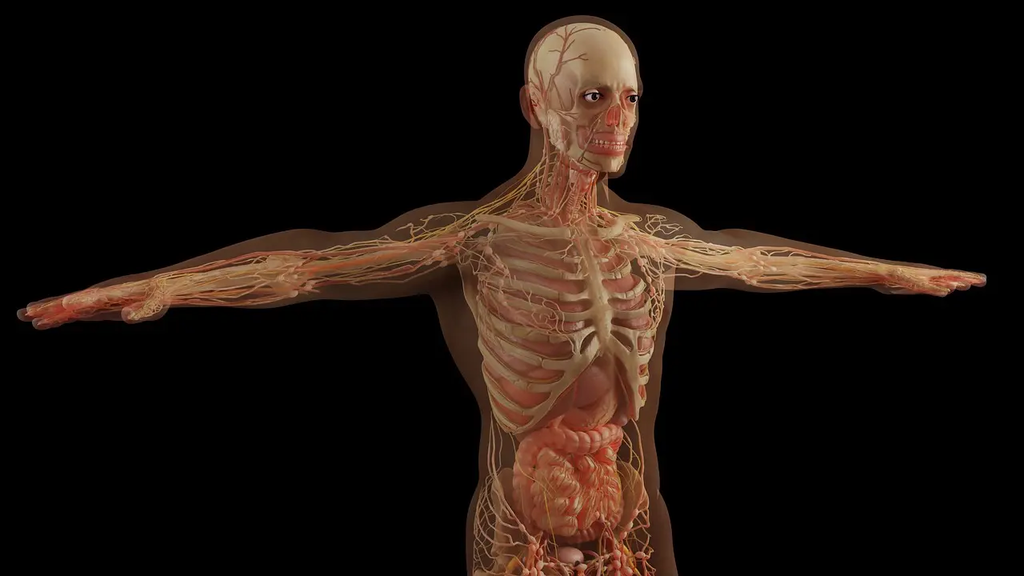
The skeletal system is the framework of bones and cartilage that supports and shapes the human body. It consists of 206 bones in adults, providing structure, protection for internal organs, and enabling movement through joints and muscles. The skeletal system also produces blood cells in the bone marrow and stores essential minerals like calcium and phosphorus. It plays a crucial role in maintaining posture and overall body stability.
Skeletal System Basics+50
The skeletal system is the framework of bones and cartilage that supports and shapes the human body. It consists of 206 bones in adults, providing structure, protection for internal organs, and enabling movement through joints and muscles. The skeletal system also produces blood cells in the bone marrow and stores essential minerals like calcium and phosphorus. It plays a crucial role in maintaining posture and overall body stability.

💡 Key Takeaways
- Identify the skeletal system’s main functions: support, protection, movement, mineral storage, and blood cell production.
- Differentiate bone tissue types (compact vs. spongy) and common bone shapes (long, short, flat, irregular).
- Explain how joints enable movement and name key joint types (hinge, ball-and-socket).
- Understand bone health basics, including remodeling, calcium and vitamin D, and the role of weight-bearing exercise.
❓ Frequently Asked Questions
What is the skeletal system?
The framework of bones and cartilage that supports the body, protects organs, enables movement, stores minerals, and makes blood cells.
What are the main functions of the skeletal system?
Support and shape the body, protect vital organs, enable movement with muscles, store minerals (calcium and phosphorus), and produce blood cells in bone marrow.
What are the two main categories of bones in the human skeleton?
Axial bones (skull, spine, rib cage) support the body's core, while appendicular bones (limbs and girdles) enable movement.
What is bone marrow and what does it do?
Bone marrow is tissue inside bones. Red marrow produces blood cells; yellow marrow stores fat.