Skid control, ABS, and traction are key vehicle safety features. Skid control helps drivers maintain control during slippery conditions by adjusting braking and engine power. ABS (Anti-lock Braking System) prevents wheels from locking up during hard braking, allowing steering while stopping. Traction control reduces wheel spin during acceleration, especially on slick surfaces, by automatically applying brakes or reducing engine power. Together, these technologies enhance vehicle stability and safety.
Skid Control, ABS, and Traction
Skid control, ABS, and traction are key vehicle safety features. Skid control helps drivers maintain control during slippery conditions by adjusting braking and engine power. ABS (Anti-lock Braking System) prevents wheels from locking up during hard braking, allowing steering while stopping. Traction control reduces wheel spin during acceleration, especially on slick surfaces, by automatically applying brakes or reducing engine power. Together, these technologies enhance vehicle stability and safety.
💡 Key Takeaways
- Understand how skid control helps you stay on course on slippery surfaces by adjusting braking and engine power.
- Learn that ABS prevents wheels from locking during hard braking, enabling steering control while the vehicle slows.
- Discover how traction control helps tires grip the road by modulating power and braking to prevent wheel spin.
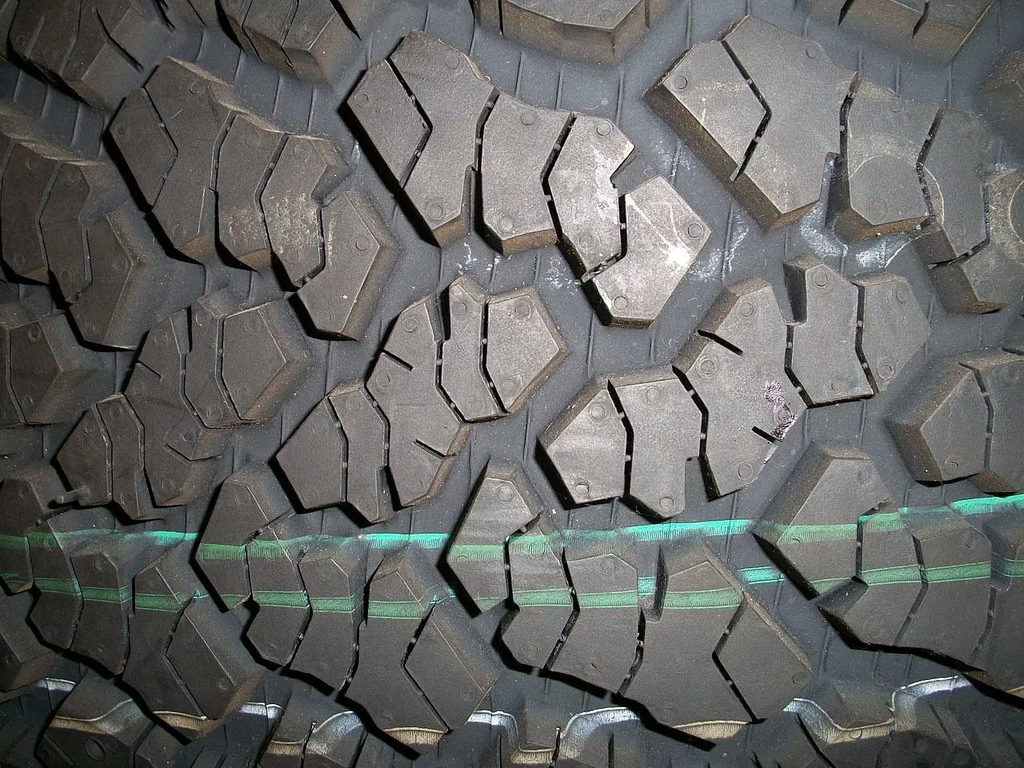
- Explore practical driving tips to maximize safety in slick conditions, such as proper tire maintenance, smooth braking, and adequate following distances.
❓ Frequently Asked Questions
What is skid control and how does it help during slippery conditions?
Skid control detects loss of grip and automatically adjusts braking and engine power to help you maintain control and steer on slick surfaces.
What is ABS and why is it important during hard braking?
ABS prevents wheels from locking up when you brake hard, allowing you to steer while stopping by modulating brake pressure.
What is traction control and how does it work with braking and acceleration?
Traction control helps prevent wheel spin during acceleration by reducing engine power or applying brakes to spinning wheels, improving grip on slippery surfaces.
How do these systems work together to keep you safe?
Skid control, ABS, and traction control work together to maintain stability: skid control manages overall stability, ABS handles braking, and traction control improves traction, often operating automatically.