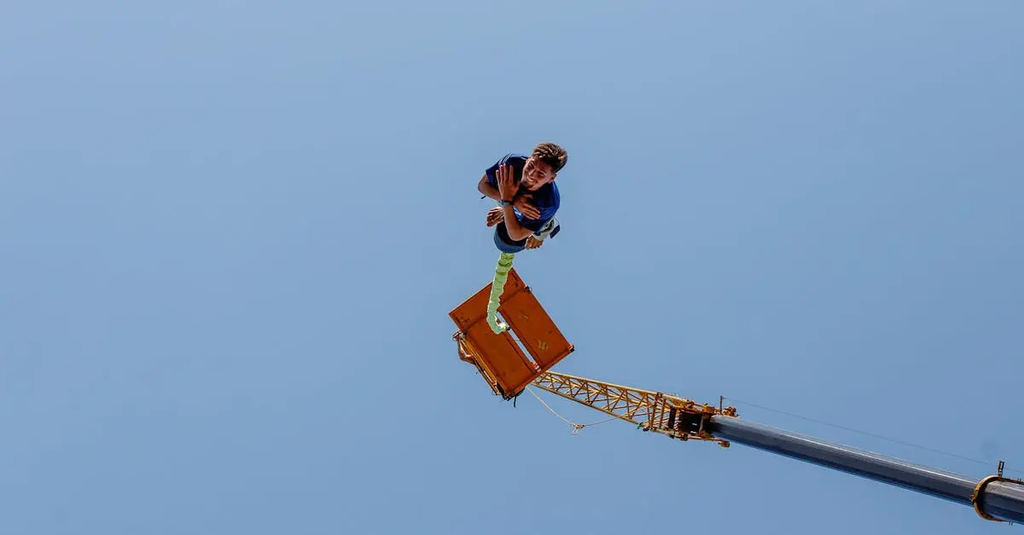
Skydiving and bungee jumping are thrilling adventure sports that involve overcoming the fear of heights and experiencing an adrenaline rush. Skydiving requires jumping from an aircraft and freefalling before deploying a parachute to land safely, while bungee jumping involves leaping from a high platform with an elastic cord attached to the body. Both activities offer a unique sense of freedom, excitement, and exhilaration, attracting thrill-seekers worldwide.
Skydiving and Bungee Jumping+50
Skydiving and bungee jumping are thrilling adventure sports that involve overcoming the fear of heights and experiencing an adrenaline rush. Skydiving requires jumping from an aircraft and freefalling before deploying a parachute to land safely, while bungee jumping involves leaping from a high platform with an elastic cord attached to the body. Both activities offer a unique sense of freedom, excitement, and exhilaration, attracting thrill-seekers worldwide.
💡 Key Takeaways
- Compare skydiving and bungee jumping in method, equipment, and typical sensations.
- Identify the essential safety gear and training required for each sport.
- Explain how fear, adrenaline, and risk perception influence performance and how to manage them.
- Outline the general steps and sequence of events in each activity (pre-briefing, exit, deployment for skydiving; jump, cord tension, rebound for bungee).
❓ Frequently Asked Questions
What is the main difference between skydiving and bungee jumping?
Skydiving involves exiting an aircraft, freefalling, and deploying a parachute to land safely; bungee jumping uses a high platform and an elastic cord that stretches to absorb the fall and then rebounds, without a parachute.
What safety gear is used in skydiving?
A parachute system (main and reserve), an automatic activation device (in many rigs), a helmet and goggles, an altimeter, and a secure harness with proper training.
How does parachute deployment work in skydiving?
At altitude, a pilot chute is deployed to pull out and inflate the main canopy, which you steer with toggles; if the main fails, the reserve parachute can be deployed.
What should I know before trying these activities?
Both are safer when done with licensed operators and trained instructors. Check health and age requirements, weight limits, weather conditions, and safety briefings; beginners often start with a tandem jump in skydiving.