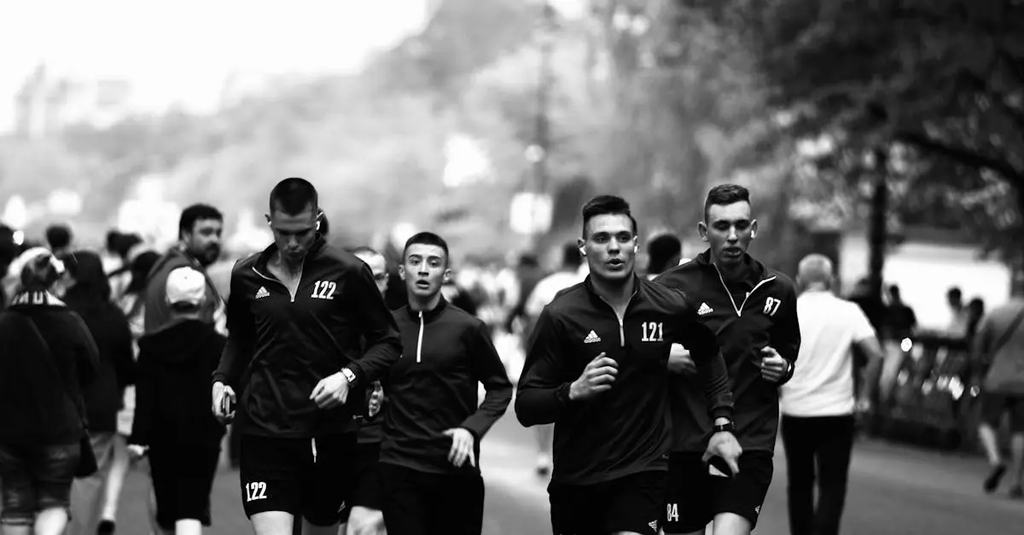
Sleep & Recovery Optimization refers to strategies and practices aimed at enhancing the quality, duration, and effectiveness of sleep to promote better physical and mental recovery. This involves establishing healthy sleep routines, managing stress, optimizing sleep environments, and utilizing techniques such as relaxation exercises or mindfulness. The goal is to maximize restfulness, support the body’s natural healing processes, and improve overall health, performance, and well-being through restorative sleep.
Sleep & Recovery Optimization
Sleep & Recovery Optimization refers to strategies and practices aimed at enhancing the quality, duration, and effectiveness of sleep to promote better physical and mental recovery. This involves establishing healthy sleep routines, managing stress, optimizing sleep environments, and utilizing techniques such as relaxation exercises or mindfulness. The goal is to maximize restfulness, support the body’s natural healing processes, and improve overall health, performance, and well-being through restorative sleep.
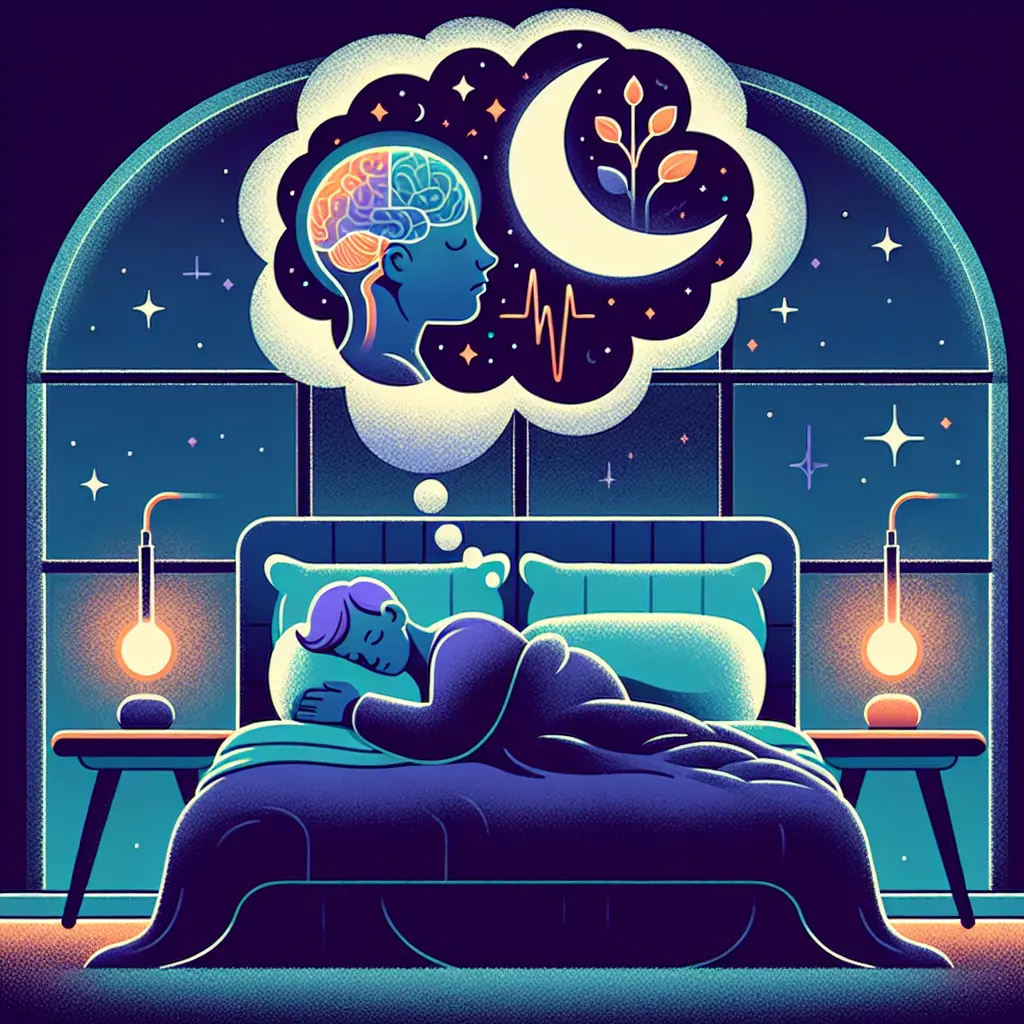
💡 Key Takeaways
- Understand how adequate sleep duration and quality boost athletic performance and mental recovery.
- Learn to build a consistent sleep routine and align bedtimes with your body's circadian rhythm.
- Optimize your sleep environment and pre-sleep habits (dark, cool, quiet room; screens off; wind-down rituals) to improve sleep quality.
- Explore evidence-based recovery strategies and tech aids (timing naps, caffeine management, and sleep tracking) to monitor and enhance recovery.
❓ Frequently Asked Questions
What is Sleep & Recovery Optimization in fitness and sports?
A set of strategies to improve sleep quality and duration, helping the body recover from training and improve performance, including routines, environment, stress management, and nutrition timing.
How much sleep do athletes typically need for optimal recovery?
Most adults need 7-9 hours; athletes often benefit from 8-10 hours, with consistency and individual variation based on training load.
What elements create a sleep-friendly environment?
A dark, cool room (about 60-67°F / 15-19°C), quiet ambiance, a comfortable bed, and minimizing screens or bright light before bed.
How do caffeine, meals, and training timing affect sleep and recovery?
Caffeine late in the day can delay sleep; large or late meals can cause discomfort; intense workouts near bedtime can raise arousal—prefer daytime caffeine and finish training earlier if sleep is problematic.