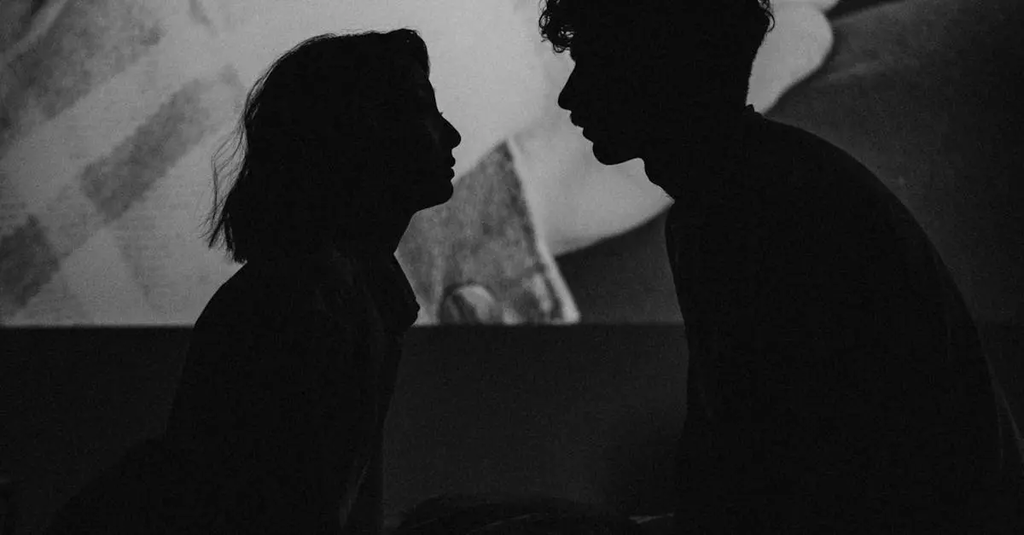
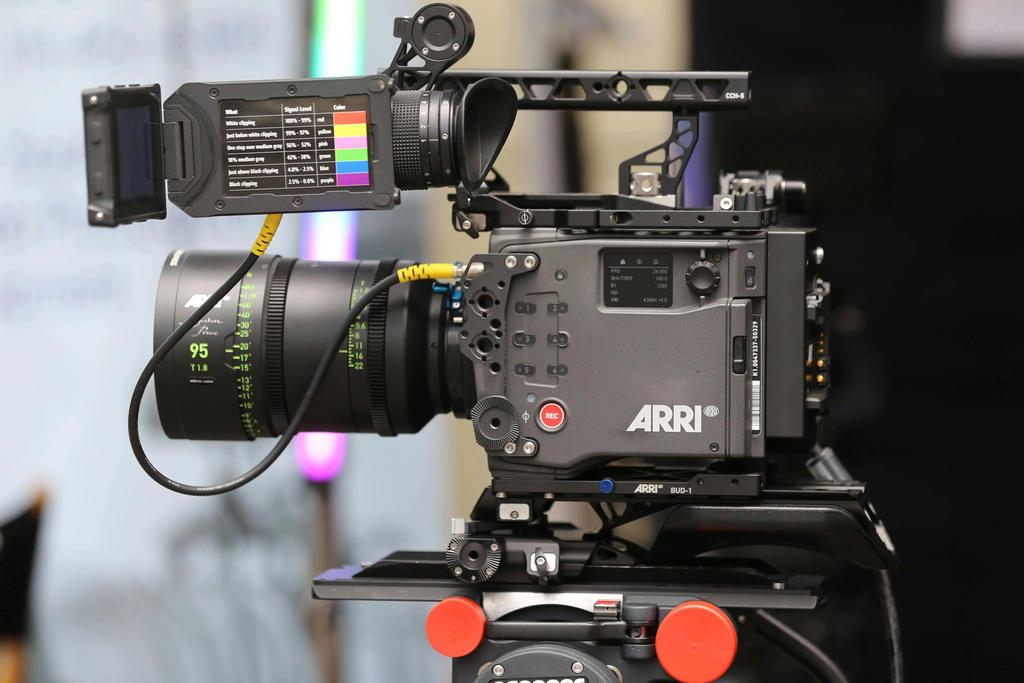
Slow Cinema is a film movement characterized by long takes, minimal dialogue, and deliberate pacing. It emphasizes atmosphere, visual composition, and the passage of time rather than plot-driven narratives. Directors often focus on mundane or everyday moments, inviting viewers to engage deeply and reflectively with the imagery and emotions presented. This style encourages patience and contemplation, offering a meditative cinematic experience that contrasts sharply with mainstream, fast-paced filmmaking.
Slow Cinema
Slow Cinema is a film movement characterized by long takes, minimal dialogue, and deliberate pacing. It emphasizes atmosphere, visual composition, and the passage of time rather than plot-driven narratives. Directors often focus on mundane or everyday moments, inviting viewers to engage deeply and reflectively with the imagery and emotions presented. This style encourages patience and contemplation, offering a meditative cinematic experience that contrasts sharply with mainstream, fast-paced filmmaking.
💡 Key Takeaways
- Identify the defining techniques of Slow Cinema: long takes, minimal dialogue, and deliberate pacing.
- Explain how atmosphere and visual composition convey meaning beyond traditional plot.
- Describe how mundane or everyday moments invite reflection and viewer engagement.
- Analyze how shot duration and pacing shape the audience's perception of time and emotion.
❓ Frequently Asked Questions
What defines Slow Cinema as a movement?
A film movement characterized by long takes, minimal dialogue, and deliberate pacing that emphasizes atmosphere and the passage of time over plot.
What techniques are commonly used in Slow Cinema?
Extended shots, sparse dialogue, naturalistic sound, careful framing, and a focus on mundane, everyday moments.
How should viewers approach watching Slow Cinema?
Be patient and attentive, focusing on visuals, mood, and the rhythm of time between scenes rather than chasing a fast-moving plot.
How does Slow Cinema differ from conventional narrative films?
It prioritizes mood, atmosphere, and visual composition over action or exposition, often with little or no traditional narrative drive.