Small cells and heterogeneous networks refer to advanced telecom infrastructure designed to enhance wireless coverage and capacity. Small cells are low-power cellular nodes that complement traditional macro cells, improving signal strength in dense or hard-to-reach areas. Heterogeneous networks (HetNets) integrate various cell types—macro, micro, pico, and femto—alongside technologies like Wi-Fi, optimizing network performance, reducing congestion, and efficiently managing power and signal distribution across diverse environments.
Small Cells and Heterogeneous Networks
Small cells and heterogeneous networks refer to advanced telecom infrastructure designed to enhance wireless coverage and capacity. Small cells are low-power cellular nodes that complement traditional macro cells, improving signal strength in dense or hard-to-reach areas. Heterogeneous networks (HetNets) integrate various cell types—macro, micro, pico, and femto—alongside technologies like Wi-Fi, optimizing network performance, reducing congestion, and efficiently managing power and signal distribution across diverse environments.
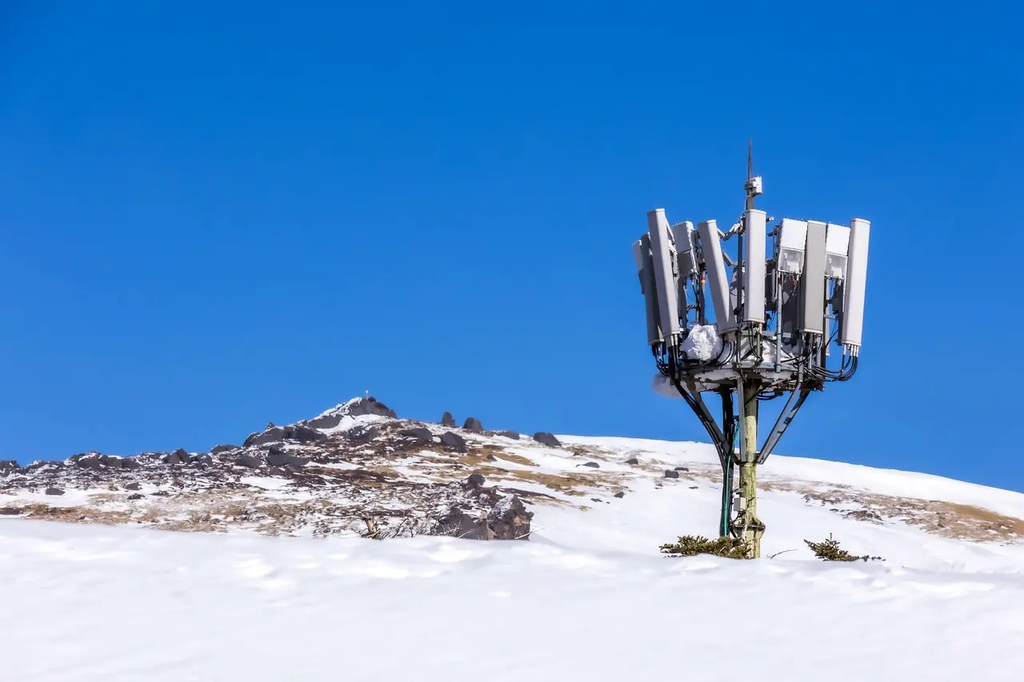
💡 Key Takeaways
- Understand the role of small cells in improving coverage and capacity in dense networks.
- Explain how heterogeneous networks combine macro cells with small cells to enhance performance.
- Identify different small cell types (femtocells, picocells, microcells) and typical deployment scenarios.
- Describe common challenges in HetNets, including interference management, backhaul constraints, and mobility/handover considerations.
❓ Frequently Asked Questions
What are small cells?
Small cells are low-power cellular transmitters that cover small geographic areas (often indoors or in dense urban spots) to boost capacity and fill coverage gaps. They connect to the core network via fiber or wireless backhaul.
What is a heterogeneous network (HetNet)?
A HetNet combines macro cells with various smaller cell types (micro, pico, femto) and sometimes different radio technologies to improve overall capacity, coverage, and user experience.
Why are small cells used in HetNets?
They offload traffic from macrocells, increase capacity in crowded areas, improve indoor coverage, and enable higher data rates by bringing cells closer to users.
What are common deployment challenges for small cells and HetNets?
Challenges include obtaining backhaul connectivity, managing interference between cells, optimizing power usage, coordinating user association and mobility, and handling deployment logistics and network management.