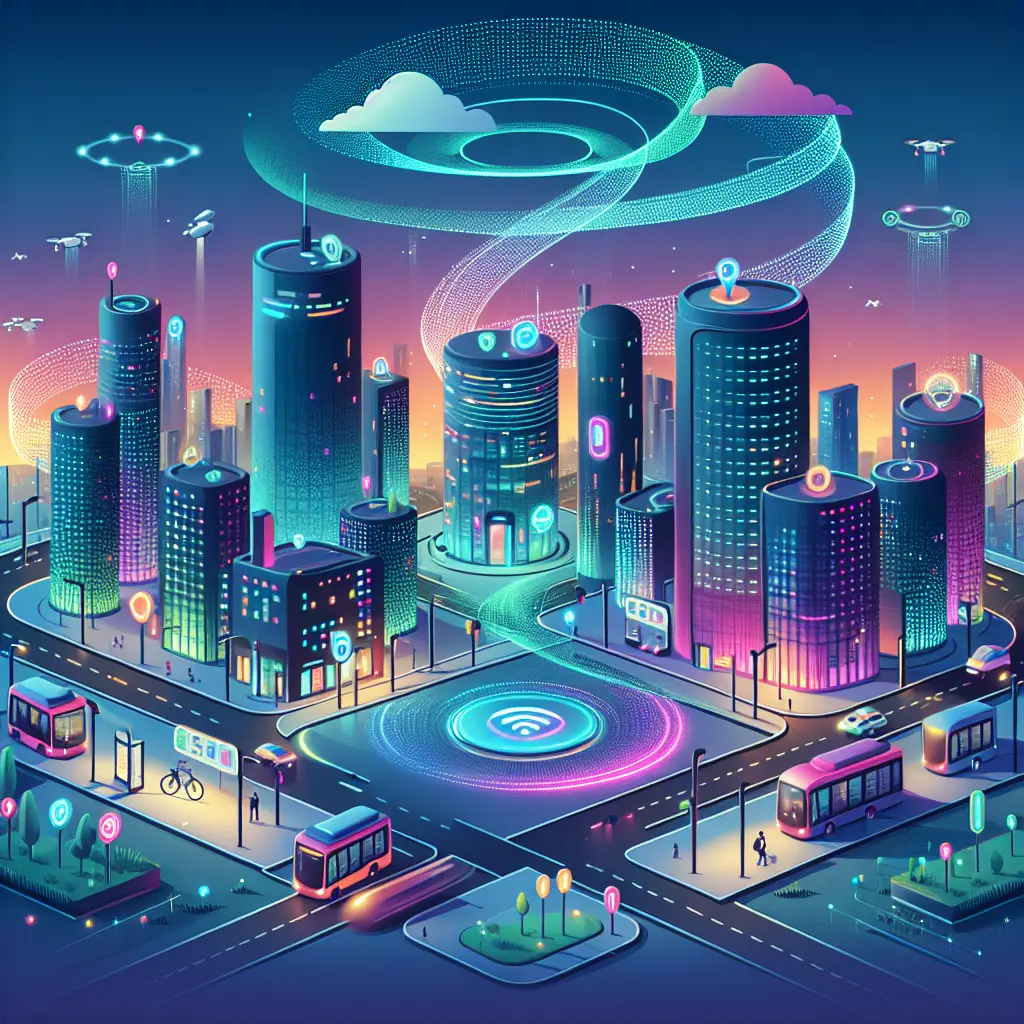
Smart Cities & Ubiquitous Computing refer to urban environments enhanced by pervasive digital technologies. In smart cities, interconnected sensors, devices, and systems collect and analyze data to optimize services like transportation, energy, and public safety. Ubiquitous computing ensures technology is seamlessly embedded in everyday life, enabling real-time communication and automation. Together, they create efficient, sustainable, and responsive urban spaces that improve residents’ quality of life and foster innovation.
Smart Cities & Ubiquitous Computing
Smart Cities & Ubiquitous Computing refer to urban environments enhanced by pervasive digital technologies. In smart cities, interconnected sensors, devices, and systems collect and analyze data to optimize services like transportation, energy, and public safety. Ubiquitous computing ensures technology is seamlessly embedded in everyday life, enabling real-time communication and automation. Together, they create efficient, sustainable, and responsive urban spaces that improve residents’ quality of life and foster innovation.
💡 Key Takeaways
- Understand how sensors, devices, and data analytics in smart cities optimize transportation, energy, and public safety.
- Grasp ubiquitous computing: everyday objects as computing nodes that collect and share data in urban environments.
- Recognize benefits and challenges of smart cities, including privacy, security, equity, and governance considerations.
- Explore sci-fi visions of a cyber future and map those ideas to current trends, ethics, and design implications.
❓ Frequently Asked Questions
What is a smart city?
A city that uses interconnected sensors, devices, and data analytics to optimize services such as transportation, energy, and safety, improving efficiency and quality of life.
What is ubiquitous computing?
A computing approach where technology is embedded into everyday objects and environments, enabling computing power to be available everywhere and often invisibly.
How do smart city sensors improve transportation?
They monitor traffic flow, transit usage, and road conditions to adjust signals, reroute services, and reduce congestion and travel times.
What are common benefits and challenges of smart cities?
Benefits include efficiency, energy savings, and safer, better services; challenges include privacy concerns, cybersecurity, cost, and ensuring equitable access.