Smart energy involves using advanced technologies like smart meters, inverters, and load control systems to optimize electricity consumption and production. Smart meters provide real-time data on energy usage, enabling better management and billing. Inverters convert and regulate power from renewable sources, such as solar panels, for efficient use. Load control systems automatically adjust or shift energy use to balance demand, reduce costs, and enhance grid reliability, contributing to overall energy efficiency.
Smart Energy: Meters, Inverters, and Load Control
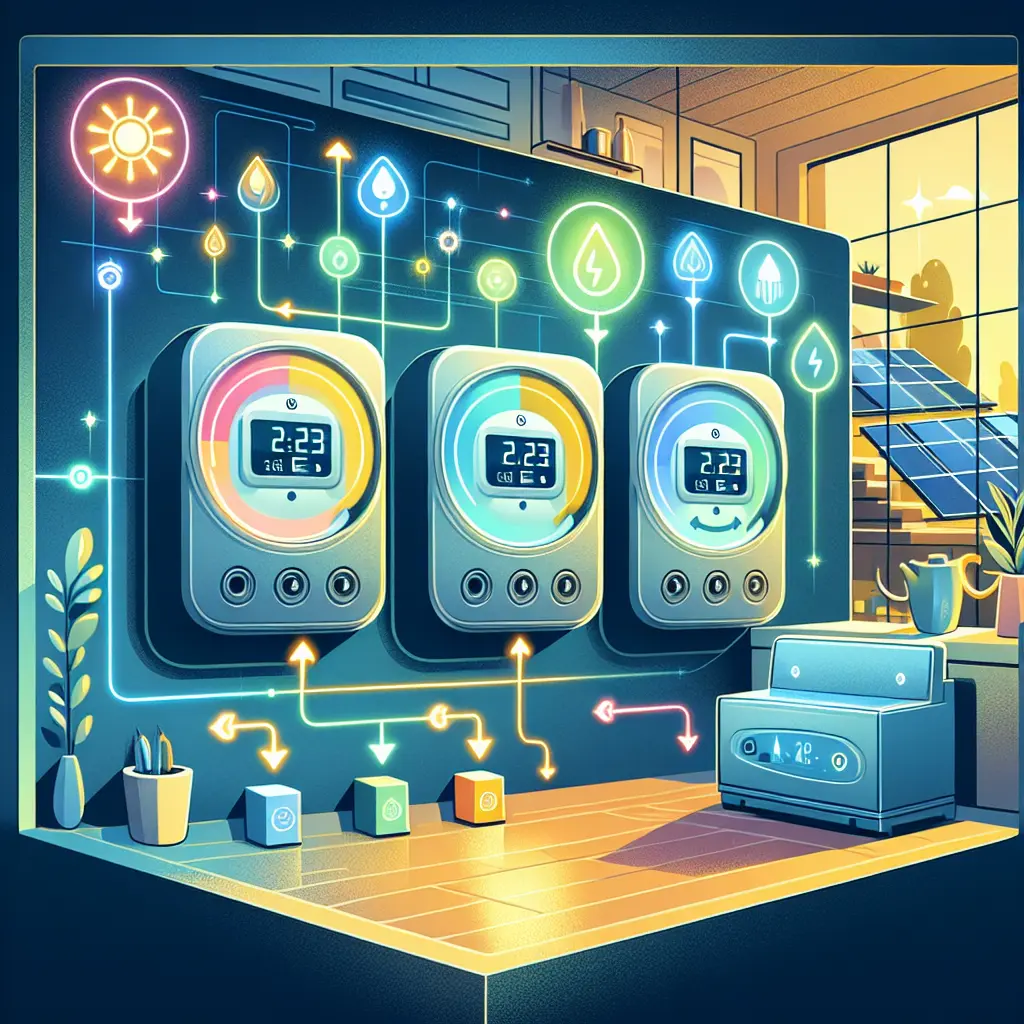
Smart energy involves using advanced technologies like smart meters, inverters, and load control systems to optimize electricity consumption and production. Smart meters provide real-time data on energy usage, enabling better management and billing. Inverters convert and regulate power from renewable sources, such as solar panels, for efficient use. Load control systems automatically adjust or shift energy use to balance demand, reduce costs, and enhance grid reliability, contributing to overall energy efficiency.
💡 Key Takeaways
- Understand how smart meters provide real-time energy usage data and how that data affects billing and energy decisions.
- Explain how home inverters convert renewable energy (DC) to usable AC and regulate its flow to the house and grid.
- Describe load control and demand-response concepts to shift or reduce electricity use during peak periods.
- Identify the overall benefits of smart energy systems for efficiency, cost savings, and better integration of renewables.
❓ Frequently Asked Questions
What is a smart meter and what does it do?
A smart meter records electricity use in near real time, shares data with your utility and you, and supports accurate billing and energy management.
What is an inverter in a home solar system?
An inverter converts the solar panels’ DC power into AC for home appliances and can regulate power flow, sometimes feeding excess energy back to the grid.
What is load control in smart energy?
Load control automatically manages non‑critical devices (like water heaters or thermostats) during peak periods to reduce demand and save energy.
How does real-time energy data help with billing and usage?
Real‑time data reduces estimated bills, supports time‑of‑use pricing, and helps you identify when and how you use electricity to save energy.