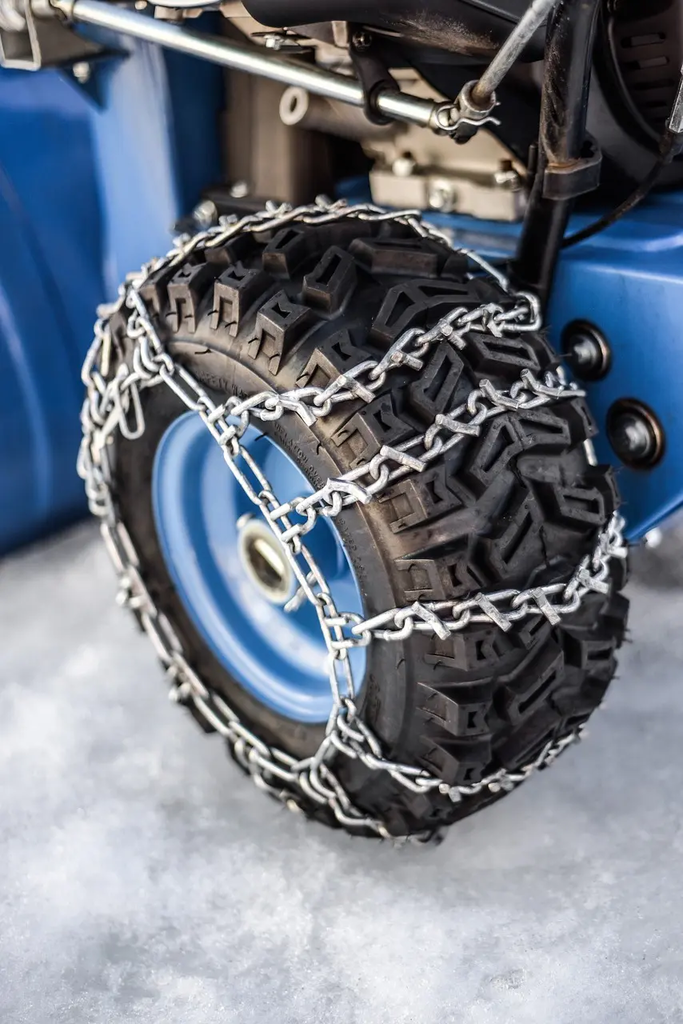
Snow, ice, and tire chains refer to challenging winter driving conditions where roads are covered with snow and ice, making them slippery and hazardous. Tire chains are metal links fitted over vehicle tires to provide extra traction, helping prevent skidding and improving control on icy surfaces. Drivers use tire chains in severe winter weather to enhance safety, maintain grip, and ensure vehicles can navigate treacherous, snow-covered roads more effectively.
Snow, Ice, and Tire Chains
Snow, ice, and tire chains refer to challenging winter driving conditions where roads are covered with snow and ice, making them slippery and hazardous. Tire chains are metal links fitted over vehicle tires to provide extra traction, helping prevent skidding and improving control on icy surfaces. Drivers use tire chains in severe winter weather to enhance safety, maintain grip, and ensure vehicles can navigate treacherous, snow-covered roads more effectively.
💡 Key Takeaways
- Understand how snow and ice affect traction, braking distance, and vehicle handling.
- Learn how tire chains work and when they can improve traction on icy or snowy roads.
- Know safe steps for selecting, installing, and removing tire chains (including fit and legal considerations).
- Apply winter-driving strategies: slow down, increase following distance, and use smooth inputs.
❓ Frequently Asked Questions
What are tire chains and when should I use them?
Tire chains are metal links placed over tires to improve traction on snow and ice. Use them when roads are snow- or ice-covered and local laws allow or require them, especially on steep hills or mountain passes.
How do I install tire chains correctly?
Park on level ground, lay the chains over the tire, connect and tighten per the manufacturer, and drive a short distance to seat them. Install on drive wheels only and follow clearance guidelines to avoid contact with the car body.
What should I do if I start to skid on icy roads?
Stay calm, ease off the accelerator, and avoid hard braking. Steer gently toward your intended path. If you have ABS, brake firmly; if not, pump the brakes to prevent wheel lock.
Are there alternatives to tire chains for winter traction?
Yes. Winter tires with good tread, studded tires where allowed, and other traction aids can help. Check local laws and road conditions, as performance varies and some devices are restricted on certain surfaces.