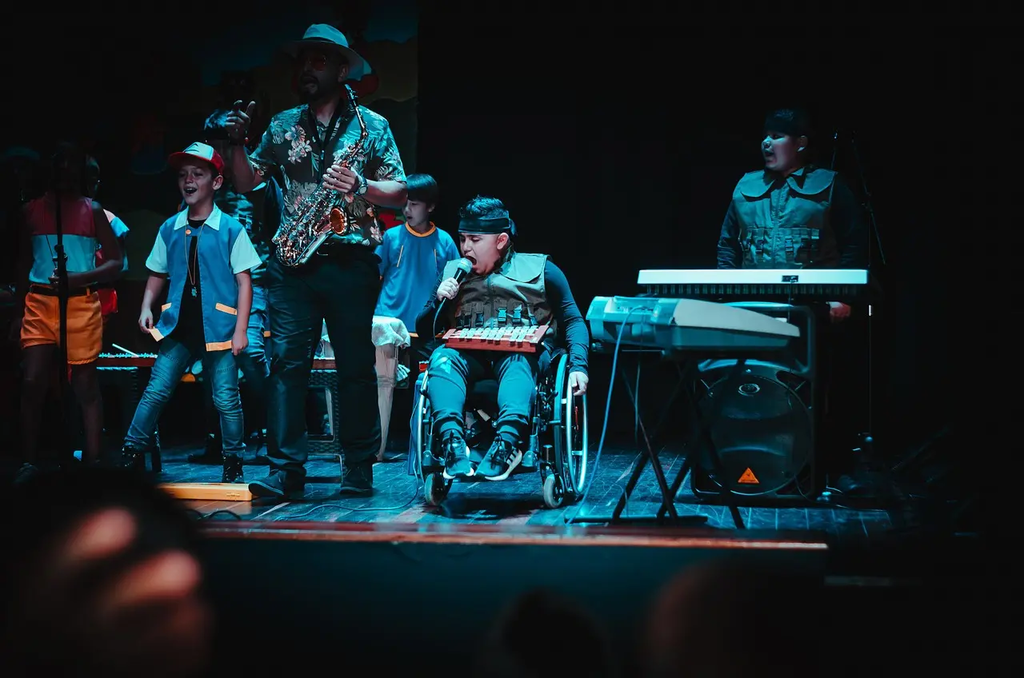
Social play involves children interacting with peers, learning to share, take turns, and follow rules. Initially, children engage in parallel play, playing side by side without direct interaction. As they grow, they progress to cooperative play, collaborating, negotiating roles, and working towards common goals. These stages foster communication, empathy, and problem-solving skills, essential for healthy social and emotional development during early childhood.
Social play, sharing, and parallel to cooperative play
Social play involves children interacting with peers, learning to share, take turns, and follow rules. Initially, children engage in parallel play, playing side by side without direct interaction. As they grow, they progress to cooperative play, collaborating, negotiating roles, and working towards common goals. These stages foster communication, empathy, and problem-solving skills, essential for healthy social and emotional development during early childhood.

💡 Key Takeaways
- Distinguish social play, parallel play, and cooperative play, and understand why each matters in early development.
- Explain how sharing emerges and supports social skills like turn-taking, negotiation, and empathy.
- Describe how children transition from parallel play to cooperative play as communication and collaboration skills grow.
- Identify signs of growing social play abilities and practical strategies for caregivers and educators to support development.
❓ Frequently Asked Questions
What is parallel play, and how does it differ from cooperative play?
Parallel play is when children play side-by-side with similar toys but with little direct interaction. Cooperative play involves shared goals, roles, and active collaboration with others.
How does sharing relate to social play in early childhood?
Sharing is a key social skill that develops during social play. It involves taking turns, giving, and considering others’ needs, helping build prosocial behavior.
At what ages do parallel and cooperative play typically emerge?
Parallel play commonly appears around age 2. Cooperative and more advanced social play emerge around ages 3–4 and become more common through early schooling.
Why is parallel play considered a normal developmental stage?
It allows children to observe peers, practice language and social cues, and gradually learn interaction, paving the way for more interactive (cooperative) play later.