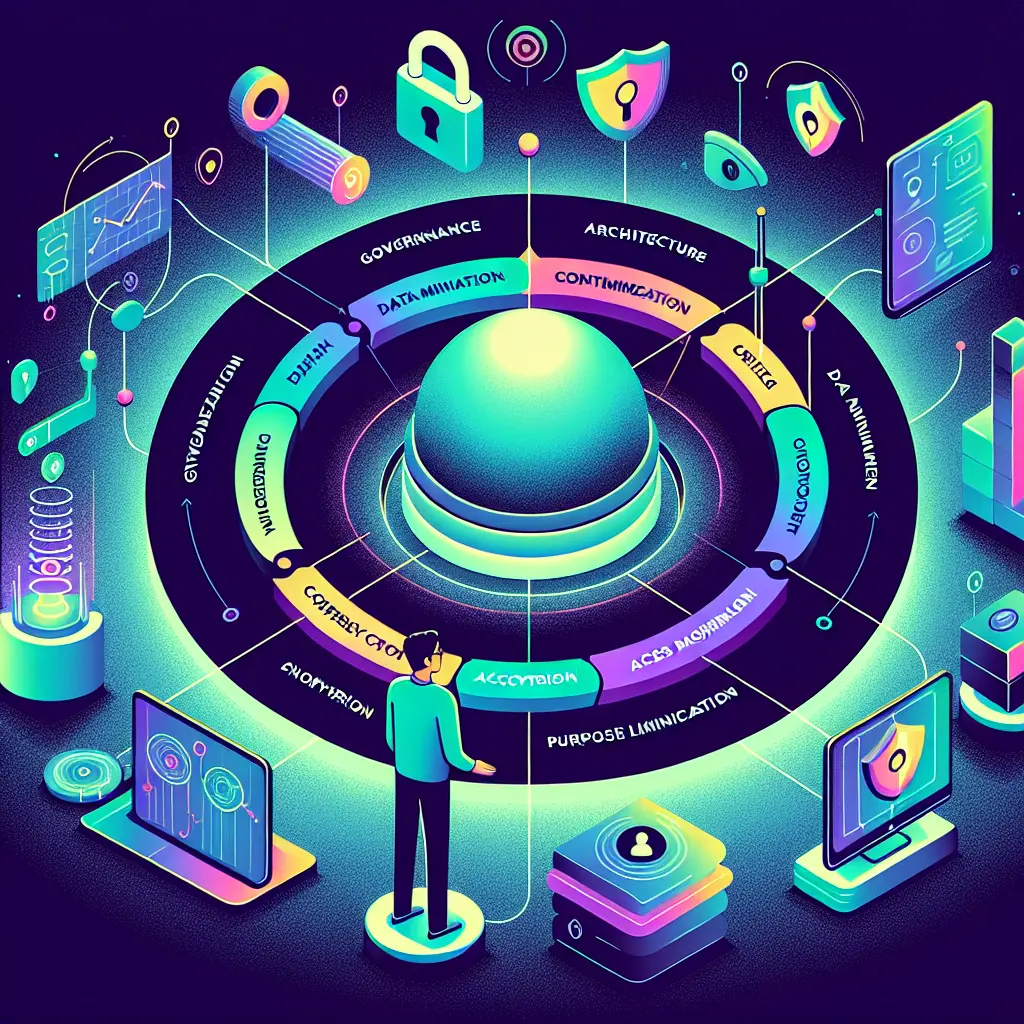
Socio-technical risk identification is the process of recognizing potential threats that arise from the interaction between social factors (like people, culture, and organizational structures) and technical elements (such as software, hardware, and processes) within a system. This approach considers not only technical vulnerabilities but also human behaviors and organizational dynamics, aiming to provide a comprehensive understanding of risks that could impact the effectiveness, security, or safety of complex systems.
Socio-technical risk identification
Socio-technical risk identification is the process of recognizing potential threats that arise from the interaction between social factors (like people, culture, and organizational structures) and technical elements (such as software, hardware, and processes) within a system. This approach considers not only technical vulnerabilities but also human behaviors and organizational dynamics, aiming to provide a comprehensive understanding of risks that could impact the effectiveness, security, or safety of complex systems.
💡 Key Takeaways
- Understand how human, organizational, and cultural factors interact with software, hardware, and processes to create AI-related risks.
- Identify data concerns in AI systems, including privacy, bias, data quality, provenance, and governance.
- Learn methods to map socio-technical risk by linking stakeholders, workflows, and technical components to surface vulnerabilities.
- Explore practical mitigation strategies such as governance, transparency, auditing, and ongoing monitoring to reduce socio-technical risk.
❓ Frequently Asked Questions
What is socio-technical risk identification?
It is the process of spotting threats that come from the interaction between social factors (people, culture, organizational structures) and technical elements (software, hardware, data, processes) within a system, especially in AI deployments.
Why is socio-technical risk important in AI risk identification and data concerns?
AI relies on data and human workflows. Risks arise from biased or low-quality data, privacy issues, governance gaps, and misaligned incentives that only appear when social and technical parts interact.
What are common sources of risk in socio-technical AI systems?
Data quality and privacy, bias and fairness, governance and accountability gaps, model deployment and monitoring, security vulnerabilities, organizational culture, roles and responsibilities, and change management.
How can organizations identify and mitigate these risks?
Map stakeholders and workflows, trace data lineage, conduct threat modeling that includes human factors, establish governance policies, implement monitoring, perform audits, and provide training and incident response planning.