Socioeconomic inequalities and regional disparities in the UK refer to the uneven distribution of wealth, resources, and opportunities across different social groups and geographic areas. These disparities manifest in income, employment, education, health, and living standards, often resulting in significant differences between regions such as the prosperous South East and the less affluent North. Addressing these imbalances is a key policy challenge for promoting social cohesion and economic growth nationwide.
Socioeconomic inequalities and regional disparities in the UK
Socioeconomic inequalities and regional disparities in the UK refer to the uneven distribution of wealth, resources, and opportunities across different social groups and geographic areas. These disparities manifest in income, employment, education, health, and living standards, often resulting in significant differences between regions such as the prosperous South East and the less affluent North. Addressing these imbalances is a key policy challenge for promoting social cohesion and economic growth nationwide.
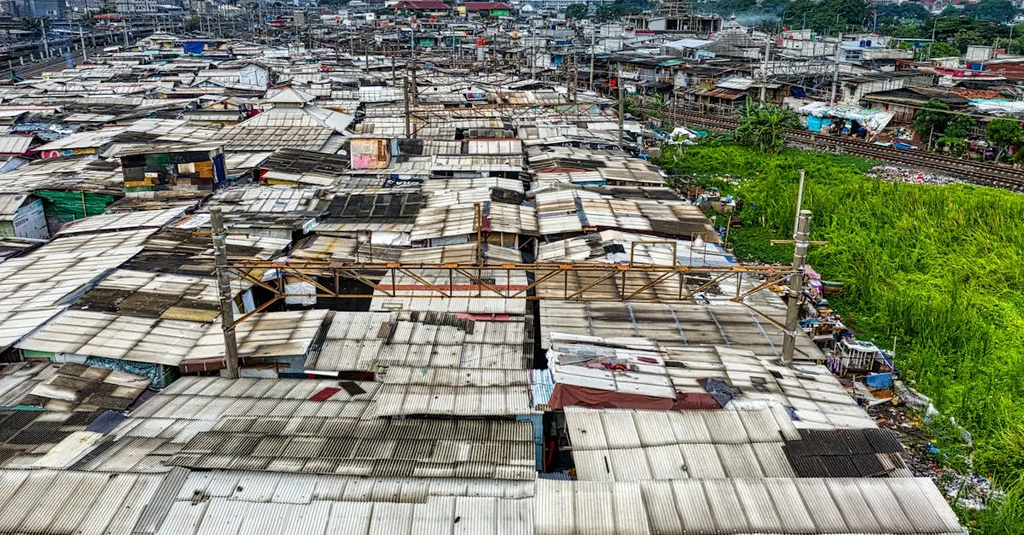
💡 Key Takeaways
- Define socioeconomic inequalities and regional disparities in the UK and how researchers measure them.
- Identify key indicators (income, employment, education, health, and living standards) used to capture inequality.
- Explain regional patterns in the UK (e.g., North–South divide, urban vs rural differences) and the factors driving them.
- Assess policy responses and regional development strategies aimed at reducing disparities across the UK.
❓ Frequently Asked Questions
What are socioeconomic inequalities?
Socioeconomic inequalities are differences in wealth, income, education, health, and living standards between social groups and across geographic areas.
What regions show the strongest disparities in the UK?
Disparities are often largest between parts of the North of England, the Midlands, Wales and Scotland and more affluent areas in London and the South East, with variation within regions.
What indicators are used to measure regional disparities in the UK?
Common indicators include income per capita, unemployment, educational attainment, health outcomes (e.g., life expectancy), housing quality, and composite measures like the Index of Multiple Deprivation.
How do policymakers address regional inequalities?
Policies such as the Levelling Up agenda, targeted investment in infrastructure, skills and education, healthcare, and regional development programs aim to improve opportunities and living standards in lagging areas.